How to Safely Buy Event Tickets on Your Phone (Guide)
May 29, 2025
What to Do If Your Concert or Broadway Show Gets Rescheduled
May 29, 2025Are “Only 3 Tickets Left” Real? Ticket Scarcity Explained
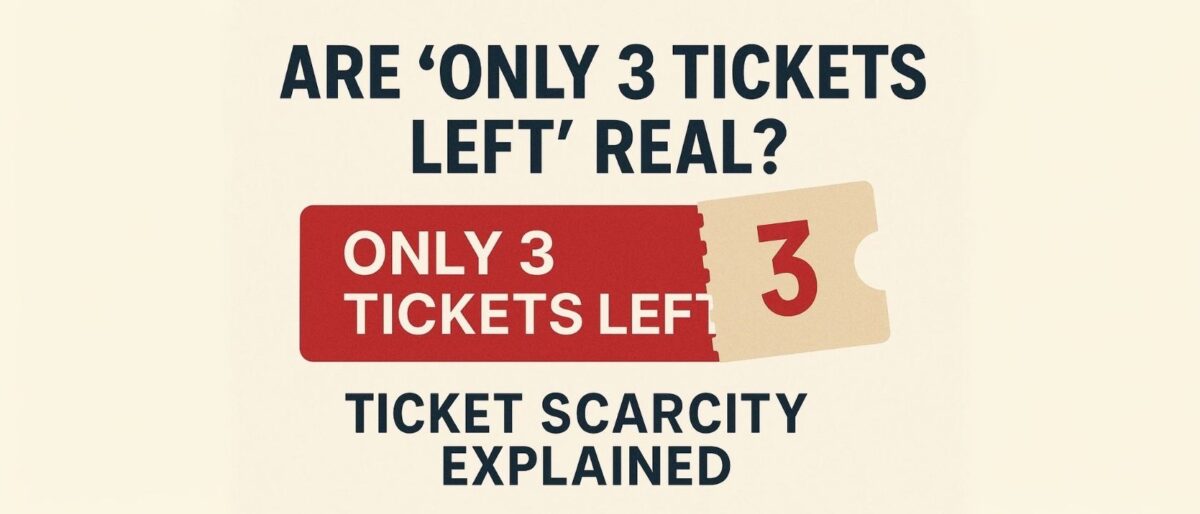
“Only 3 tickets left!”—we’ve all seen the flashing red text, and suddenly it feels like a race. But is the panic real or just clever marketing? In this guide, I’ll break down the truth behind ticket scarcity alerts and help you shop smarter, without falling for every pressure tactic.
Target Audience
If you’ve ever been lured by a flashing red banner that screams “Only 3 Tickets Left!”—you’re not alone. This section’s for concert junkies, die-hard sports fans, and Broadway buffs who live for live events but hate being hustled. Whether you’re booking Beyoncé or Hamilton, this guide is for you if:
- You buy tickets online and want to avoid being tricked by urgency-based marketing tactics.
- You’ve wondered if scarcity messages are real or just smart sales psychology.
- You like to compare seats, prices, and platforms—not rush through checkout like it’s Black Friday at 5 a.m.
It’s also for curious consumers who want to understand how digital urgency works and whether you’re being nudged… or nudged a little too hard. If you’ve ever hesitated over the “Buy Now” button with sweaty palms and FOMO breathing down your neck—yep, this one’s got your name all over it.
Article Goal
The aim of this article is to pull back the curtain on the flashing “Few Left!” warnings and breathless countdowns we all see when buying tickets online. What’s hype, and what’s happening behind the scenes?
- Explain the use of scarcity language in ticketing—how phrases like “Only 2 seats left at this price!” are designed to trigger urgency and FOMO (Fear Of Missing Out).
- Differentiate between real-time inventory alerts and psychological nudges created by marketing algorithms or third-party platforms.
- Empower you to slow down and shop smart—knowing when to act fast, and when you’ve got more wiggle room than the website lets on.
By the end, you’ll walk away with the clarity to make decisions based on facts—not flashing banners or countdown clocks. Because buying a ticket should feel exciting, not like you’re defusing a bomb.
What Does “Only 3 Left” Really Mean?

Let’s clear something up: when you see “Only 3 Tickets Left” flashing on your screen, it doesn’t mean the whole arena or theater is down to its last three seats. More often than not, that number comes with a whole lot of fine print.
According to platforms like Ticketmaster, AXS, and StubHub, this alert typically refers to a specific ticket listing, price tier, or section—not the entire event. So if you’re viewing “Section 106, Row M” and it says “Only 2 Left,” it likely means there are just two seats left at that price point or from that individual seller.
Here’s the trick: some platforms break inventory down into micro-categories. That “Only 3” could mean:
- 3 tickets at that exact price level
- 3 seats together in that section
- 3 tickets listed by one seller—while hundreds of others are still available
Bottom line? The urgency is often exaggerated. Yes, tickets can go fast. But that blinking warning may be more marketing psychology than genuine scarcity. Don’t let it force your hand unless you’re already convinced it’s the right time to buy.
The Psychology of Scarcity
Why does “Only 3 Tickets Left!” make your heart skip a beat and your finger race to click “Buy Now”? It’s not just you—it’s psychology at play. Specifically, the powerful grip of FOMO: Fear of Missing Out.
Scarcity messaging triggers urgency. It flips the switch in your brain that says, “Act now or regret it later.” And it’s not exclusive to concert tickets. Airlines flash “1 seat left at this price.” Hotels warn, “Only 2 rooms left!” It’s the same emotional lever pulled across industries—and it works.
Here’s how:
- Loss aversion: We’re more afraid of losing a deal than excited to gain one.
- Social proof: If others are snapping up tickets, we assume they must be worth it.
- Decision shortcuts: Under pressure, we rely on quick cues rather than thoughtful research.
Even if there’s no actual rush, the sense of countdown can cloud judgment. Suddenly, you’re less focused on seat location or price—and more on not being left out.
So the next time scarcity sets off your internal siren, pause. Ask: is it really the last chance—or just the loudest sales pitch?
Are These Alerts Always Real?

So… is “Only 3 tickets left!” a real warning or just smoke and mirrors? The answer lies somewhere in the middle. Sometimes it’s legit. Sometimes it’s marketing theater.
Yes, sometimes it’s real: Smaller venues, limited VIP packages, or highly specific seating sections may genuinely be down to the last few. If you’re trying to grab front-row seats at an intimate Broadway house or a special meet-and-greet upgrade, you might really be seeing the final few options.
No, often it’s not: In large arenas, amphitheaters, or festivals, those “Only X Left” alerts can be misleading. Especially for general admission tickets where hundreds—if not thousands—might still be available. It might refer to just one reseller’s listing, not the entire inventory.
Behind the scenes, many platforms use automated scarcity algorithms. Once availability dips below a certain threshold—say, 5% of a section—it triggers urgency messages. These don’t always reflect real-time availability across the board but are designed to nudge indecisive buyers into action.
In short: sometimes it’s true. Sometimes it’s strategy. Know the difference, and you’ll shop smarter and stress less.
Platform Practices: Who Does What?
Not all ticket platforms play by the same rules when flashing those urgent alerts. Some are straightforward, others—well, they blur the lines a bit. Here’s how the major players handle “Only X Left” messages, and what you should know before biting the bait.
Ticketmaster is generally more transparent. When they say “Only 3 tickets left,” it often reflects real-time inventory on their end. However, they may still limit how many tickets you can view or buy at once, and that alert might be tied to a specific section or price tier, not the entire venue.
StubHub and SeatGeek are resale marketplaces, meaning you’re seeing listings from individual sellers. If it says “Only 2 left,” it likely means that one person is selling just two tickets—not that there are only two left for the whole show. The urgency here is about that specific pair, not overall supply.
Primary vs. resale platforms: This matters. Primary sellers (like AXS or the venue’s official site) control the entire inventory and are typically more reliable. Resale sites, on the other hand, reflect fragmented listings. So scarcity can be more about a seller’s personal stash than actual event availability.
The bottom line? Treat alerts differently depending on where you’re shopping—and don’t let panic clicks drain your wallet.
How to Check Actual Ticket Availability
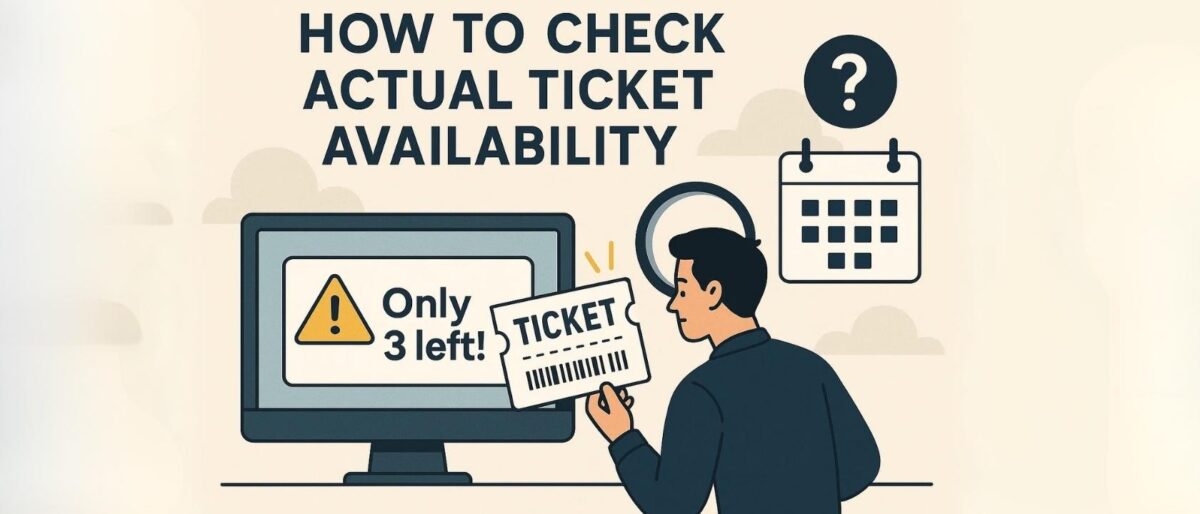
Before falling headfirst into a digital panic over “Only 3 left!”, take a breath—and do a little sleuthing. That scarcity warning might be more smoke than fire. Here’s how to get the real story behind ticket availability.
Use the venue’s official seating map. Most primary sellers like Ticketmaster and AXS offer interactive seat maps. These aren’t just pretty graphics—they’re your best friend. Zoom in to see which sections still have seats and how many are open. If entire rows are available, that “3 left” alert might just be for a specific price point or section.
Check multiple ticketing platforms. One site’s “last chance” might be another’s “plenty to go around.” Look at Ticketmaster, SeatGeek, StubHub, and the venue’s official site. This comparison shopping takes just a few clicks but could save you cash—and anxiety.
Browse less popular dates and times. Especially for Broadway shows or multi-day events, matinees or weeknights usually have more availability. You might find better prices and more options, minus the high-pressure tactics.
Knowledge is power—and in this case, peace of mind. Don’t let digital drama dictate your purchase.
Red Flags to Watch Out For
When you’re buying tickets online and suddenly a bold red banner screams “Only 2 left at this price!”—pause. Not every urgency alert is legit. Some are smoke signals for shady sellers or slick marketing moves. Here’s how to spot the warning signs before you click “Buy Now.”
Flashy “only a few left” pop-ups with no seat map should make you think twice. If a platform won’t let you view the actual seats available or forces you into a generic “best available” option, that’s a transparency issue. Real scarcity should show real data.
No option to choose your section is another red flag. Legitimate ticketing platforms usually let you select your zone, price range, or specific seats. If you’re being rushed to a checkout without any say—walk away. You’re not buying a mystery box.
Shady resellers with poor site design or bad reviews are a classic trap. Janky graphics, weird URLs, and typos are dead giveaways. Always Google the site’s name with “scam” or “reviews” before trusting them with your card. If it feels sketchy, it probably is.
Trust your gut—and your browser. Real deals don’t need neon warnings and pressure tactics to sell out.
Tips for Smart Buyers
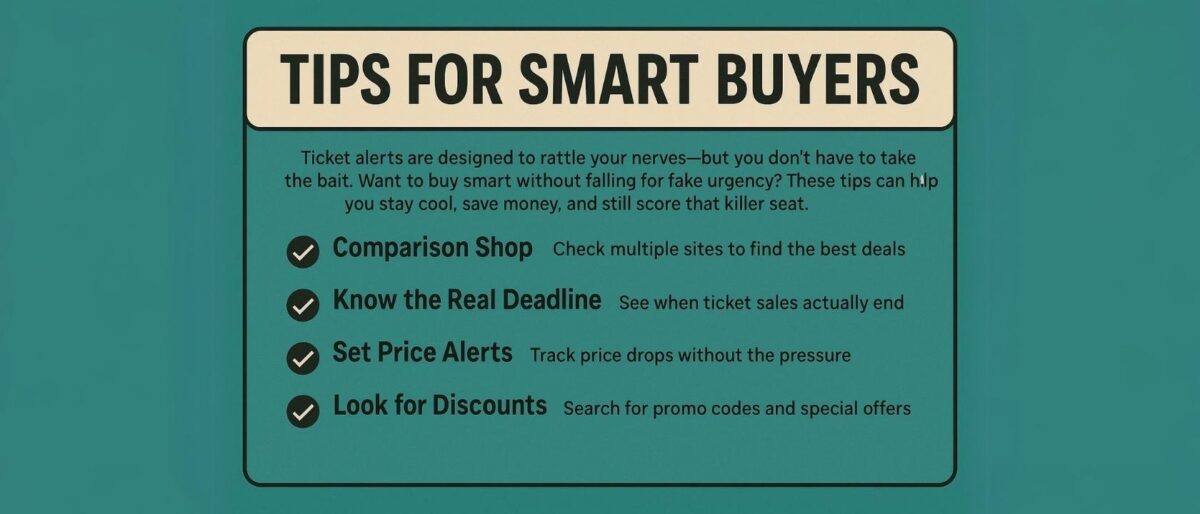
Ticket alerts are designed to rattle your nerves—but you don’t have to take the bait. Want to buy smart without falling for fake urgency? These tips can help you stay cool, save money, and still score that killer seat.
Don’t panic-buy. If your mouse is hovering over “Confirm Purchase” with shaky hands, it’s time to pause. Take one to two minutes to double-check the event details, the seating section, and the total cost (including those sneaky fees). A rushed decision now can mean major regret later.
Refresh the page and compare. If you see a scarcity warning, reload the ticketing page or try browsing in incognito mode. Often, availability magically increases—or pricing suddenly looks more reasonable. It’s not magic; it’s marketing psychology being exposed.
Join presales and fan clubs. Want to avoid last-minute stress entirely? Sign up for artist newsletters, venue alerts, or credit card promotions that offer presale access. You’ll get first dibs without the digital stampede. And yes, it’s often free to join.
Smart buying isn’t just about saving money—it’s about staying in control. Let hype be hype. You’re here for the music, the moment, and maybe the merch… not the manipulation.
When Scarcity Alerts Can Be Helpful
Not all “Only 3 Left!” messages are smoke and mirrors—sometimes, they’re actually doing you a favor. In a few cases, scarcity alerts are your heads-up to act fast before the curtain rises… without you in the audience.
Highly anticipated shows often sell out in waves. Think Beyoncé stadium tours, Taylor Swift Eras tickets, or opening nights on Broadway. In these scenarios, scarcity alerts might reflect real-time seat grabs. If you’ve been holding off, that nudge could be the difference between a front-row memory and a livestream from home.
Then there’s the small venue factor. Indie concerts in intimate clubs or regional theaters don’t have a 20,000-seat cushion. Limited capacity means fewer tickets overall—and fewer second chances. If you see “Only 1 Left” for your favorite band at a 300-seat venue? Believe it.
Finally, timing matters. Some ticketing platforms issue last-call alerts an hour before sales close or just before the box office shuts down. These warnings can be helpful if you’re a last-minute planner skating close to showtime.
In short, context is key. Scarcity isn’t always a scam. But knowing when it’s real—and when it’s marketing—is your ultimate ticket to smart decisions.
Conclusion: Urgency vs Reality
“Only 3 tickets left!” might sound like a red-alert siren, but in many cases, it’s more like a car alarm that won’t stop blaring. These alerts walk a fine line between helpful hint and manipulative marketing. The trick? Knowing which side of the line you’re standing on.
When should you believe the hype? If it’s a hot-ticket act, a small venue, or a specific VIP section, scarcity can be legit—and waiting might mean missing out. But for general admission shows, massive stadium tours, or events with multiple listings across platforms, take a beat. Breathe. And refresh.
The best buying decisions are made with your head, not your heart rate. Stay calm, stay sharp, and make purchases on your terms, not on a timer someone else set. The seat you want is important—but so is your peace of mind.
Because the real FOMO? It’s not about missing a ticket—it’s about letting pressure override your good instincts. So next time you see “Only 3 Left,” remember: you’ve got the power to decide what’s real.