What Happens If a Concert or Show Is Canceled? Refund Guide
June 2, 2025
The Best Seats at a Concert: Pit, GA, or VIP?
June 2, 202520 Facts You Didn’t Know About Ticketmaster
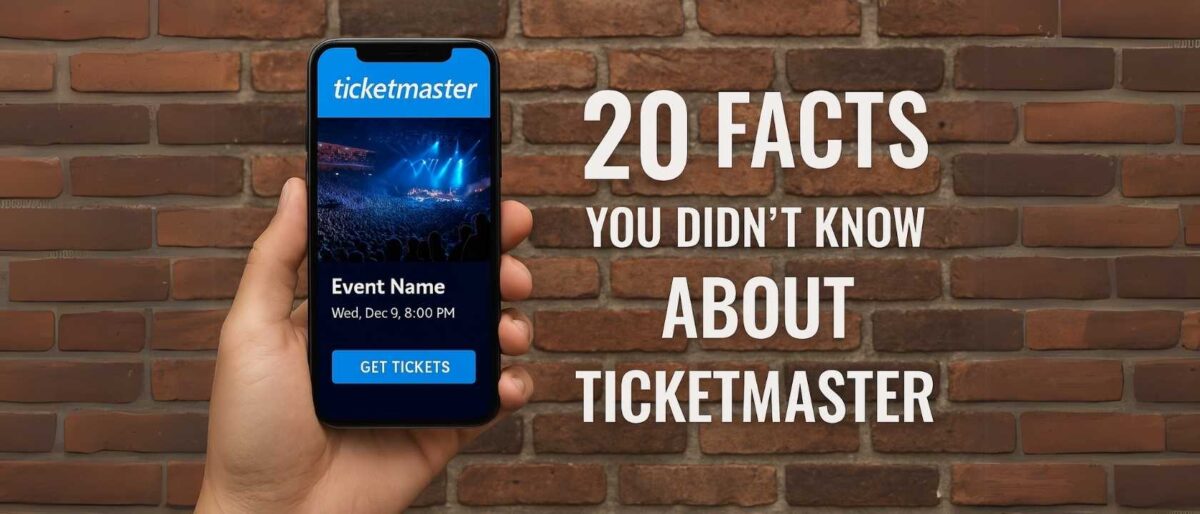
You know the spinning blue queue. You’ve muttered curses at those “convenience” fees. But Ticketmaster’s story goes way beyond screen rage. From tech takeovers to secret workarounds, I’ve rounded up 20 facts that’ll make you rethink the whole ticketing game—and maybe even help you beat it next time.
The Origin Story and Early Years
Perfect! Let’s kick things off with the first 5 Ticketmaster facts, written as individual paragraphs in a casual, engaging style with HTML tags for structure. Each fact offers a nugget of surprise, story, or insight—true to your style rules.
1. Ticketmaster Was Born in 1976—Before the Internet Was Even a Thing
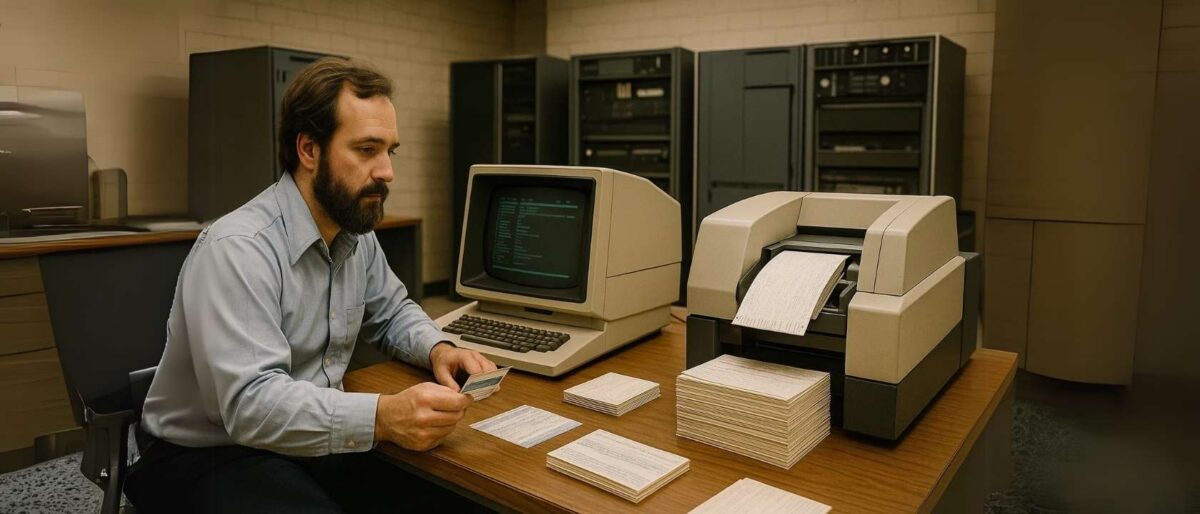
Yep, you read that right. Ticketmaster didn’t start in the digital age—it started in the disco era. Founded in 1976 by a group of computer scientists and entrepreneurs, the company’s original mission wasn’t to take over your inbox or frustrate you with queues. It was to help venues automate ticket sales using computers—back when that meant punch cards, not push notifications.
2. Its First Big Break Was Selling Software, Not Tickets
Before it became a household name, Ticketmaster wasn’t selling tickets to fans—it was selling ticketing software to venues. The idea? Give theaters, stadiums, and arenas the tools to manage their own inventory. It wasn’t sexy, but it was smart. By putting the power in venues’ hands, Ticketmaster quietly laid the groundwork for industry domination—one server room at a time.
3. It Started in Arizona, Not a Big Tech Hub
Most people assume Ticketmaster came out of L.A., New York, or Silicon Valley. Surprise—it was born in Phoenix, Arizona. The original team was far more interested in efficiency than glamor, focusing on data systems and hardware setups rather than red carpets or backstage passes. Who knew one of the biggest names in live entertainment came from the desert?
4. It Beat Out Ticketron in a True Corporate Showdown
In the early ‘80s, Ticketron was the big dog in town. But Ticketmaster slowly and methodically edged them out—signing venue after venue, improving customer access, and innovating behind the scenes. By the late ’80s, Ticketmaster had sealed its fate as the dominant ticketing force, while Ticketron went the way of floppy disks and Blockbuster.
5. By the Early ’90s, Ticketmaster Had a Lock on the Industry
Thanks to exclusive contracts and aggressive expansion, Ticketmaster became the go-to name for venues across the U.S. By the time the ‘90s rolled in with boy bands and flannel shirts, Ticketmaster was handling millions of ticket sales annually. It wasn’t just another option—it was the option. And, well… it still kind of is.
Digital Domination & Features You Might Miss
6. Ticketmaster Went Online in 1996—and It Changed Everything
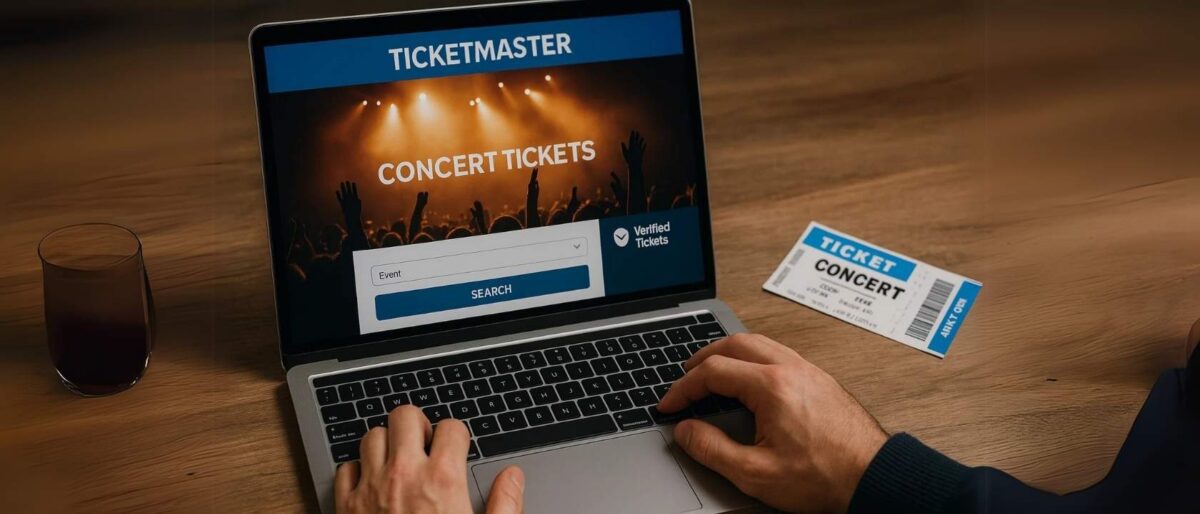
Long before apps and QR codes, Ticketmaster made its online debut in 1996. Suddenly, fans could snag seats from their living rooms—no phone calls, no box office trips, just a dial-up modem and a dream. It was a game-changer. Within a few years, online sales became the backbone of their empire.
7. That “Service Fee” Isn’t All Theirs
Everyone loves to hate Ticketmaster’s infamous fees. But here’s the twist: many of those fees don’t go to Ticketmaster at all. Venues, promoters, even artists sometimes bake their own cuts into those extra charges. Ticketmaster just collects it—and yes, they take heat for it. Think of them as the middleman with a very unpopular job.
8. They Offer “Verified Fan” Sales—With Mixed Results
To fight bots and scalpers, Ticketmaster launched Verified Fan presales. It sounds like a good idea—you register in advance, Ticketmaster checks you’re a real human, and if you’re lucky, you get a presale code. But the reality? It’s kind of a lottery in disguise. Some fans love it. Others, not so much.
9. Ticketmaster Is Now Part of Live Nation
In 2010, Ticketmaster merged with Live Nation, the world’s largest concert promoter. The move shook the live entertainment industry. Suddenly, one company handled everything from tour planning and promotion to ticket sales. Critics called it a monopoly. Fans called it frustrating. But the merger stuck—and it’s still one of the biggest power plays in entertainment history.
10. They’ve Dabbled in Dynamic Pricing—Like Airlines
Ticketmaster doesn’t just list a price and walk away. With dynamic pricing, ticket costs fluctuate based on demand—just like airline seats. That’s why you might see tickets for $80 one minute, then $400 the next. It’s all algorithmic, all real-time, and often totally maddening for fans chasing fair prices.
Controversies, Criticism & Courtrooms
11. They’ve Faced Congressional Hearings
Yep, Ticketmaster has made it all the way to Capitol Hill. After the infamous Taylor Swift Eras Tour ticketing meltdown, lawmakers grilled Ticketmaster over website crashes, massive wait times, and unfair pricing. The hearing sparked nationwide conversations about antitrust laws, monopolies, and whether one company should control so much of the live event pipeline.
12. Bots Are Their Biggest Enemy—and Frenemy
Automated ticket-buying bots are a plague on the ticketing world. Ticketmaster says it blocks over 17 billion bot attempts per year. Still, scalpers keep slipping through, scooping up tickets before fans even get a chance. It’s a digital arms race—one Ticketmaster hasn’t fully won, no matter how slick their systems look.
13. Their Mobile App Tracks Your Every Move
The Ticketmaster app isn’t just your digital wallet—it’s a data magnet. It can track your location, browsing habits, and purchasing history. Why? To personalize offers and stop fraud, allegedly. But some privacy-conscious fans aren’t thrilled to have their entire concert-going life cataloged like a Spotify playlist.
14. They Can Instantly Cancel Your Tickets
If Ticketmaster suspects fraud, resale violations, or suspicious activity, they can and will void your tickets in a heartbeat. No call. No warning. No refund. They reserve the right in their terms of service—and they use it. It’s a reminder to read that fine print most of us ignore.
15. Some Artists Choose Higher Prices—Not Ticketmaster
When you see nosebleed seats going for $300, it’s easy to blame Ticketmaster. But here’s the catch: artists and their teams often set those prices, especially with platinum or VIP packages. Ticketmaster facilitates it, but many performers are cashing in on demand just as much as the platform itself.
Things You Can Actually Use
16. They Secretly Partner With Resale Sites
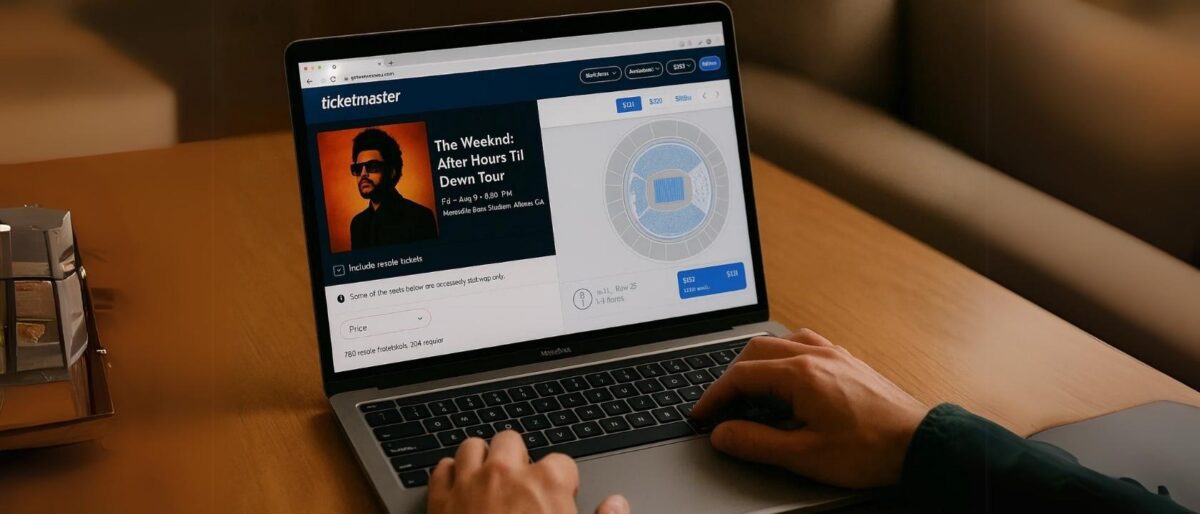
Here’s a twist: Ticketmaster doesn’t just tolerate resale—it profits from it. Through partnerships with platforms like StubHub and their own resale portal, Ticketmaster double-dips by charging fees on both the original sale and the resale. That “official resale” badge? Sometimes it’s just them… selling you the same seat twice.
17. They Dominate Internationally, Too
Ticketmaster isn’t just a U.S. giant—it’s a global gatekeeper. From Canada to Australia to parts of Europe and Latin America, they control ticketing systems in over two dozen countries. So if you’re hoping for a break while traveling abroad—sorry. Their empire crosses oceans and time zones alike.
18. They Own Festival Platforms Like Front Gate Tickets
Ever scored tickets to Coachella, Lollapalooza, or Bonnaroo through Front Gate Tickets? That’s still Ticketmaster. Front Gate is a Ticketmaster company, quietly powering the back-end of huge festivals. Even when the branding feels indie and niche, there’s a corporate giant pulling the strings behind the scenes.
19. There Are Hidden Fees You Don’t See at First
Ticketmaster has been criticized for not disclosing the full ticket price upfront. Often, fans see a reasonable price listed—until they hit checkout and get slammed with service fees, facility fees, and order processing fees. It’s like buying a $20 pizza and getting charged $45 for the box and napkins.
20. You Can Get Better Seats by Refreshing
Here’s a tip: if your first seat options stink, don’t settle. Close the window, wait a few minutes, and refresh. Ticketmaster’s queue releases seats in waves, and better options often pop up later. Patience pays off—just don’t walk away mid-sale, or you might lose your spot entirely.
Conclusion
Ticketmaster is more than just a checkout screen and a spinning queue circle. It’s a ticket titan that’s helped shape the modern live entertainment landscape—for better and for worse. Behind those blinking buttons and fees lies a system that’s complex, sometimes maddening, often misunderstood… but also packed with history, hidden perks, and a few unexpected twists.
Whether you’re snagging front-row seats to your favorite band or elbowing through a Broadway rush, knowing the inner workings gives you a leg up. Knowledge is your VIP pass. And now that you’ve got the inside scoop? You’ll be able to buy (and grumble) a little smarter next time.