Lee Brice in Pueblo, CO on Aug 23, 2025: Tickets & Info
August 18, 2025
Why Fans Follow Artists from City to City: The Superfan Phenomenon
August 18, 2025Total Cost of Seeing a Show: Tickets, Food, Parking & More

That ticket price is only the headline. The full night costs more. Tickets, fees, parking, transit, food, drinks, and merch all stack up. Add babysitting or a hotel, and totals climb fast. This guide breaks down costs, shows sample budgets, and shares smart ways to save without killing the vibe.
Ticket Prices: The Foundation

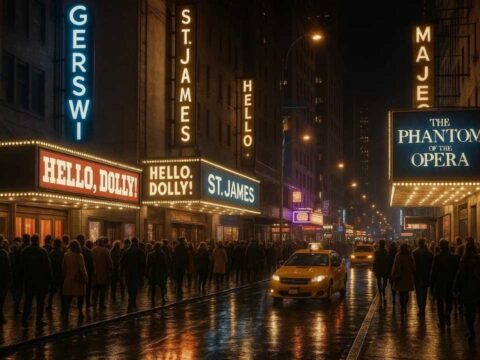
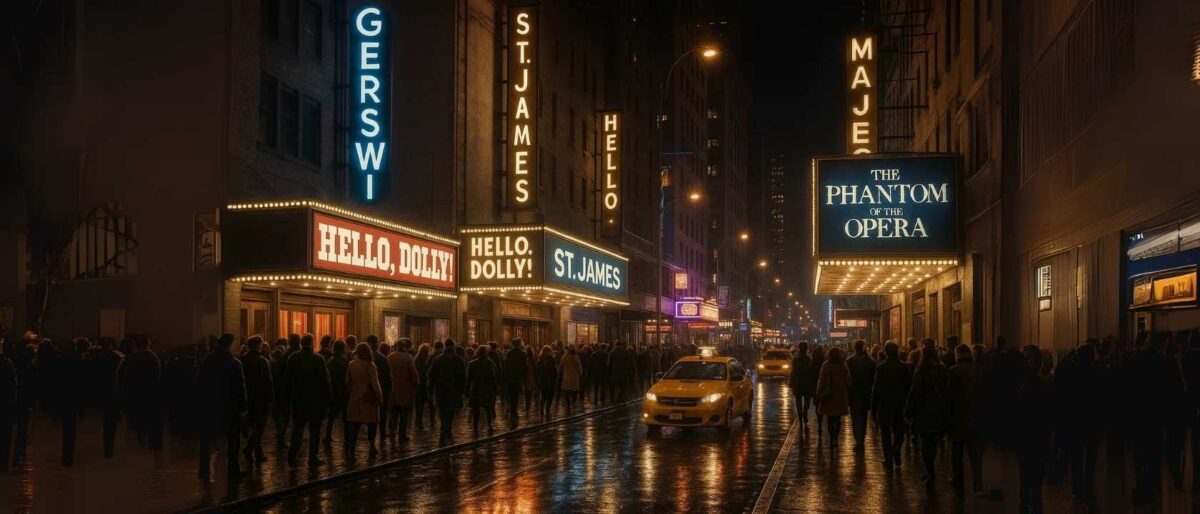
When you think about the cost of a show, the first number that comes to mind is the ticket price. But even this “base cost” has layers. Broadway tickets usually range from $80 to $250 for standard seats, with premium spots climbing past $400. Touring musicals often run a little lower, typically $60 to $150, depending on city size and demand. Concert tickets are a mixed bag: a club show may start at $30, an arena event often sits between $75 and $200, while stadium spectacles featuring major headliners can easily stretch to $300+. For comparison, sporting events like NBA or NFL games swing anywhere from $50 to $500 depending on seat location and matchup stakes.
One twist that catches many fans off guard is dynamic pricing. Think of it like airline tickets: prices fluctuate based on demand. The hotter the show, the higher the cost. A $100 seat today could be $175 tomorrow if sales spike. Add on the notorious service fees, which often tack on 10–25% per ticket, plus delivery or “processing” charges, and that bargain suddenly feels less friendly.
Thankfully, there are ways to soften the blow. Broadway rush tickets and digital lotteries hand out seats for as little as $25 to $40. Resale apps sometimes drop last-minute bargains when sellers need to unload tickets fast. Discount codes, student rushes, and subscription packages can also help trim your total. The key? Always budget above the sticker price and hunt for deals before you buy.
Transportation & Parking
Getting to the show can be almost as pricey as the ticket itself. In big cities, public transit is often the smartest play. Subways, buses, and light rail usually run late enough to cover post-show exits, and a round trip often costs less than a latte. In smaller towns, though, public transit might be scarce, so driving becomes the default option.
If you’re driving, be prepared: parking garages in major cities like New York, Chicago, or San Francisco can run $25 to $50 for an evening. In mid-size towns, you might luck out with a $10–$15 flat rate. Some upscale theaters offer valet parking, which adds convenience but also adds another $20–$40 to your night. Then there’s rideshare. Uber and Lyft can seem like easy solutions, but surge pricing after a big event can make a 10-minute ride cost more than your dinner.
There are ways to cut costs. Pre-booking parking apps often shave 30–40% off the drive-up price. Splitting rides or parking fees with friends spreads out the sting. And if you’re really budget-conscious, park farther from the venue and walk a few blocks. It may save you enough to cover that post-show snack.
Food & Drinks

Here’s where the hidden wallet drain begins: concessions. Once inside, you’re a captive audience, and prices reflect it. A small bottle of water often runs $5–$7. Candy or popcorn might cost $6–$10. Cocktails, beer, or wine can easily hit $12–$20 each. Multiply that by intermission cravings and you’ve spent almost as much as a dinner out. Venues know people will pay for the convenience, so margins stay high.
If you’d rather skip the sticker shock, pre-show dining is a smarter option. Many theaters are surrounded by restaurants offering “dinner-and-a-show” packages, often two- or three-course meals timed perfectly for curtain calls. Prices range from casual spots at $20 per person to upscale dining near $60–$100 with wine. The experience adds charm and sometimes saves you from scrambling in a long concession line.
A few venues allow outside snacks or refillable water bottles, but always check the rules before arriving. If alcohol is part of your evening, don’t forget the hidden tipping factor. A $15 drink quickly becomes $18 with gratuity, and ordering two rounds for a couple can quietly tack $40–$50 onto the night. In short, food and drink costs are where many budgets wobble, so plan whether you’ll indulge inside, eat before, or mix the two.
Babysitting, Hotels & Other Extras
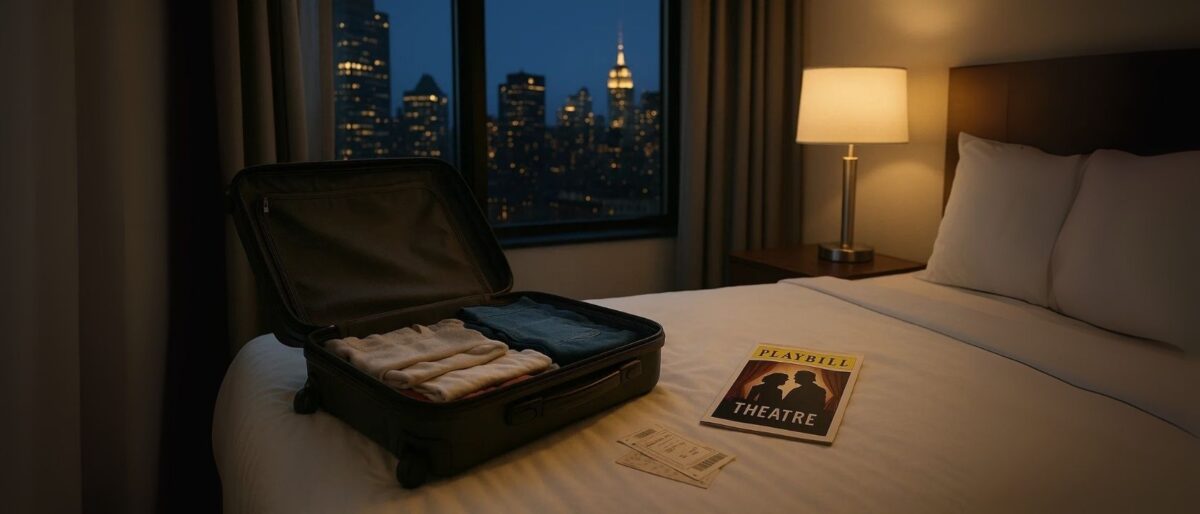
The ticket, the ride, the snacks—those are predictable. But the extras often sneak in and swell the bill. Parents know the drill: a babysitter for the evening can cost anywhere from $15 to $25 an hour, and for a three- or four-hour show night, that’s another $60–$100 before you even leave the driveway. Pet owners may need to arrange a dog walker or pet sitter, which can run $20–$40 depending on timing and location.
If the show is in another city, hotels add another layer. A standard chain hotel could cost $120–$200 a night, while boutique stays near major theaters may reach $250+. Add parking fees at the hotel and the numbers rise quickly. Travelers also face transportation extras like gas, tolls, or even flights if the performance is a destination event.
Then there’s the overlooked opportunity cost. Time off work, late-night returns, or next-morning fatigue can hit your schedule and wallet in ways that don’t show up on the receipt. While these extras aren’t part of every outing, when they do apply, they often rival the cost of the ticket itself. The takeaway: plan for these “hidden” expenses so they don’t catch you off guard.
Calculating the “Real” Cost: Examples
Looking at receipts in black and white shows how fast numbers snowball. Below are two snapshots of what a night out can really total once all the extras line up.
Example 1: Local Broadway Show, Couple’s Night Out
- Base ticket price: $120 each x 2 = $240
- Service fees: $25 each x 2 = $50
- Parking: $30 garage
- Concessions: $8 water + $16 wine = $24
- Merchandise: $35 T-shirt
Total Spend: $379 (vs. $240 base ticket cost)
Example 2: Stadium Concert in Another City, Group of Friends
- Base ticket price: $150 each x 4 = $600
- Service fees: $30 each x 4 = $120
- Gas & tolls: $70 split among 4 = $18 each
- Hotel: $180 room split among 4 = $45 each
- Food & drinks: $25 concessions + $40 pre-show dinner = $65 each
- Merchandise: $50 concert tee
Total Spend Per Person: $298 (vs. $150 base ticket cost)
Side by side, the math is clear: what looks like a $120–$150 ticket can end up closer to $300+ once you add transportation, food, and souvenirs. That’s the difference between budgeting for the face value and budgeting for the full experience.
Tips to Keep Costs Under Control
A night at a show doesn’t have to wreck your wallet. A few simple strategies can trim expenses and keep the evening fun without regret the next morning.
- Buy tickets early or join presales. Early birds often score better prices before dynamic pricing drives costs up. Signing up for fan club or credit card presales can give you first pick at face-value seats.
- Use discount platforms. Sites and apps specializing in same-day or last-minute deals often slash ticket prices. Broadway rush, lotteries, and verified resale platforms can mean seeing a hit show for a fraction of the price.
- Eat before you go. Concessions are pricey, so grabbing a meal at home or at a nearby diner can save you $20–$50 easily. If you still want a treat inside, budget for one item instead of multiple rounds.
- Share parking or split rides. Carpooling cuts parking fees in half or more. If rideshare is your choice, splitting the fare among friends keeps costs manageable and helps dodge peak surcharges.
- Decide on a merch budget beforehand. Set a limit, whether it’s one T-shirt or a small souvenir. This helps avoid impulse spending when the merch booth starts calling your name.
With a bit of planning, the total bill feels less overwhelming, and the focus stays on the experience, not the expenses.
Conclusion
Tickets may get you through the door, but they’re only half the story. The real price of a show comes with parking garages, concession stands, merch tables, and sometimes even hotels. None of this has to ruin the fun, though. With smart planning—like setting budgets, splitting costs, and eating beforehand—you enjoy the night without post-show sticker shock. Next time you see that tempting ticket price, remember the full picture—then go enjoy the show with eyes wide open.