What to Do After the Show Ends: Reviews, Photos & Social Media Tips
August 22, 2025
What to Wear to an Outdoor Concert | Style & Comfort Guide
August 22, 2025What Does a Concert or Broadway Promoter Do? Behind the Scenes Explained
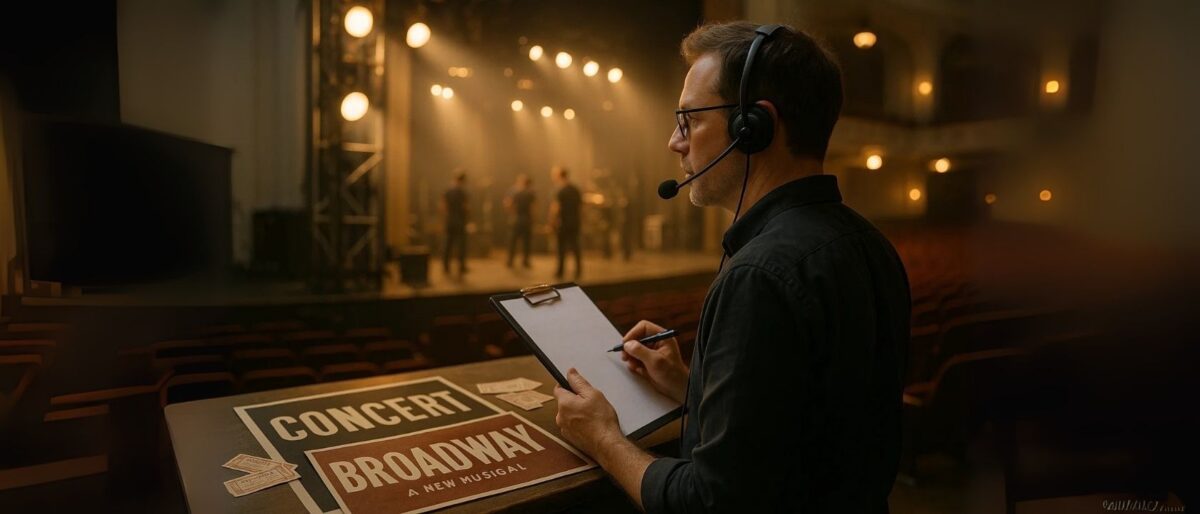
Promoters turn ideas into nights you remember. They book artists, secure venues, price tickets, and drive buzz so seats fill and shows run smoothly. They juggle marketing, sponsors, and backstage needs while managing risk. Here’s a clear look at what concert and Broadway promoters do from pitch to final applause.
Defining the Role of a Promoter
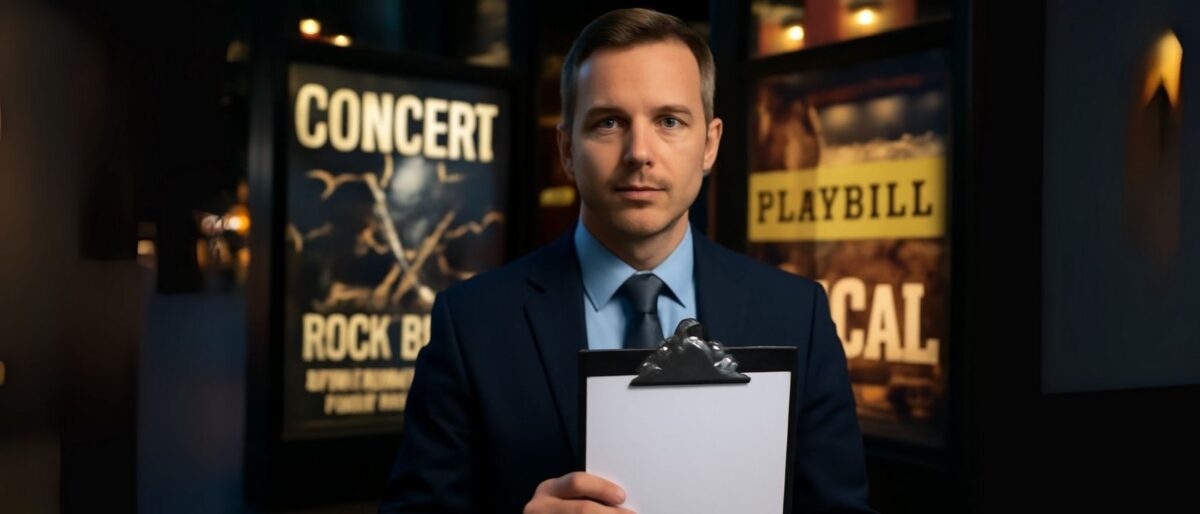
A promoter is the bridge that connects the artist, the venue, and the audience. They’re not the ones performing on stage, but without them the performance might never happen. Their job is to take a show from idea to reality, making sure every piece fits together.
The mission is simple to describe but tough to deliver: sell tickets, build buzz, and make sure the event runs smoothly. That means finding the right space, setting prices, planning the marketing, and ensuring both the performers and the fans get the experience they expect. From the first poster to the last encore, the promoter’s influence is everywhere.
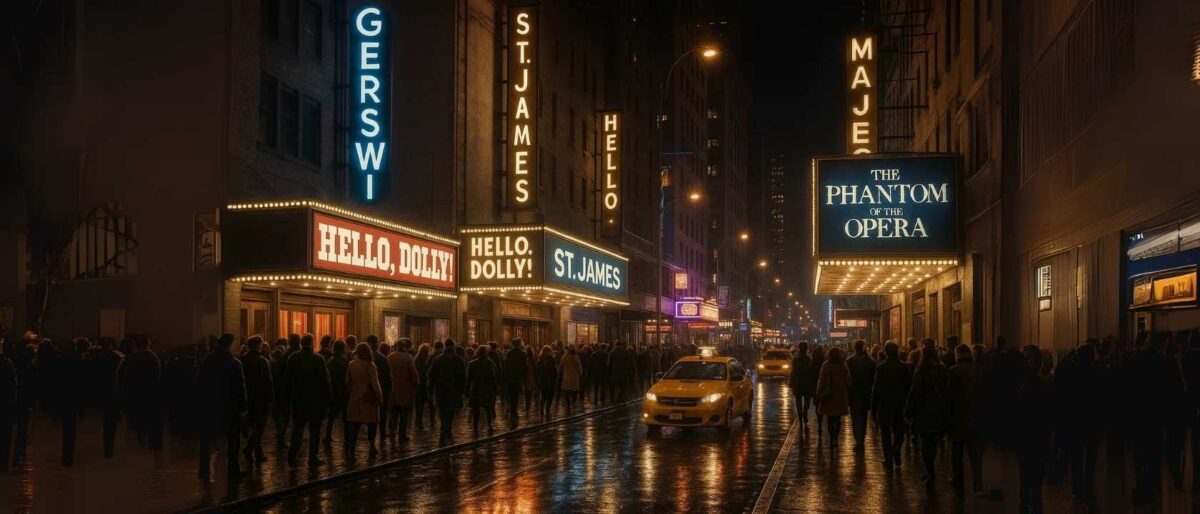
Concert and Broadway promoters share many responsibilities, but they face different challenges. Concert promoters often deal with touring schedules, large arenas, and the unpredictability of live music crowds. Broadway promoters, on the other hand, focus on theater runs that can last weeks, months, or even years, with an emphasis on reviews, word-of-mouth, and keeping long-term momentum alive. Both roles demand creativity, strategy, and a sharp eye for detail to keep the spotlight shining brightly.
Securing the Artist or Production
Before the lights shine and the tickets sell, a promoter has to lock in the talent. This begins with booking artists, bands, or theater productions. Promoters often work months in advance, approaching agents or managers to secure performers that fit the venue, budget, and audience demand.
Negotiating contracts and fees is a big part of the process. Promoters and managers discuss artist guarantees, revenue splits, and expenses like travel or accommodations. Every detail matters, from performance length to hospitality requirements, and both sides aim to strike a deal that balances fairness with profitability.
Once agreements are in place, promoters coordinate schedules and, in the case of tours, plan routing. Aligning multiple cities and dates requires precision—one change can affect the entire chain. Timing is everything: too many shows in one market can dilute sales, while poorly spaced stops can exhaust performers.
Strong partnerships with agents and managers are crucial here. Trust and clear communication help promoters secure top acts and build lasting relationships. Without this groundwork, there would be no show to promote, no stage to set, and no audience to gather when the curtain rises.
Choosing and Booking the Venue
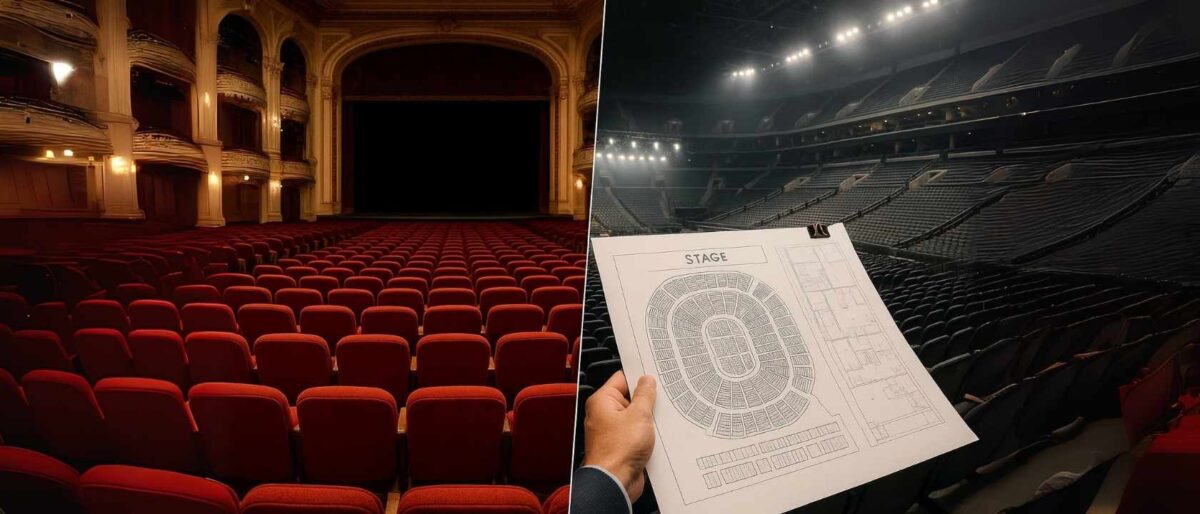
Once the artist is secured, the next step is finding the right stage. Promoters carefully weigh audience size, location, and budget when selecting a venue. A rising band might draw best in a 1,500-seat club, while a superstar needs an arena. For Broadway, the choice is even tighter, with limited theaters available and seating capacity often dictating whether a run can be profitable.
Venue contracts add another layer of complexity. Promoters negotiate rental fees, ticketing arrangements, staffing, and even concession splits. They also coordinate logistics such as load-in schedules, sound and lighting equipment, and backstage requirements to match the performer’s needs. Missing a detail here could mean delays or unexpected costs.
Prestige often collides with practicality. A historic Broadway house or a legendary concert hall can boost a show’s reputation but comes with higher costs and stricter rules. On the other hand, more flexible venues may be easier on the budget but lack the allure of a marquee name. Promoters constantly balance these factors, aiming to secure a space that satisfies the artist, excites the audience, and makes financial sense.
Marketing and Promotion
Once the venue and artist are locked in, the next challenge is making sure people show up. Promoters build awareness through a mix of advertising channels: digital ads that target fans online, radio spots that reach commuters, print placements in local media, and billboards that catch attention in busy districts. Each piece works together to keep the show visible and top of mind.
Social media campaigns have become essential. Promoters collaborate with influencers, roll out teaser videos, and push press releases to media outlets. The goal is to create buzz that spreads organically, making the event feel like something you’ll regret missing if you don’t buy tickets early.
Design also plays a huge role. Posters, playbills, and digital graphics are crafted to highlight the mood of the show—bold and edgy for a rock concert, polished and dramatic for a Broadway premiere. Every visual asset is a promise of the experience waiting inside the venue.
Most importantly, promoters build a story. They don’t just sell seats; they craft a narrative that makes the event feel like a must-see. Whether it’s the once-in-a-lifetime reunion tour or a groundbreaking new musical, the promotion has to make the audience feel that the spotlight is already waiting for them.
Ticketing and Sales Strategy
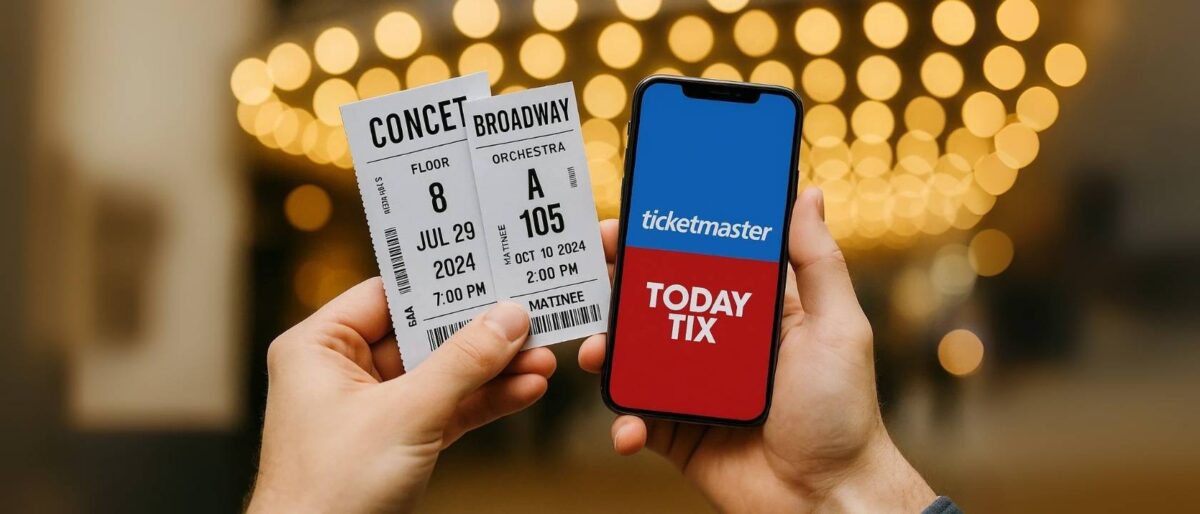
After the buzz is built, the focus shifts to turning excitement into sales. Promoters set ticket prices with care, weighing demand, venue size, and artist expectations. They often create tiers—balcony vs. orchestra, general admission vs. reserved seating—and add VIP packages that might include meet-and-greets, early entry, or exclusive merchandise. These options maximize revenue while appealing to different types of fans.
Ticketing platforms are central to this process. Promoters work closely with outlets like Ticketmaster, AXS, and TodayTix to make sure listings are accurate, accessible, and easy to purchase. These platforms handle massive volumes of buyers, so coordination is critical to prevent glitches or delays when tickets go live.
Presales and discount codes are powerful tools, too. Fan club presales, credit card offers, and special promotions help build momentum before the general on-sale. By rewarding loyalty or giving early access, promoters generate a sense of urgency that drives faster sales.
But the work doesn’t stop there. Promoters constantly monitor sales trends, tracking which nights or sections are moving quickly and which need a push. They can adjust marketing budgets, shift ad spend, or introduce new offers in real time to keep sales strong. In this way, ticketing becomes both a science and an art, balancing pricing strategy with fan psychology.
Sponsorships and Partnerships
For many promoters, the financial puzzle doesn’t come together on ticket sales alone. Sponsorships and partnerships are key to making an event both profitable and memorable. By securing brand sponsors or teaming up with local businesses, promoters can offset production costs and add value for the audience at the same time.
These collaborations come in many forms. Beverage companies often sponsor concerts, ensuring their drinks are front and center at the venue while covering a portion of operating expenses. Media tie-ins—like radio stations or local TV networks—help promote the event with free airtime, contests, or exclusive interviews, expanding reach without ballooning ad budgets. Hospitality perks can also sweeten the deal: hotel partners might offer discounted stay packages, or restaurants could provide pre-show specials for ticket holders.
The best sponsorships aren’t just logos on a poster—they integrate seamlessly into the event experience. Whether it’s a branded photo booth in the theater lobby, a VIP lounge stocked by a beverage sponsor, or a streaming partner broadcasting behind-the-scenes content, these partnerships enhance the night for fans while providing significant support for the show’s bottom line.
Event Logistics and Operations
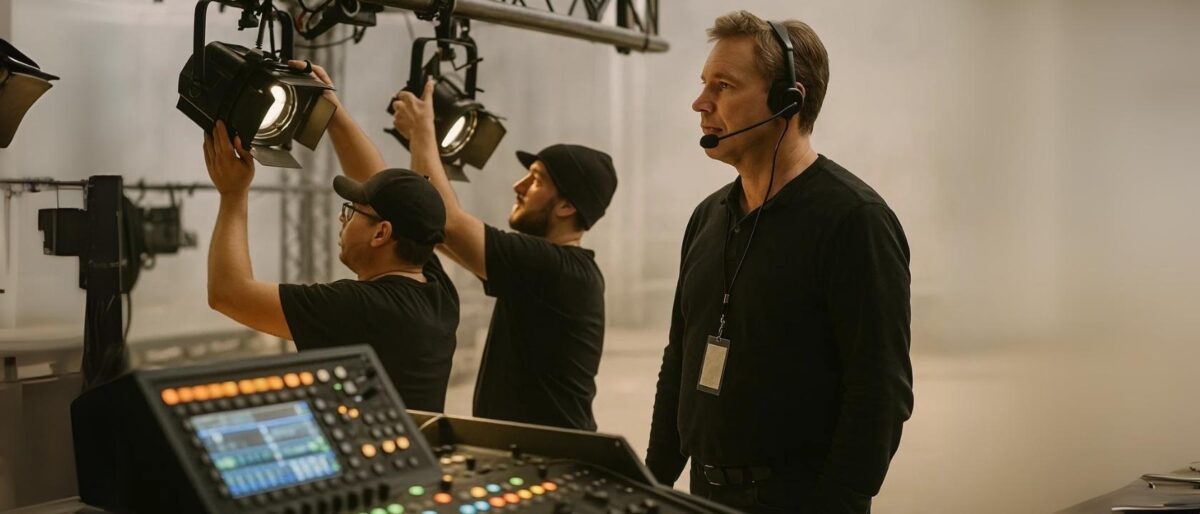
If the promoter’s job ends at selling tickets, the show would fall apart. Behind the scenes, they orchestrate every moving part that makes the night possible. From the moment the crew arrives for load-in to the final encore, promoters ensure the technical, logistical, and human pieces fit together smoothly.
Key responsibilities include coordinating sound, lighting, staging, and equipment setup. Promoters often work with production managers and venue staff to confirm that everything is installed on time and functioning properly. Security and staffing also fall under their watch—ushers, ticket scanners, bartenders, and safety personnel must be scheduled and trained, while insurance and permits keep the event legally compliant.
Then there’s the artist’s rider: a detailed list of backstage needs ranging from catering to dressing-room setups. Meeting these requirements helps maintain professionalism and keeps performers focused on their craft. Finally, no plan is foolproof, so promoters also handle crisis management. Whether it’s a weather delay, technical failure, or even a last-minute cancellation, they’re responsible for quick decisions that protect both the audience and the show’s reputation.
Financial Management
At the heart of promotion is money management. Promoters act as financial architects, building a budget that balances ambition with reality. Every expense—artist fees, venue rental, staffing, security, and marketing—must be carefully planned to avoid overspending before a single ticket is sold.
Revenue flows from multiple streams. Ticket sales remain the largest source, but sponsorships, concessions, and merchandise can provide crucial boosts. A savvy promoter knows how to maximize each of these without compromising the audience’s experience. For example, a well-placed brand sponsor might help cover marketing costs, while merch stands or exclusive VIP perks add both revenue and fan excitement.
But financial management isn’t just about earning—it’s about risk. When a concert or Broadway run underperforms, promoters often shoulder the loss. Empty seats, low merch sales, or unexpected costs can mean thousands of dollars gone. That’s why careful forecasting, smart pricing, and contingency funds are vital. Success can be lucrative, but failure is costly—making financial discipline one of the promoter’s most important skills.
Audience and Community Engagement
Beyond ticket sales and logistics, promoters play a crucial role in connecting with audiences on a deeper level. They nurture fan relationships through newsletters, loyalty programs, and exclusive offers that make people feel valued. These initiatives turn one-time attendees into lifelong supporters who eagerly await the next event.
Strong community engagement also ensures that shows remain inclusive and relevant. By listening to local voices, offering accessible pricing tiers, or creating family-friendly options, promoters help broaden participation and break down barriers to entry. Their efforts can make the difference between a show that feels distant and one that feels like a community celebration.
Promoters also shape the cultural fabric of a city. A thriving concert and theater scene reflects not just the artists who perform, but also the promoters who curate and champion them. By bringing in diverse productions and spotlighting local talent, promoters contribute to the identity, pride, and vibrancy of a city’s arts and entertainment culture.
Challenges of the Promoter Role
While the spotlight often shines on artists and productions, promoters carry heavy burdens behind the scenes. The role is filled with risk, uncertainty, and constant problem-solving. At its core, promotion is about balancing passion for art with the realities of business—a tightrope walk that not everyone sees.
One of the biggest challenges is financial risk. Promoters front significant costs for artist fees, venues, marketing, and logistics, often before a single ticket is sold. If sales underperform, they are the ones absorbing the losses. This unpredictability makes each event a gamble, no matter how experienced the promoter may be.
Competition adds another layer of difficulty. Promoters not only compete with each other but sometimes with venues themselves, which may host their own in-house events. Winning the right artists and dates requires strong relationships, quick decision-making, and sometimes aggressive negotiation.
Even after contracts are signed, unexpected hurdles arise—last-minute schedule changes, artist no-shows, technical failures, or negative publicity. A promoter must remain calm under pressure and pivot quickly, often with limited resources. These crises test both their organizational skills and their reputation in the industry.
Perhaps the most delicate challenge is balancing artistic vision with business reality. Promoters want to support innovative or meaningful productions, but they also must prioritize shows that will sell tickets. Walking this fine line is what makes promotion both demanding and essential to the cultural ecosystem.
Success Stories and Examples

Behind every legendary show or sold-out tour stands a promoter who understood how to turn vision into reality. History is full of examples where great promoters not only managed logistics but also transformed the cultural landscape through bold ideas and business savvy.
In the world of concerts, Bill Graham is often remembered as a pioneer. Known for promoting artists like The Grateful Dead, Jimi Hendrix, and The Rolling Stones, Graham revolutionized live music by blending artistry with spectacle. His knack for creating unforgettable experiences helped define the modern rock concert.
On Broadway, Cameron Mackintosh is a household name. He turned shows like Les Misérables, Phantom of the Opera, and Miss Saigon into global phenomena. Mackintosh’s gift was not just in producing but in promoting—crafting narratives and visuals that made these productions must-see events across continents.
Today, large promotion companies dominate the industry. Live Nation and AEG oversee countless concerts and festivals worldwide, using scale and technology to connect artists with millions of fans. In theater, Broadway Across America has expanded the reach of Broadway by touring major productions across U.S. cities, ensuring the magic of New York theater travels far beyond Times Square.
These promoters and companies didn’t just sell tickets—they helped shape the way we experience entertainment. From the rock-and-roll revolution to the globalization of Broadway, their influence demonstrates the power of smart promotion in building cultural legacies.
The Future of Promotion
The role of promoters is rapidly evolving in response to shifting technology, audience expectations, and cultural priorities. What once relied on posters, radio ads, and word-of-mouth has now expanded into a digital-first ecosystem, where streaming platforms, social media, and new tech play a central role.
Streaming and social media have transformed promotion into a 24/7 cycle. A viral TikTok clip or trending Instagram reel can sell out a concert or Broadway show faster than traditional advertising ever could. Promoters now focus on building buzz online long before tickets even go on sale, turning fans into active marketers.
Dynamic pricing has also entered the picture, adjusting ticket costs in real time based on demand. While controversial, it mirrors airline models and ensures maximum revenue capture. Alongside this, virtual concerts and immersive Broadway marketing are expanding access, allowing fans to connect with shows even if they can’t attend in person. Think live-streamed concerts, VR theater previews, or interactive online campaigns.
Looking forward, sustainability and diversity are becoming priorities. Promoters are under pressure to reduce the environmental footprint of tours and productions while also championing underrepresented voices on stage and behind the scenes. These shifts don’t just reflect social responsibility—they also align with audience values, ensuring loyalty and long-term success.
The future of promotion blends tech innovation with cultural consciousness. Promoters who adapt to these changes will not only sell tickets but also shape the way the next generation experiences live entertainment.
Conclusion
Promoters are the behind-the-scenes architects of live entertainment, working tirelessly to bridge the gap between artists, venues, and audiences. Their role is far more than logistical—it’s creative, strategic, and deeply influential in shaping how we experience concerts and Broadway alike.
From negotiating contracts to orchestrating marketing campaigns, from handling the smallest operational details to managing risks, promoters ensure that every performance comes to life seamlessly. Without them, the spotlight wouldn’t shine, the audience wouldn’t gather, and the magic wouldn’t happen.
Final takeaway: Promoters make the unforgettable possible. They transform an idea into an experience, a plan into a memory, and a show into a cultural moment audiences carry with them long after the curtain falls or the encore ends.