What Happens If You Don’t Laugh at a Comedy Show? | Audience Guide
August 21, 2025
How to Buy Accessible Tickets for Concerts & Shows | Step-by-Step Guide
August 21, 2025What Is Dark Comedy? Top Acts & Ethical Lines
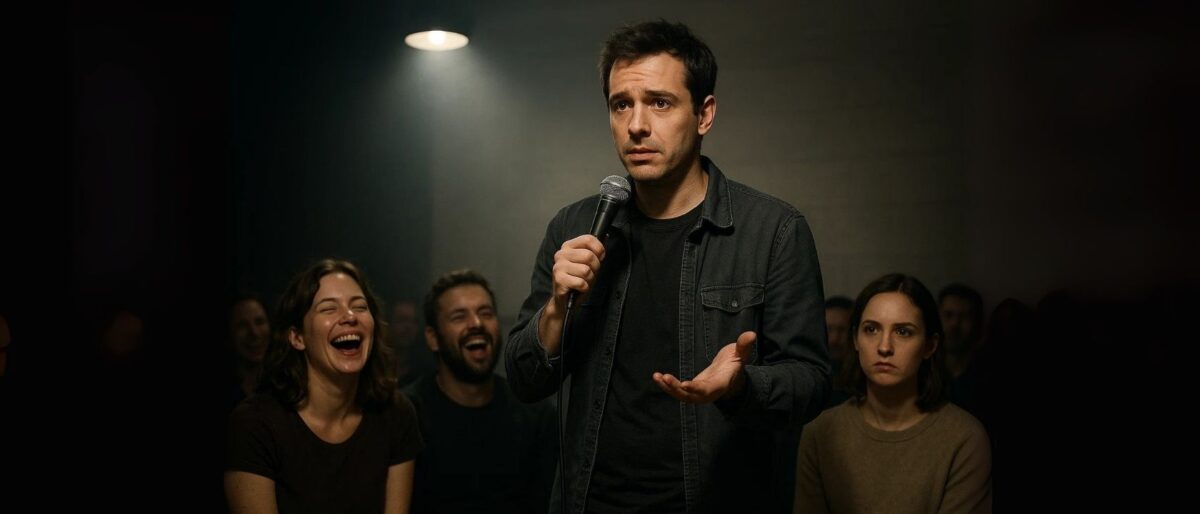
Dark comedy takes the heaviest subjects—death, tragedy, taboo—and flips them into laughter. It’s humor where discomfort meets relief, a style that divides crowds as much as it entertains. Some call it clever satire, others call it offensive. So what exactly is dark comedy, and where are its limits?
What Is Dark Comedy?
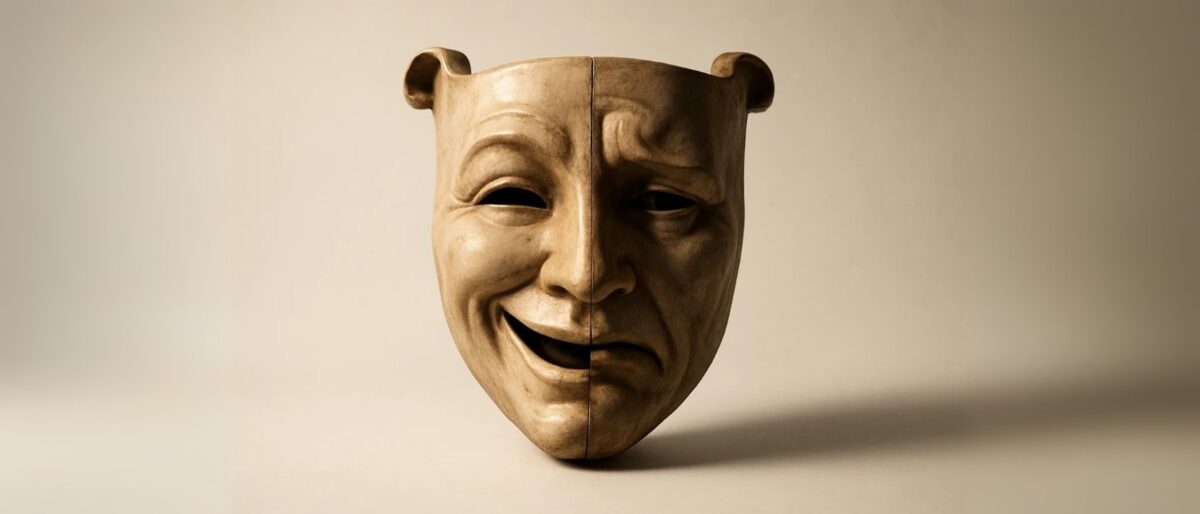
Dark comedy is a style of humor that deliberately blends laughter with uncomfortable or unsettling themes. Instead of shying away from life’s harsh realities, it highlights them in ways that feel absurd, ironic, or satirical. Its roots stretch back to ancient plays and literature, where tragedy and humor often sat side by side, proving that even serious subjects could be reframed through wit.
The themes of dark comedy are rarely lighthearted. Death, illness, crime, war, politics, and existential dread are common ground. These are the areas most people avoid in polite conversation, yet comedians and storytellers use them to spark both shock and laughter. It’s a way of poking fun at the things we usually fear or ignore.
The purpose of dark comedy varies. For some, it works as a coping mechanism, letting audiences laugh at what usually causes anxiety. For others, it’s a form of satire, exposing hypocrisy or injustice through biting humor. At times, it simply pushes boundaries for shock value, daring people to react.
It’s also important to distinguish dark comedy from offensive humor. The line comes down to intention, delivery, and context. Dark comedy aims to provoke thought while entertaining, whereas offensive humor often ridicules without purpose. A well-crafted dark joke makes people think and laugh at the same time, rather than leaving them alienated.
Why People Enjoy Dark Comedy
Dark comedy isn’t for everyone, but for those who embrace it, the attraction is clear. It takes life’s scariest or most uncomfortable truths and reframes them in a way that feels manageable. Relief through laughter is one of its biggest draws. By joking about death, disaster, or taboo topics, the fear loses some of its sting. A laugh, even a small one, makes the subject feel less threatening.
There’s also a sense of catharsis. When audiences laugh at things that usually overwhelm them, they release tension that might otherwise stay bottled up. A dark joke can feel like a pressure valve, letting people breathe through subjects that are too heavy to face directly.
For many, the intellectual appeal is just as strong. Dark comedy often relies on irony, layered wordplay, or clever satire. It asks the audience to connect dots, catch subtext, and appreciate wit that goes beyond surface-level laughs. This complexity is part of why it feels rewarding to fans of the style.
Finally, dark comedy often doubles as social commentary. By joking about politics, corruption, or social injustice, comedians can expose hypocrisy in ways that straightforward discussion cannot. The humor softens the delivery but sharpens the point, leaving the audience entertained while still confronting uncomfortable truths.
Top Dark Comedy Acts and Performers
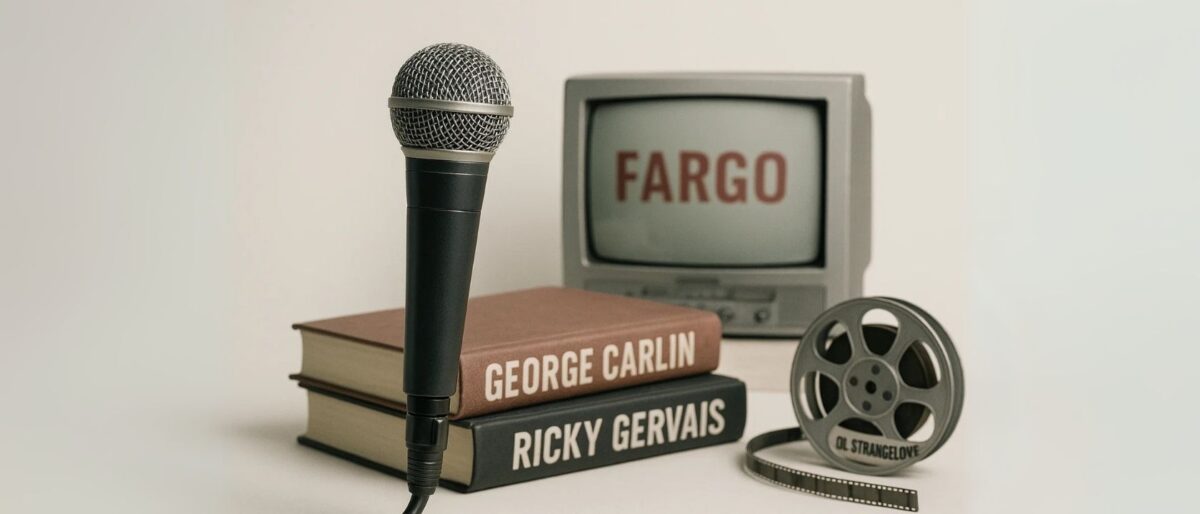
Dark comedy has been shaped by performers who weren’t afraid to tackle uncomfortable truths with wit and sharp delivery. Some challenged social taboos, others used humor to criticize politics or culture, and many built careers by walking the thin line between laughter and unease.
Classic Examples
Lenny Bruce is often remembered as one of the first stand-up comics to openly challenge taboos. His material touched on sex, religion, and politics at a time when such subjects were rarely discussed on stage, paving the way for boundary-pushing humor. George Carlin followed with a sharper edge, mixing critiques of death, politics, and social hypocrisy with playful wordplay. His ability to use humor as both a scalpel and a sledgehammer made him one of the most influential figures in comedy history.
Modern Stand-Up Comedians
Anthony Jeselnik has built his reputation on unapologetically dark punchlines, often leaning into morbidity and shock with razor-sharp timing. Ricky Gervais thrives on pushing boundaries, especially around religion, celebrity culture, and mortality, sparking both laughter and debate. Dave Chappelle, while not always labeled strictly as a dark comic, consistently weaves race, politics, and uncomfortable truths into routines that leave audiences both laughing and squirming.
Film & TV Dark Comedy
The influence of dark comedy extends far beyond stand-up. In cinema, Dr. Strangelove remains a landmark satire, finding absurd humor in the threat of nuclear annihilation. Fargo blends brutal crime with awkward absurdity, making violence feel both shocking and oddly funny. On television, The Office carved out a niche with cringe-based humor, thriving on discomfort rather than punchlines. More recently, Bo Burnham: Inside captured isolation, mental health struggles, and existential dread through music and comedy, proving dark comedy can be intimate as well as satirical.
From stand-up legends to modern streaming specials, these performers and works show the range of dark comedy—unafraid to laugh at life’s heaviest subjects while provoking thought along the way.
The Ethical Lines of Dark Comedy
Dark comedy doesn’t exist in a vacuum. What feels clever in one setting can feel cruel in another, which is why context matters so much. A joke told in a comedy club may land differently than the same joke on broadcast TV or on social media, where tone is easily lost and audiences are broader. The platform often shapes whether a joke is accepted as humor or condemned as offensive.
Another dividing line is intention. Satire aims to expose hypocrisy or highlight truth through laughter, while jokes meant purely for shock often lack substance. If the goal is only to provoke, it risks alienating audiences rather than engaging them. Thoughtful dark comedy tends to balance discomfort with insight.
Audience factors also play a critical role. People bring their own cultural backgrounds, personal histories, and even traumas into the room. A joke about death or illness might feel therapeutic to one person yet deeply painful to another. That subjectivity makes dark comedy especially sensitive to context and delivery.
Ethical questions often shape the debate: Does the joke punch up or punch down? Targeting systems of power usually feels more justified than mocking vulnerable groups. Does it trivialize real suffering? Humor about tragedy can either ease pain or deepen it. And finally, is the material exploiting tragedy for cheap laughs? That’s the point where many draw the line between edgy and unethical.
Dark comedy walks a thin tightrope, and its effectiveness depends on how carefully comedians and audiences navigate those ethical lines.
Risks of Dark Comedy
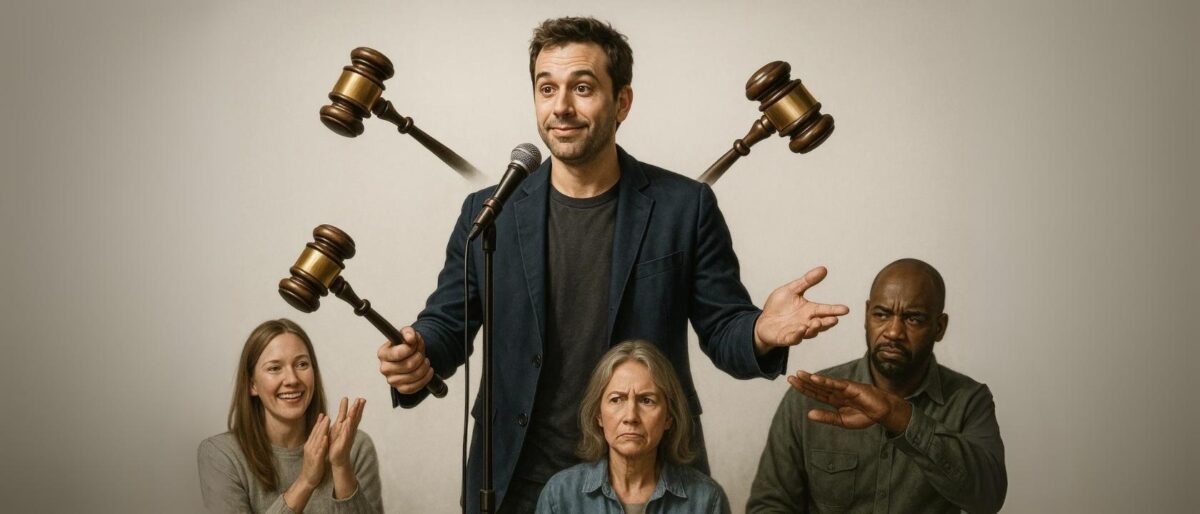
Dark comedy always carries risk, and part of its edge comes from walking close to the line. Still, the consequences of missteps can be serious, both for performers and for how audiences receive the material.
Misinterpretation is one of the biggest pitfalls. A joke crafted with irony or satire can be taken literally if stripped of tone or context. On social media, where clips are often shared without setup, material can quickly appear harsher than intended.
Backlash is another common hazard. Dark humor that touches sensitive topics can spark criticism, and in today’s climate, that sometimes escalates into cancel culture or viral outrage. One routine, once misread, can spiral into days of negative press and online attacks.
Emotional triggers also complicate dark comedy. For some audience members, hearing a joke about illness, death, or violence may bring back personal trauma. While others may laugh, those directly affected could feel blindsided, making the experience painful rather than cathartic.
Finally, there are professional consequences. Comedians who repeatedly cross lines without nuance risk alienating bookers, losing audiences, or even damaging their careers. The same edge that makes dark comedy powerful can also cut deeply if not handled carefully.
These risks don’t mean dark comedy should disappear. They simply highlight the responsibility comedians carry when playing with heavy material and the need for awareness of how jokes land beyond the stage.
Responsible Enjoyment and Performance

Dark comedy can be sharp, funny, and even thought-provoking when handled with care. Both comedians and audiences share responsibility in making sure it lands the way it should—challenging without crossing into cruelty.
For comedians, the first rule is to know the audience. A joke that works in a late-night comedy club may not work on prime-time television or on social media. Reading the room helps performers gauge whether the material will be embraced or rejected. They also need to balance shock with wit. Shock alone can feel hollow, but when paired with clever writing and timing, it transforms into humor with substance. Above all, comics should aim for satire or perspective, not cruelty. The best dark jokes expose hypocrisy or provide new ways of looking at hard truths, rather than mocking those already suffering.
For audiences, responsibility looks a little different. It starts with trying to recognize intent. Was the comedian aiming to make people think, or simply to provoke? Audiences should also understand their own comfort levels. If certain topics feel too raw or triggering, it’s okay to step back rather than force yourself to engage. Finally, it helps to differentiate between poor taste and clever critique. Not every dark joke is offensive—some highlight truths more powerfully than any serious discussion could.
Handled responsibly, dark comedy becomes more than shock value. It’s a way to laugh at the unspoken parts of life while still respecting the line between humor and harm.
Conclusion
Dark comedy has always balanced on a thin line between insight and offense. When done well, it sparks laughter while shining light on subjects most people shy away from. That uneasy mix is what gives the genre its edge and keeps audiences debating its place in culture.
The true value of dark comedy is in how it exposes uncomfortable truths. By turning fear, tragedy, or taboo into humor, it gives people a way to confront the things that usually feel too heavy to discuss. A sharp joke can make a tough subject feel more approachable, even while it unsettles.
Ultimately, ethical awareness is what shapes the difference between a thought-provoking joke and one that feels simply inappropriate. Comedians must weigh intent and context, while audiences decide their own comfort levels. Together, they determine whether dark comedy becomes a tool for reflection—or a misstep that misses the mark.