Are Concerts Safe for Women Going Alone?
August 19, 2025
Is Seeing a Broadway Show Too Overwhelming?
August 19, 2025How Early Should You Arrive at a Concert?
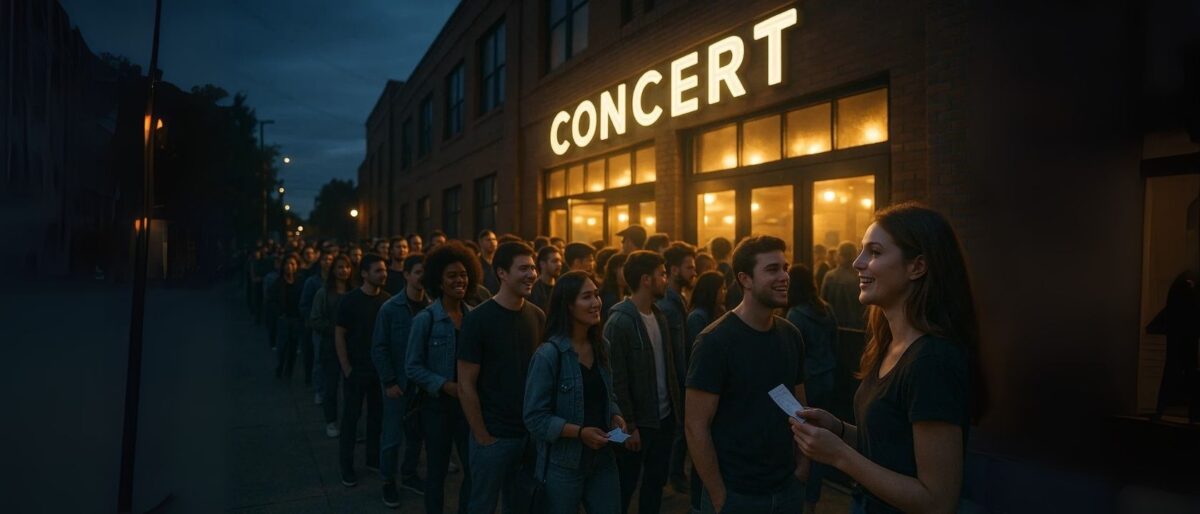
How early should you get to a concert? The buzz begins long before the first note, and timing your arrival shapes the entire concert experience. Too early, and you’re waiting; too late, and you risk missing the opener or fighting through crowds. Here’s how to strike the right balance so your night starts stress-free and unforgettable.
Why Arrival Time Matters

When it comes to concerts, timing isn’t trivial—it sets the tone for your entire night. Arriving early helps you beat long entry lines and security checks. With thousands of people funneled through the same gates, being near the front means less waiting and more time inside enjoying the atmosphere.
For general admission shows, timing can be everything. The best spots near the stage are taken by those who arrive first. If being close to the action matters to you, plan to line up early. Once doors open, every minute can push you further back in the crowd.
Merchandise tables also get busy quickly. Arriving ahead of the rush gives you first pick of tour shirts, posters, or limited-edition items before popular sizes sell out. Early shoppers also avoid missing chunks of the show while stuck in line.
Another perk of arriving early is a calmer start to the night. You can grab food, find your seat or spot, and settle in without the stress of racing against the clock. By contrast, showing up at the last minute often means pushing through chaotic crowds and missing opening acts.
Finally, there’s safety. Venues often get hectic closer to showtime. By arriving early, you reduce the risk of being caught in a mad dash or confusion at the gates. A little extra time translates into a lot more peace of mind.
General Admission (GA) Shows
General admission concerts are all about standing-room energy, and the golden rule is simple: first-come, first-served. Your spot in the crowd depends entirely on when you arrive, so if you’re aiming for front-row magic, timing matters more than anything else.
Hardcore fans know this well. They’ll camp out in the morning or line up hours before doors even open to guarantee a place right by the barricade. It’s a serious commitment, but for those who want eye contact with the band, the extra effort feels worth it.
Casual fans don’t need to go that far. Arriving one to two hours before the doors open usually lands you a decent spot without spending half your day in line. You’ll still catch the energy of the crowd without the marathon wait.
The challenge is balancing comfort with closeness. Standing for hours before and during the show can take a toll, especially without breaks. Ask yourself if the view is worth the wait, or if a little space further back suits your style better.
Arriving too late, though, almost guarantees being stuck at the back. Poor sightlines, less-than-perfect sound, and the constant shuffle of people moving in and out can make the experience less enjoyable. A bit of planning ahead keeps you close to the music, not lost in the crowd.
Seated Concerts (Assigned Seating)

For concerts with assigned seating, your ticket guarantees your spot, so arriving early isn’t about location—it’s about convenience. You won’t need to worry about losing out on the view, but timing still makes a big difference in how smoothly your night begins.
Parking lots at arenas and theaters fill quickly. Getting there ahead of the rush means less time circling for a space and more time walking in calmly. Security checks can also cause bottlenecks, so showing up before peak arrival keeps you from being caught in the slow shuffle at the gates.
A good rule of thumb is to plan on arriving 30 to 60 minutes before showtime. This gives you enough time to pass through security, find your section, and get comfortable before the opener begins. You’ll start the evening feeling settled instead of rushed.
Showing up earlier also has perks beyond logistics. You’ll have time to grab food or drinks, check out the merch stands before lines stretch out, and hit the restroom without missing any part of the performance. It’s a calmer, more enjoyable way to start the night and leaves space for the fun to build naturally.
Festivals and Multi-Stage Events
Festivals run on a different rhythm than single-artist concerts. With multiple stages, sprawling grounds, and massive crowds, arrival time takes on new importance. The scale alone demands more planning—getting inside can mean weaving through long entry lines and security checks that stretch across blocks.
If your goal is to see the headliner from the front row, early arrival is essential. Dedicated fans often stake out spots hours before their favorite act begins. Once you’re in, moving between stages becomes more difficult, so locking down your place early guarantees a clear view of the performances that matter most to you.
Crowd flow is another challenge. Entry points at large festivals can get congested quickly, making even a short delay feel longer. Showing up earlier in the day helps you breeze through security and get oriented before the grounds reach peak capacity.
That said, not everyone wants to spend the entire day pressed against a barricade. Many festivalgoers choose a later arrival, pacing their energy for a marathon of music, food, and activities. This approach works best if you’re more interested in enjoying the overall vibe than securing the perfect spot at one stage.
Ultimately, success at festivals depends on knowing your priorities—whether that’s prime positioning for the big acts or saving energy to explore everything the event has to offer.
Venue-Specific Factors
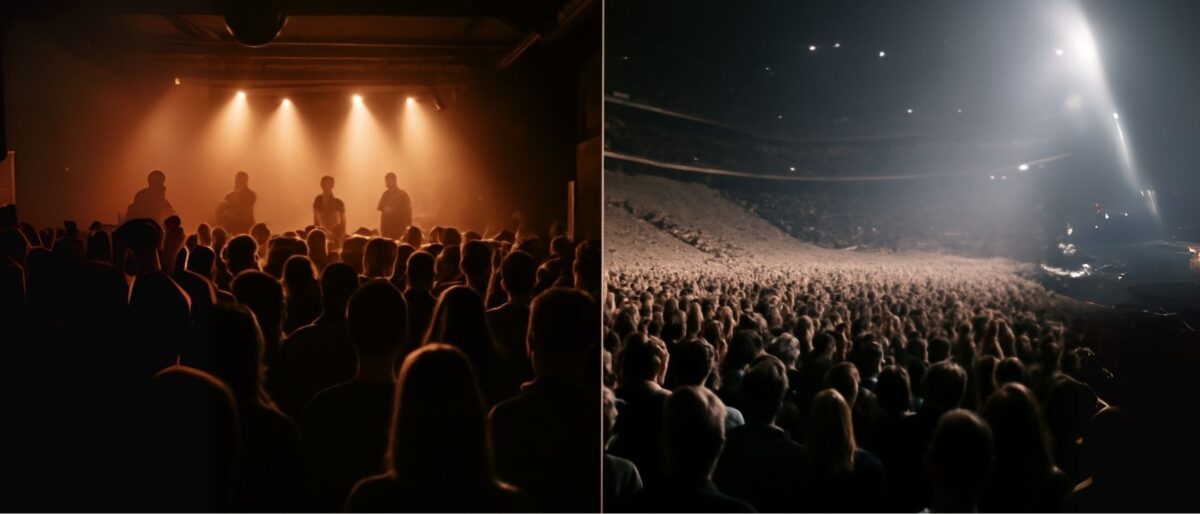
Not all venues run the same, and knowing the differences can shape how early you should show up. Small clubs and theaters usually have faster entry, shorter lines, and less security, so arriving close to showtime often works. Large arenas, by contrast, involve bigger crowds and more procedures, which means you’ll want extra buffer time.
Security also varies by location. Some venues require detailed bag checks, metal detectors, or even pat-downs. These steps can slow entry, especially if you arrive with the main rush. Reading venue policies in advance and traveling light can save time at the gate.
Parking is another factor. Arenas with limited garages or lots fill up fast, leading to long waits or hikes from distant overflow areas. Smaller walk-in theaters often make arrival easier, particularly if they’re connected to public transport. Planning for your specific venue helps prevent last-minute frustration.
Finally, weather can influence timing at outdoor venues. On a hot day, you may want to avoid standing in the sun too long before doors. On colder nights, arriving earlier might help you secure a warmer, sheltered spot. Factoring in the environment ensures your experience stays comfortable as well as enjoyable.
Travel and Transportation Considerations
Getting to a concert on time often depends less on the ticket in your hand and more on the route you take. Public transit is a reliable option in many cities, but trains and buses may run less frequently at night. Checking schedules ahead of time prevents surprises when you’re trying to get home.
Traffic near big venues can also become a headache. Streets clog quickly as thousands of fans arrive around the same time, and parking lots back up with cars waiting to enter. Leaving earlier than you think you need to is one of the simplest ways to avoid sitting in a jam while the opener starts without you.
For those using rideshare, be ready for price surges. Demand spikes right before and after concerts, so booking your ride earlier or walking a short distance away from the main crowd can save both time and money. Many apps also allow you to share trip details with friends, adding a safety net along the way.
No matter your mode of travel, always leave a buffer. Weather delays, detours, or unexpected lines can add minutes—or even hours—to your arrival. Building extra time into your plan keeps stress low and helps ensure you’re in your seat or at the barricade when the lights go down.
Special Situations

Some concerts come with circumstances that change the usual rules of arrival. VIP or meet-and-greet packages, for example, often require you to arrive much earlier than the general audience. These perks usually include early entry, soundcheck access, or photo opportunities, and missing the check-in time can mean losing out on what you paid extra for.
Accessibility needs are another factor. Venues typically provide ADA seating, elevators, or early entry accommodations, but planning ahead is key. Arriving early ensures you have enough time to connect with staff, get to your seat comfortably, and avoid the stress of navigating crowded areas at the last minute.
Families with children also benefit from arriving earlier. Getting settled before the crowd rush allows time for bathroom breaks, grabbing snacks, and finding seats without the pressure of long lines. A calm start makes the experience more enjoyable for both kids and parents.
Finally, your experience level plays a role. First-time concertgoers often feel more comfortable arriving early, giving themselves extra time to understand the flow of security, ticket scanning, and seating. More seasoned fans may know how to time their entry perfectly, but for most people, a little extra time is the safer bet.
Tips for Waiting Comfortably
Long waits are part of many concert experiences, especially for general admission shows. A little preparation goes a long way in making the hours before the music starts more bearable. Bringing water and light snacks—if the venue allows them—keeps your energy up and helps prevent the mid-line slump.
Outdoor shows require some extra thought. Dress for the weather, whether that means layering up for chilly nights or wearing breathable fabrics on hot afternoons. A small poncho or light jacket can be a lifesaver if rain suddenly rolls in while you’re stuck outside.
Phones drain quickly when you’re scrolling, texting, or filming once inside, so a portable charger is essential. Having backup power ensures you can stay in touch, share your location, and capture moments without worrying about a dead battery halfway through the set.
For longer general admission waits, lightweight seating like a foldable stool or cushion can make hours on the sidewalk far more comfortable. Just be sure it’s something you can easily carry once you’re inside.
Most importantly, patience is key. Waiting in line doesn’t have to feel like wasted time—chat with other fans, listen to music, or simply soak in the pre-show buzz. Treating the wait as part of the overall experience makes it easier and even enjoyable.
Quick Guidelines (By Event Type)
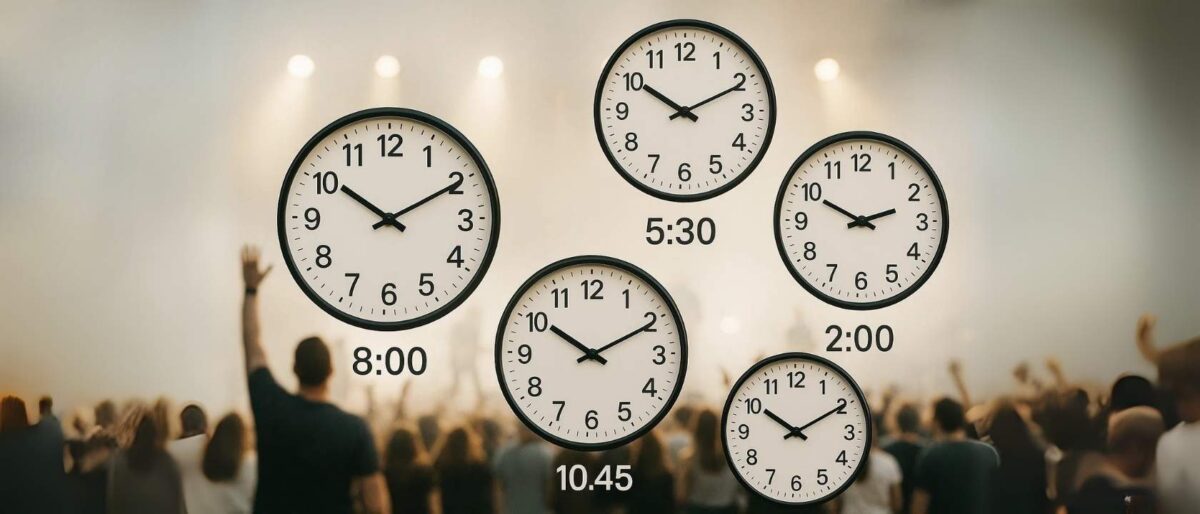
If you’re unsure how early to arrive, use these simple benchmarks to match your goals and the type of event you’re attending:
- GA pit show: Arrive 3–6 hours early if you want to be right up against the stage. Hardcore fans often line up even longer, but this window balances closeness with comfort.
- GA but casual: Showing up 1–2 hours before doors open usually lands you a solid spot without an all-day wait.
- Assigned seating: Plan for 30–60 minutes before showtime. You’ll avoid parking stress, have time for security, and still catch the opener comfortably.
- Festivals: For front-row at the main stage, get to the gates before opening. If you’re pacing yourself for an all-day experience, arriving later in the afternoon works fine too.
- VIP/meet-and-greet: Always follow the instructions from your package. These often require you to arrive hours early to check in and participate in exclusive perks.
These guidelines aren’t rigid rules, but they give you a clear starting point. Adjust based on your priorities—whether that’s being in the front row or simply enjoying a relaxed, stress-free night.
Conclusion
The best time to arrive at a concert depends on what you want from the night. If you’re chasing front-row views, plan to line up hours in advance. For a more relaxed entry or a family-friendly pace, arriving closer to showtime still works as long as you’ve planned ahead.
A little preparation—checking travel, reviewing venue policies, and leaving a time buffer—turns the difference between a stressful rush and a smooth start. Whether it’s a massive festival, an intimate club, or a seated arena, arriving early enough keeps you calm and ready to enjoy the music.
In the end, it’s always better to be early and relaxed than late and stressed. Show up prepared, enjoy the moment, and let the night unfold the way you planned.
Frequently Asked Questions
How early should I arrive for a concert with reserved seats?
If you have reserved seats, arriving 30–45 minutes before showtime is usually enough. You’ll have time for security, a bathroom break, and finding your section without rushing.
How early should I arrive for a GA floor or pit show?
For GA or pit, serious fans often line up 1–3 hours before doors to get close to the stage. If you just want to be in the room, arriving when doors open is usually fine.
Do I need to arrive earlier for VIP tickets?
Yes. VIP packages often have separate check-in times for early entry, lounges, or meet-and-greets. Always read the instructions in your confirmation email and plan to be there 30–60 minutes before the listed VIP time.
Is arriving when doors open too early?
Not necessarily. Getting there when doors open gives you the most relaxed experience: shorter lines, better parking, and time to grab merch or snacks before the opener.
How does venue security affect when I should arrive?
Bag checks, metal detectors, and ID checks can slow lines down, especially at arenas and stadiums. On busy nights, add at least 15–20 minutes to your usual arrival window.
Should I arrive earlier for stadium and arena shows?
Yes. Big venues mean bigger crowds and longer walks from parking to your seat. Aim to arrive 60–90 minutes before showtime for sold-out arena and stadium concerts.
What if I’m running late and the show has already started?
You’ll usually still be allowed in, but you may miss the opener or part of the headliner. For seated shows, ushers might hold you at the aisle until there’s a break between songs.
When is the best time to buy merch at a concert?
The fastest times are right when doors open or immediately after the show ends. Lines are longest 15–30 minutes before the headliner goes on and right after their set.
How early should I plan to arrive if I’m using public transportation?
Check the schedule and allow a buffer for delays. It’s smart to plan to get to the venue area at least an hour before showtime so you’re not stressed by crowded trains or buses.
How early should I arrive if I’m bringing kids to a concert?
With kids, aim for the early side—around when doors open. You’ll move more slowly through crowds, and you may need extra time for bathroom trips, snacks, and getting settled in your seats.