Total Cost of Seeing a Show: Tickets, Food, Parking & More
August 18, 2025
Are Live Albums Better Than Studio Versions?
August 18, 2025Why Fans Follow Artists from City to City: The Superfan Phenomenon
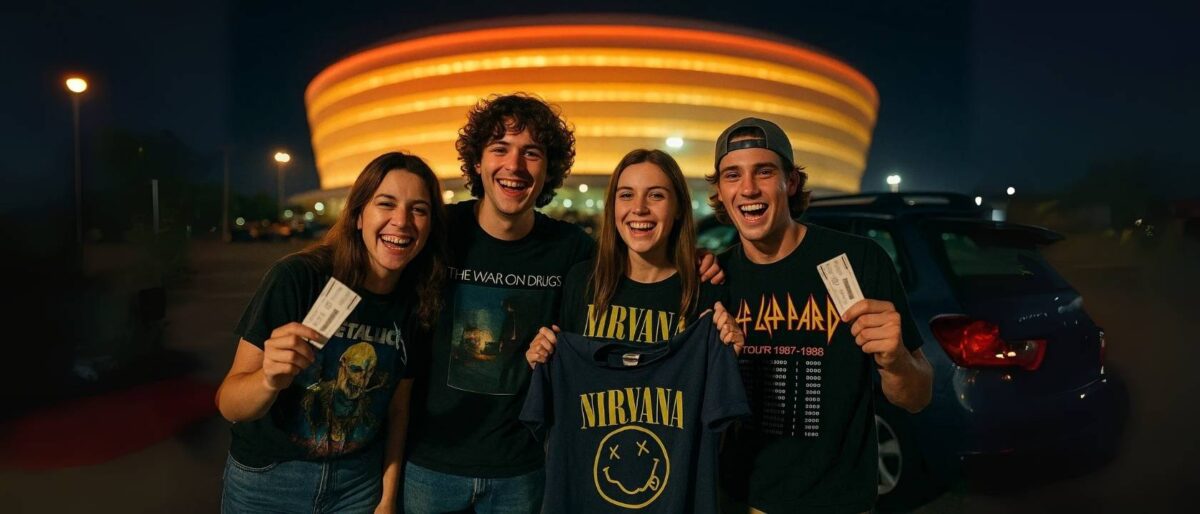
Some fans don’t stop at one show. They chase tours from city to city, turning concerts into road trips and routines into rituals. These superfans pour time, money, and energy into their devotion. But what drives this dedication, and why does the phenomenon keep growing across generations and genres?
What Makes a Superfan?
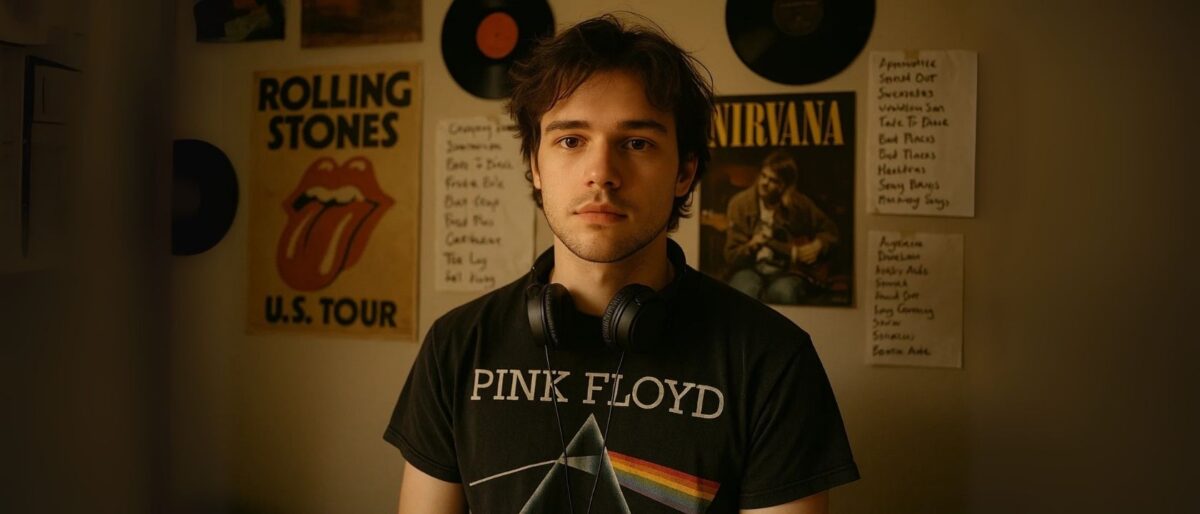
A superfan isn’t just someone who knows every lyric. It’s a person whose emotional attachment to the music goes deeper, tying an artist’s songs to their own identity. For some, the music becomes the soundtrack to life’s highs and lows, making the performer feel more like a companion than a celebrity. That bond fuels loyalty that lasts for years.
But it’s not only about the artist—it’s about the community. Being part of a fandom offers belonging. From trading setlists online to camping out in ticket lines, superfans find friends who “get it.” The shared language, inside jokes, and group rituals turn a simple concert into a family gathering.
The dedication shows in ways casual listeners wouldn’t dream of. Superfans travel hundreds of miles for multiple shows, rearrange work schedules, and spend significant sums on tickets, hotels, and merch. They invest more than money; they invest time and energy into building memories that matter to them.
History has plenty of examples. “Deadheads” followed the Grateful Dead for decades, building a traveling subculture. Broadway devotees see the same show dozens of times, sometimes in different countries. Sports die-hards travel for away games with the same passion. Whether it’s rock tours, musicals, or championships, superfans elevate entertainment into a way of life.
The Motivations Behind Following Tours
So why do people pack bags and chase the same artist across multiple cities? For many, it starts with the desire for repeat experiences. No two shows are identical—setlists shift, crowd energy changes, and spontaneous moments create memories unique to each stop. That unpredictability makes seeing the same tour again feel fresh every time.
Another powerful pull is the connection to other fans. Traveling together or meeting up at venues turns strangers into close friends. Shared hotels, late-night diner stops, and hours in merch lines build bonds that often outlast the tour itself. The community becomes as important as the music.
There’s also the element of escapism. Touring with an artist means combining the thrill of live music with the joy of travel. Each new city offers different food, culture, and sights, transforming fandom into adventure. For some, following a band doubles as their version of vacation.
Of course, bragging rights matter. Superfans collect memorabilia, ticket stubs, and exclusive merch, while documenting every step on social media. Posting selfies from front row spots earns recognition both online and within fan circles. Finally, there’s the irresistible thrill of the chase—waiting outside venues, spotting tour buses, or even snagging a meet-and-greet. That electric chance of seeing an idol up close keeps the journey exciting from start to finish.
Financial Commitment & Lifestyle Choices
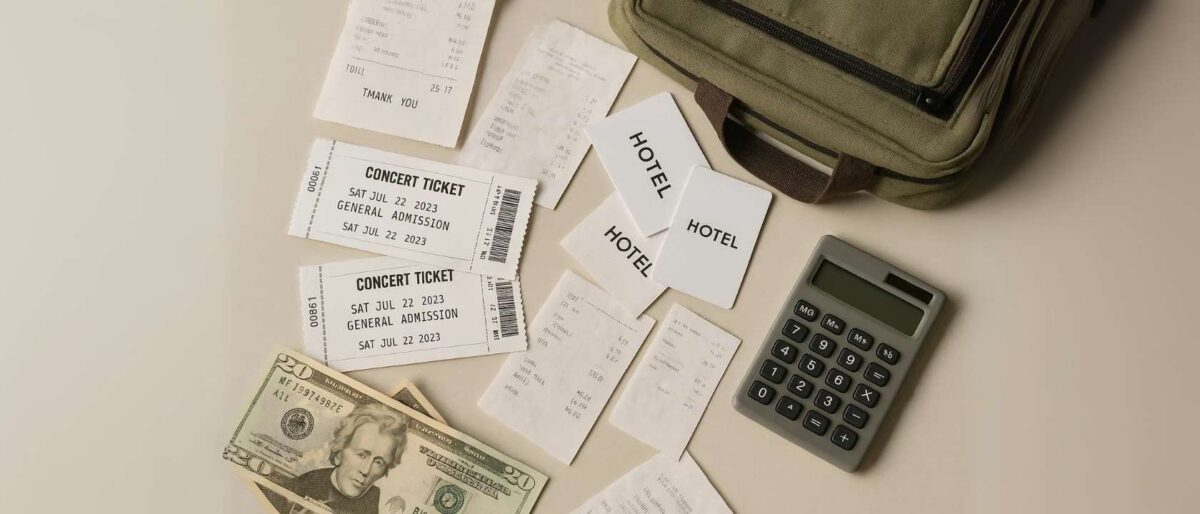
Following an artist on tour isn’t cheap—it’s a serious financial commitment. When you add up tickets ($100–$300 each), hotels ($150 a night), food and travel ($50–$200 per city), and merchandise ($40–$80 per item), the total can rival the cost of a luxury vacation. For some superfans, this isn’t a one-time splurge but a lifestyle choice that shapes their budgets year after year.
To make it work, many develop clever budgeting strategies. Some pick up extra shifts, use airline miles or hotel points, or carpool to cut down on expenses. Others plan months in advance, setting aside savings specifically for tours. Superfans often trade off traditional luxuries—skipping vacations, dining out less, or postponing big purchases—because live shows hold higher value in their personal hierarchy.
There are countless stories of people who prioritize concerts over conventional spending. Some choose shows over summer holidays, while others joke about living on ramen to afford another round of tickets. The passion is so strong that sacrifices feel less like burdens and more like part of the adventure.
Affordability also gets a boost from reselling and loyalty programs. Verified resale platforms let superfans recoup costs if plans change, while fan clubs and membership perks sometimes offer discounted presales or bundled packages. These tools don’t erase the costs, but they help superfans stretch dollars further—making the dream of following an artist city to city a little more sustainable.
The Role of Social Media & Fan Communities
Without social media, the superfan phenomenon wouldn’t burn as brightly. Platforms like Instagram, TikTok, and Twitter amplify the experience, letting fans share clips, photos, and reactions in real time. A moment on stage in one city spreads instantly to followers worldwide, making each show feel like part of a bigger story.
Fans also lean on hashtags and live streaming to create collective experiences. Whether it’s a trending tag for a tour or a fan going live from the pit, the digital sphere becomes an extension of the arena. People who can’t attend still feel included, and those who do attend get a chance to relive highlights.
Behind the scenes, fan clubs, Discord servers, and Reddit threads play a practical role. They coordinate meetups, share travel tips, and even swap tickets or rides. For many superfans, the friendships formed in these online spaces are as meaningful as the shows themselves. The sense of belonging cements loyalty and keeps people coming back tour after tour.
Perhaps the most addictive part is the recognition. When an artist reposts a fan’s video, replies to a tweet, or gives a shout-out from the stage, it validates the effort. That moment of acknowledgment feels priceless—and it’s fuel that drives many superfans to buy another ticket, pack another bag, and keep the journey alive.
Artist Perspective: Why Superfans Matter
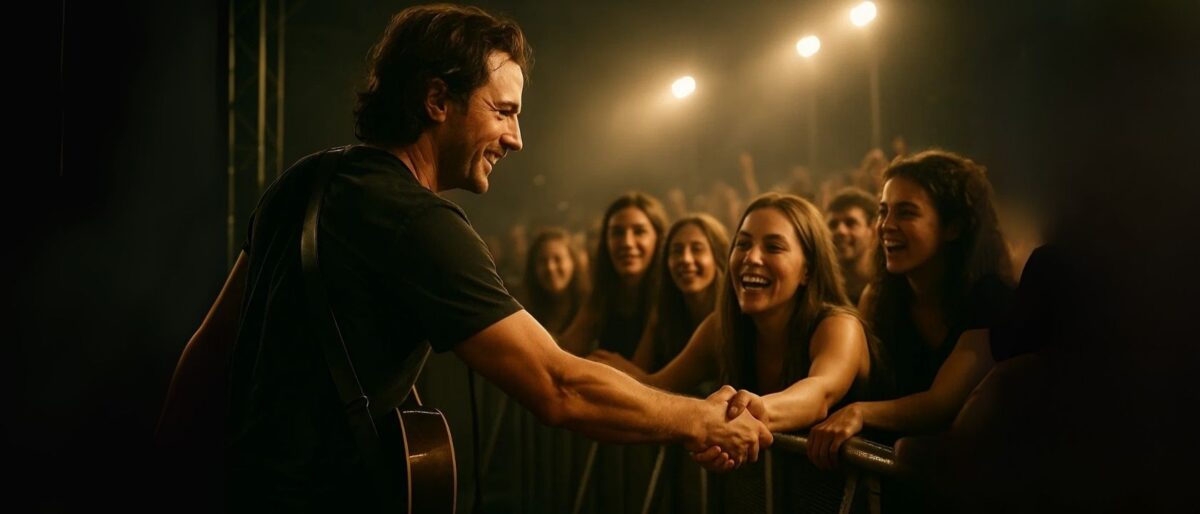
From the artist’s side, superfans are more than enthusiastic supporters—they’re a vital part of the ecosystem. Economically, they’re the ones who buy multiple tickets across cities, invest in VIP packages, and stock up on merch at every stop. That consistent spending fuels tours and makes ambitious productions possible. A handful of superfans can generate the revenue of dozens of casual attendees.
But it isn’t all about money. There’s an emotional bond that builds when the same faces appear night after night. Many artists learn to spot regulars in the crowd, offering waves, smiles, or even calling them out by name. That recognition creates a loop of loyalty—fans feel valued, and artists feel supported by a core community that shows up no matter what.
Superfans also double as powerful word-of-mouth marketers. They post clips, write reviews, and share personal stories that entice others to buy tickets. Their excitement is contagious, creating momentum far beyond the venue walls. Social platforms amplify this effect, turning dedicated fans into unofficial promoters.
Plenty of performers acknowledge superfans directly. Harry Styles has stopped shows to talk to familiar faces in the pit. Taylor Swift has invited loyal fans backstage. Broadway actors have thanked frequent audience members from the stage. These moments underline a truth: superfans don’t just consume entertainment—they help sustain and spread it.
The Cultural Impact of the Superfan Phenomenon
The superfan story isn’t new—it echoes historical fandoms that shaped music culture for decades. The Grateful Dead’s “Deadheads” built a mobile community that crisscrossed America. Phish fans carried the torch with their own nomadic tradition, while Beatlemania showed how devotion could erupt on a global scale. Today’s superfans are part of that lineage, using flights and social media instead of vans and handwritten flyers.
Their travels also boost local economies. Each stop on a tour means hotels filled, restaurants crowded, and venues thriving. A city can see millions in revenue ripple through when dedicated fans arrive, spend freely, and often linger longer than a single night. In this way, superfans serve as a traveling stimulus package for entertainment hubs.
Beyond dollars, superfandom bleeds into broader culture. Memes born from live show moments spread online. Tour merch inspires fashion trends that leap from arenas to streetwear. Inside jokes—whether it’s a lyric shout-out or a dance move—turn into cultural shorthand recognized far beyond the fanbase.
What begins as devotion often blurs into lifestyle. Following tours shapes calendars, friendships, and even personal identity. For many, it’s less a hobby and more a way of living, where fandom guides choices as deeply as career or family commitments. In that sense, the cultural impact of superfans stretches far beyond the music itself.
Potential Downsides of Superfandom

For all its passion and joy, superfandom isn’t without its shadows. One of the biggest challenges is financial strain. Tickets, travel, hotels, and merch add up quickly, and some fans push themselves into debt chasing experiences they can’t fully afford. What feels like devotion in the moment can become a financial headache later.
There’s also the risk of burnout. Constant travel, late nights, and the emotional intensity of repeated shows can leave fans drained. What starts as thrilling can turn exhausting when every weekend is spent on the road, away from normal routines and rest.
Safety concerns are another factor. Traveling alone to unfamiliar cities or waiting outside venues late at night carries risks. While many superfans find community and safety in groups, not everyone has that support, and the pursuit of closeness to an artist can sometimes put fans in vulnerable situations.
Finally, there’s the stigma. Society often labels superfans as obsessive or irrational, reducing their dedication to caricature. While some wear the label proudly, others feel the sting of judgment from friends, family, or strangers who don’t understand the depth of their connection. Balancing passion with practicality is a constant challenge—and one that every superfan must face on their own terms.
Why the Phenomenon Isn’t Going Away
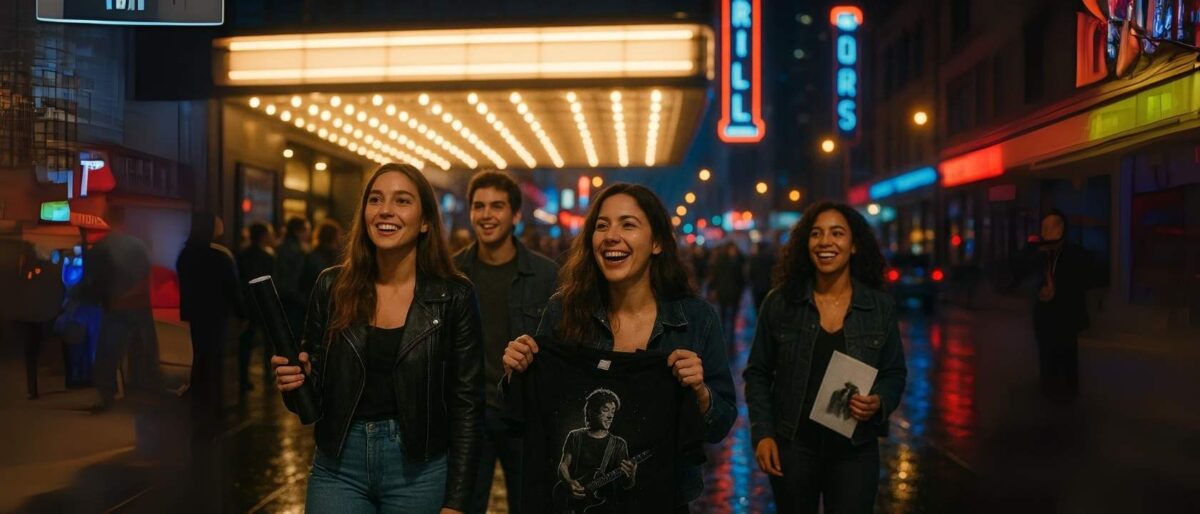
Superfandom has survived decades of changing trends, and it shows no signs of slowing down. For many, live shows function like a modern pilgrimage—ritual journeys where the destination isn’t a sacred site but a stage where music becomes transformative. The act of traveling city to city creates meaning far beyond the performance itself.
It also ties into a cultural shift: people are choosing experiences over material goods. A night in the front row or a weekend traveling with fellow fans feels more valuable than buying another gadget. These moments become memories that last, shared stories that outlive the price of a ticket.
Music also serves as both identity and therapy. Following a tour allows fans to continually reconnect with songs that give comfort, strength, or joy. Each show becomes a chance to recharge emotionally, making the journey as much about personal well-being as entertainment.
On the industry side, tours are structured to encourage repeat attendance. Artists shake up setlists, debut songs in select cities, or offer city-exclusive merch. That deliberate variety makes every stop feel special and nudges fans to attend more than once. Together, these forces ensure the superfan phenomenon isn’t fading—it’s evolving with the music itself.
Conclusion
Superfandom is a mix of beauty and cost. It shows how far people will go when music becomes more than background noise—it becomes identity, friendship, and fuel. The dedication brings unforgettable highs but also demands sacrifices, from money to energy. Both the joy and the challenges are part of the story. So the next time you see superfans lining up city after city, you’ll know there’s more than obsession at play—it’s passion, purpose, and the pursuit of something that makes them feel alive.