How to Spot Fake Event Tickets and Avoid Scams | Safe Buying Guide
September 1, 2025
Are Old Broadway Theaters Haunted? Myths & Stories
September 1, 2025Why Live Music Gives Us Goosebumps | Neuroscience Behind Musical Chills
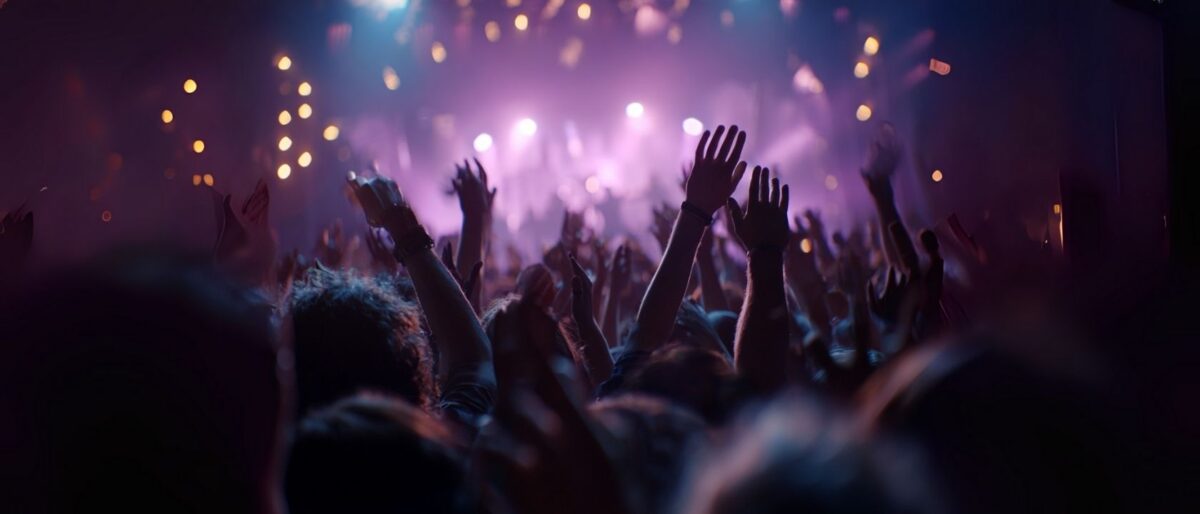
Ever felt shivers down your spine when a singer holds a note or when the bass drops live? Those goosebumps aren’t random—they’re your brain and body dancing together. Neuroscience shows how live music stirs dopamine, memory, and emotion, creating moments that feel bigger than ourselves.
What Happens in the Brain When We Hear Music
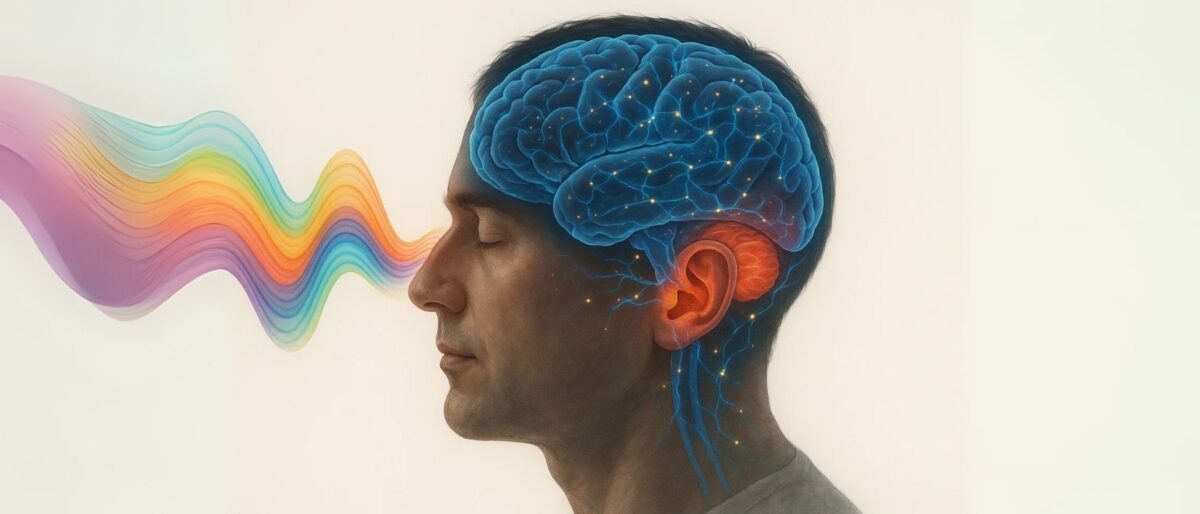
When sound waves hit your ears, the auditory cortex springs into action. But the magic doesn’t stop there. The limbic system—the brain’s emotional hub—lights up, processing rhythm and melody alongside raw feelings. This is why a simple tune can tug at your heart as much as your head.
Dopamine, the brain’s “feel-good” chemical, flows strongest in moments of anticipation and release. Think of that hush before a chorus explodes or the instant a note soars higher than expected. Those peaks mimic the same reward circuits that fire for food, romance, or even a satisfying achievement.
Memory plays its own part. Songs can act like keys, unlocking emotions tied to past experiences. A single riff might drag you back to high school dances, heartbreaks, or weddings. This blending of sound and memory explains why certain melodies feel impossible to forget.
In short, the brain treats music like a reward. Much like a delicious meal or falling in love, it activates systems wired to give us pleasure. That’s why hearing the right chord progression can feel as nourishing as a bite of chocolate or as thrilling as a first kiss.
Why Live Music Hits Harder Than Recordings
Listening to a track at home might move you, but standing in a crowd while the same song blasts through speakers is an entirely different beast. Live music floods your senses with sound, light, and the pulse of bodies moving together. It’s not only hearing—it’s immersion.
The crowd adds fuel. Emotional contagion spreads fast when thousands of voices cheer, sing, or sway in sync. Your brain mirrors the energy around you, and what starts as excitement in one corner of the venue ripples until everyone feels lifted by the same wave.
Performers themselves drive a deeper connection. Mirror neurons in your brain fire when you see a singer’s face straining on a high note or a guitarist losing themselves in a solo. You’re not simply watching; your brain is, in a sense, participating in the performance.
Then there’s the raw power of volume and vibration. Deep bass shakes the floor and your chest, activating touch as well as hearing. The body feels every beat, turning music into a physical experience as much as an auditory one. That layered stimulation makes live music unforgettable.
The Physiology of Goosebumps
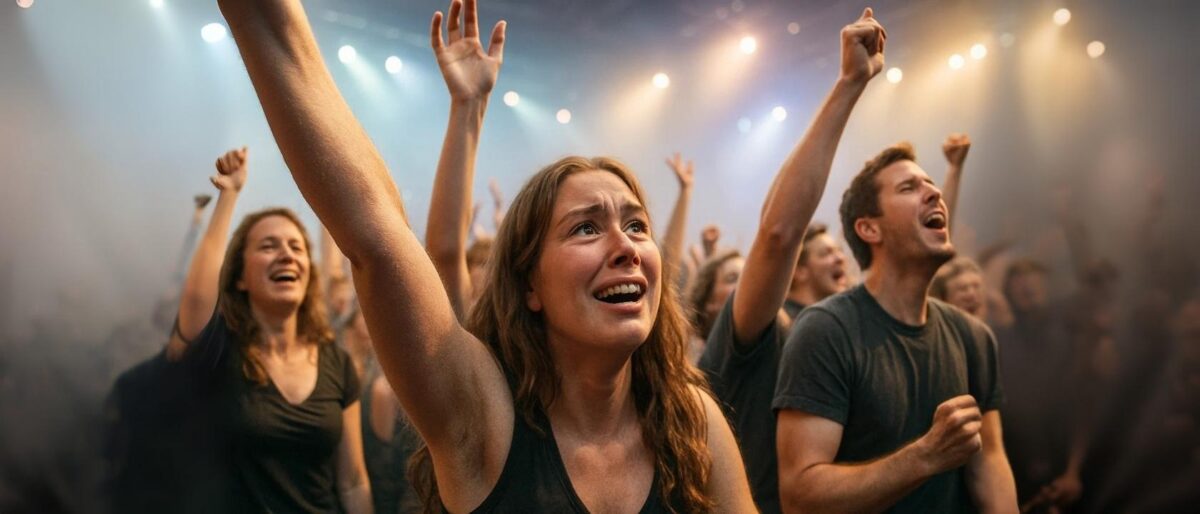
When a song grips you so hard that the hair on your arms rises, you’re experiencing a reflex called piloerection. It’s driven by the autonomic nervous system, the same one that controls breathing and heartbeat. Unlike tapping your foot, this reaction isn’t voluntary—it’s your body responding before you think.
The roots of goosebumps stretch back to survival. Early humans fluffed their body hair when cold or scared, making themselves warmer or more intimidating. Though we’ve lost that protective coat, the reflex remains. Music can trigger the same pathways once reserved for chills, fear, or awe.
Scientists call this sensation “frisson,” a French word for shiver. It’s the technical term for those electric tingles that run down your spine during peak moments of music. Unlike fear, though, frisson is pleasant—a thrill without danger attached.
Certain musical tricks are especially good at sparking it. A sudden key change, a well-timed silence, or a soaring vocal note can flip the switch instantly. That rush of sound surprises the brain, and in the gap between expectation and reality, goosebumps bloom.
Emotional Triggers That Cause Musical Frisson
Goosebumps often strike when music surprises or overwhelms us. One common trigger is a dramatic shift in dynamics. A song that drops from whisper-quiet to thunder-loud—or pauses completely before exploding again—catches the brain off guard. That contrast makes the nervous system fire, and the skin responds with shivers.
Harmony plays its part too. Unexpected key changes or unusual chord progressions bend our expectations. The brain predicts one resolution but receives another, creating a rush of surprise mixed with delight. That mismatch between what you expect and what you hear fuels the frisson effect.
Familiar songs carry their own weight. Hearing a track you’ve loved for years performed live can unleash stored-up anticipation. When that long-awaited chorus finally hits, the mix of nostalgia and fulfillment produces a physical response that no studio recording can match.
Moments of unity also spark chills. When thousands of voices chant a refrain together, the shared emotion magnifies your own. Add lyrics that strike deeply—whether tied to cultural identity, social struggle, or personal memories—and goosebumps become almost inevitable. Music becomes more than sound; it becomes connection.
The Social Neuroscience of Concerts
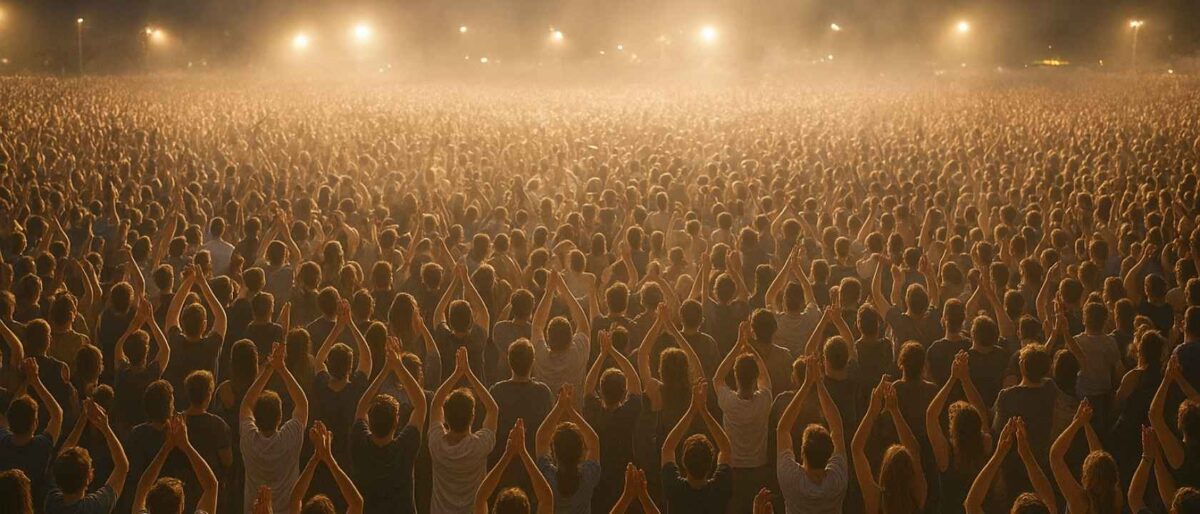
Concerts don’t just sound good—they sync us together. Research shows that as the beat pounds, heart rates and breathing patterns in a crowd start to align with the rhythm and even with each other. This synchronization turns a collection of strangers into a single, pulsing organism.
Shared emotion releases oxytocin, the so-called bonding hormone. It’s the same chemical that strengthens trust and closeness in friendships or families. In a live music setting, oxytocin helps explain why hugging a stranger during an encore feels natural rather than awkward.
Sociologists call the crowd energy collective effervescence. The joy, tension, and release spread quickly across a sea of fans. Each individual emotion amplifies others, creating waves of intensity that no one could generate alone. You don’t just watch the show—you ride it together.
This merging of bodies, minds, and feelings fosters something bigger than entertainment. For many, a concert is one of the rare moments of feeling part of something larger than oneself. It’s a reminder that music doesn’t just move us individually; it binds us collectively.
Personality Traits and Musical Chills
Not everyone gets goosebumps from music, and that’s no accident. Studies show that personality plays a big role in whether frisson strikes. People high in openness to experience—those curious, imaginative, and drawn to art—report chills more often. Their brains seem primed to welcome surprise and beauty in sound.
Empathy and sensitivity also predict stronger responses. Listeners who easily tune into others’ emotions are more likely to feel shivers during a moving performance. When a singer pours raw feeling into a lyric, empathetic listeners absorb that emotion almost as if it were their own, triggering a physical reaction.
On the flip side, some people never experience musical chills. Researchers suggest their brains may process sound differently, or they may be less responsive to novelty and emotional shifts in music. For them, songs can still be enjoyable, but the physiological rush of goosebumps remains elusive.
These differences highlight how deeply personal frisson is. What sparks chills in one person may leave another unaffected, showing that music’s power depends not only on notes and rhythms but also on who’s listening.
Cultural and Contextual Factors

Music doesn’t live in a vacuum—it carries cultural weight and personal meaning that can intensify goosebumps. National anthems, religious hymns, and protest songs often trigger chills because they tap into shared identity. Singing them in a crowd magnifies that effect, uniting people under a single voice and cause.
Shared history also plays a role. Certain songs become symbols of a time, a movement, or a collective struggle. Hearing them reignites the emotions of that era, even for those who didn’t experience it firsthand. The chills aren’t just about the melody—they’re about what the melody represents.
On a personal level, associations make music even more powerful. A wedding song may always spark tingles because it recalls a life-changing moment. A childhood lullaby can transport you back to a place of comfort and safety. These personal links blend memory with sound, creating stronger frisson than the notes alone could provide.
Whether collective or individual, context amplifies the body’s response. It’s why two people hearing the same song can react so differently—one with shivers, the other with silence.
Practical Tips: How to Maximize the Goosebump Effect
If you’re chasing those spine-tingling shivers, a few habits can make them more likely. The first step is simple: experience music live. Recordings are powerful, but nothing beats the multi-sensory immersion of being in the same room with the performers and the crowd.
While listening, pay attention to the build-ups, crescendos, and sudden drops. These shifts are common frisson triggers, and tuning in closely can help your body respond more fully. Instead of letting music play in the background, give it your full attention.
Sharing the moment also matters. Attend shows with friends or groups to amplify the emotional charge. When people around you gasp, cheer, or sing in unison, your brain mirrors their reactions, intensifying your own response. Crowd energy is contagious in the best possible way.
Finally, practice mindfulness. Let the sound wash over you without distraction. Put your phone away, close your eyes if you want, and surrender to the experience. Goosebumps often come when you’re most open, present, and vulnerable to the music’s impact.
Conclusion
Those shivers racing down your spine at a concert aren’t random quirks. Goosebumps are the body’s way of showing that sound has reached deep into your brain and nervous system. They signal a powerful brain-body response that connects rhythm, memory, and emotion in a single instant.
Music’s ability to move us is both universal and personal. While the same chord progression might leave one listener cold and another in tears, the potential is always there. It ties culture to identity, memory to meaning, and people to one another in ways few experiences can match.
Live music proves this over and over. It’s not simply entertainment—it’s a necessity, feeding us biologically and emotionally. From stadium anthems to intimate acoustic sets, these moments remind us why humans have always gathered to share songs: because nothing else unites the brain, body, and heart quite the same way.