Myths About Outdoor Music Festivals: What’s True & What Isn’t
September 2, 2025
How to Upgrade Your Concert Tickets: Upgrades, Refurbs & Add-ons
September 3, 2025Why Most Concerts & Shows Last Around 2 Hours | Explained
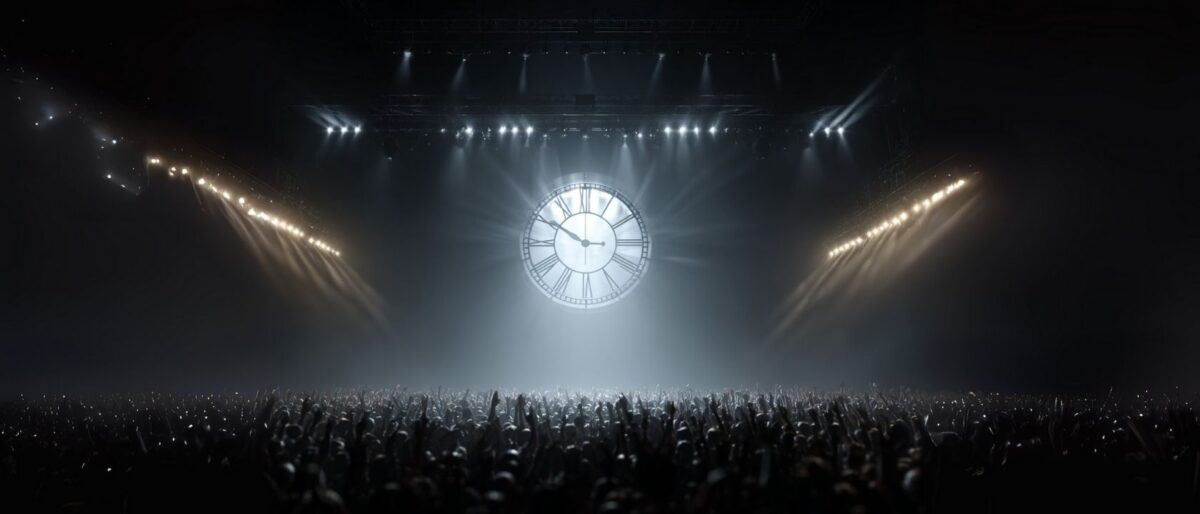
Ever notice most concerts, plays, and comedy nights clock in at about two hours? That length isn’t random. Tradition, biology, and logistics converge to hit a sweet spot for focus, energy, and flow. This quick guide shows why two hours feels full, not bloated, and how it shapes your night.
The Historical Roots of Performance Length
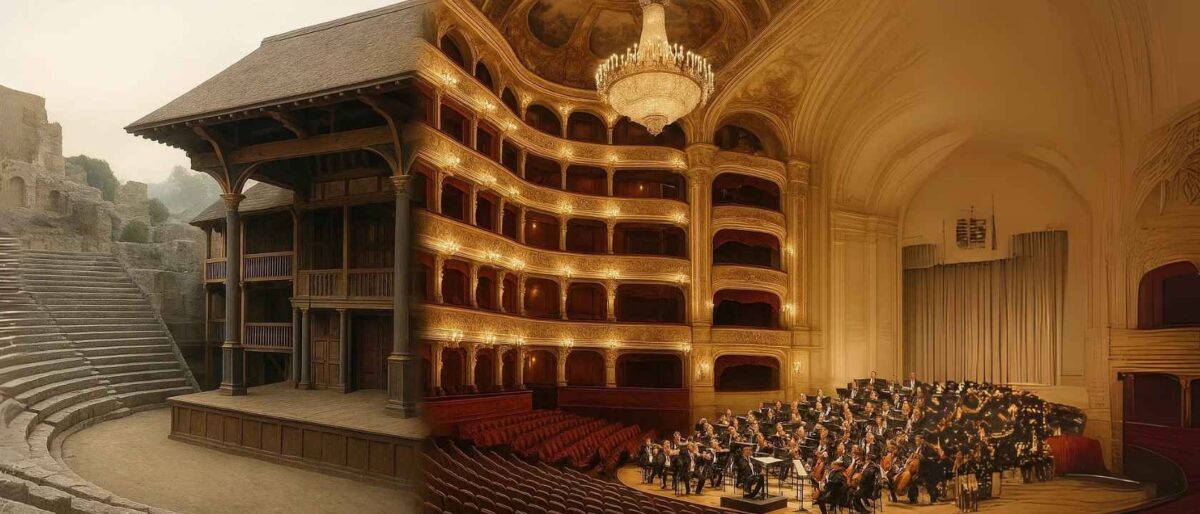
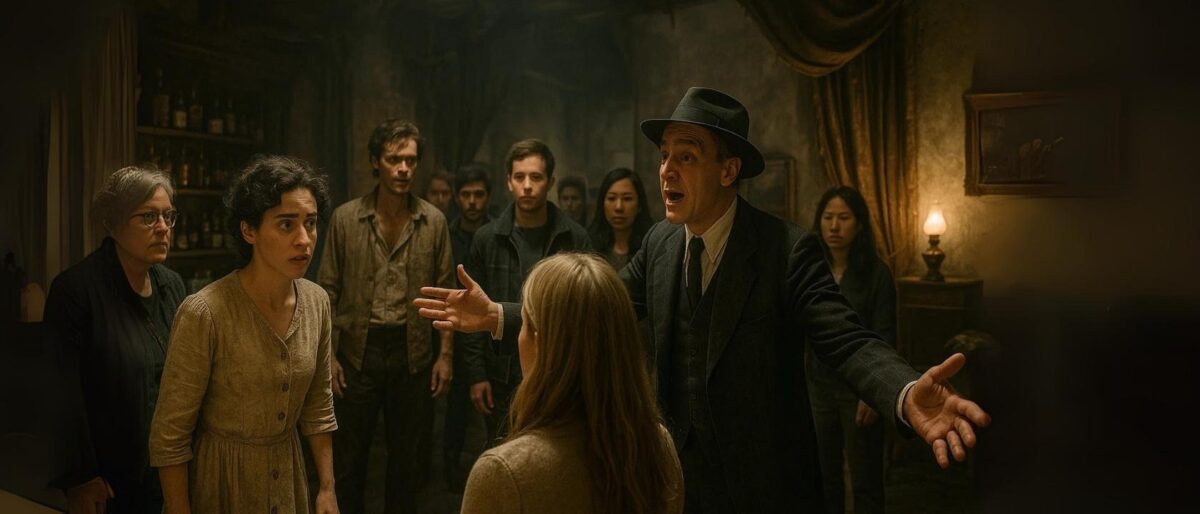
The two-hour standard isn’t a modern invention—it’s rooted in centuries of performance tradition. Ancient Greek plays often stretched across a few hours, broken into acts and choruses that gave audiences time to absorb the drama. Shakespeare’s plays in Elizabethan England also hovered around the two-hour mark, setting a rhythm audiences grew used to.
As music evolved, classical concerts followed suit. Symphonies by composers like Beethoven or Mozart typically lasted between 90 minutes and two hours, balancing the complexity of the music with the endurance of performers and listeners. This timing allowed for multiple movements without overwhelming the audience.
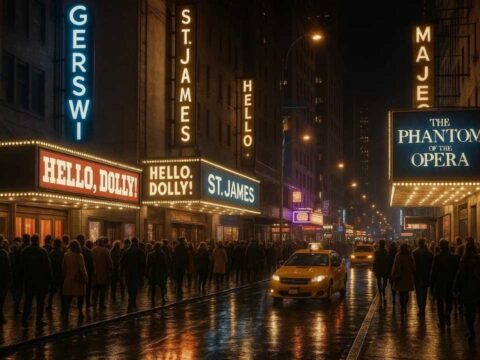
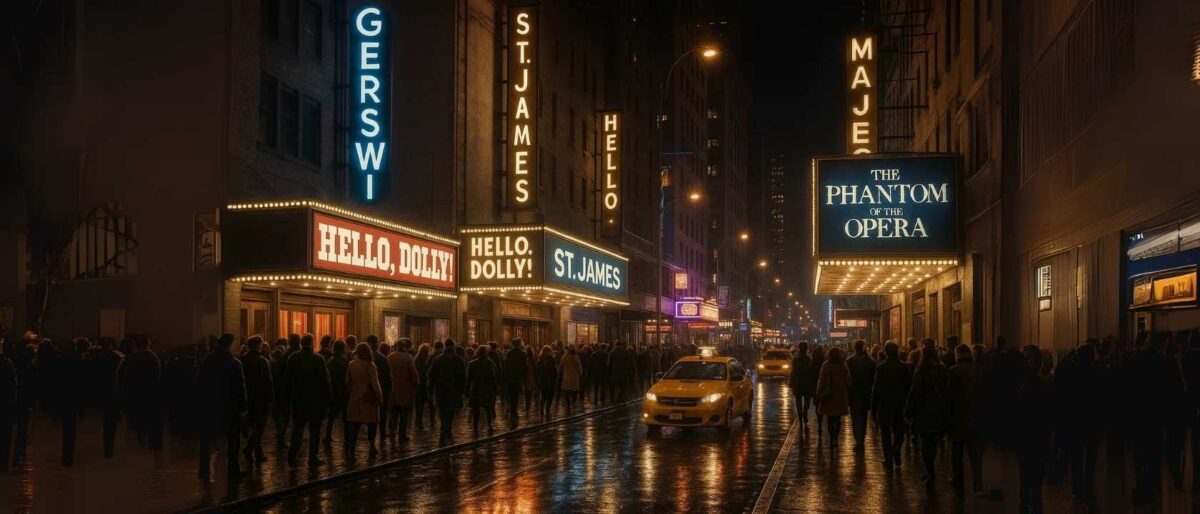
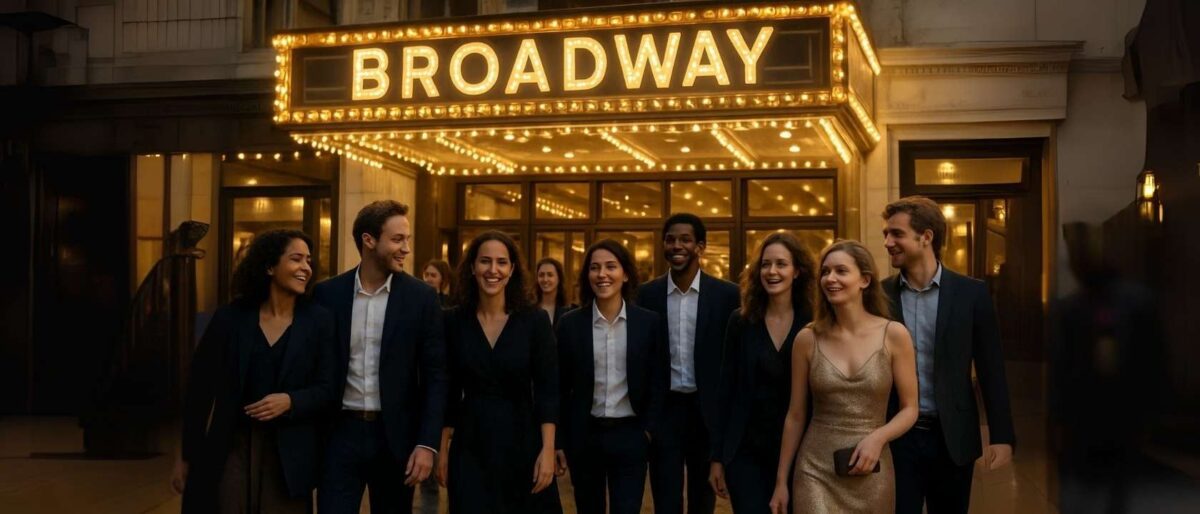
When Broadway and West End theater rose to prominence, they embraced this format. A standard show runs close to two hours, often split into two acts with an intermission. This structure became not only tradition but also an expectation, keeping crowds engaged while leaving room for social breaks and refreshments.
Modern concerts and comedy shows continue this lineage. While setlists and genres vary, the overall window stays surprisingly consistent. Audiences worldwide have grown accustomed to this sweet spot, making it both a cultural inheritance and a practical standard for live entertainment.
The Biology of Audience Attention
Two hours aligns neatly with how long people can stay locked in before fatigue takes over. Studies show that human attention typically peaks somewhere between 90 and 120 minutes. Past that window, focus starts to fade, and even the most captivating performance risks losing its grip.
This isn’t about willpower—it’s about cognitive load. Sitting, watching, and processing constant sensory input for longer than two hours pushes the brain into fatigue. Instead of deep engagement, the audience drifts, checks watches, or tunes out. That decline dulls the impact of a performance that might otherwise shine.
Live music and theater lean heavily on emotional connection. A strong ballad, a dramatic monologue, or a punchline lands best when listeners are alert and emotionally present. Stretching too far past the two-hour mark risks numbing that engagement rather than amplifying it.
Performers themselves work within this biological rhythm. Musicians pace setlists, comedians time routines, and actors structure acts around an energy curve that mirrors audience focus. By staying inside the natural 90–120 minute zone, both sides—audience and performer—ride the same wave of attention and emotion to the finish line.
The Physical Demands on Performers
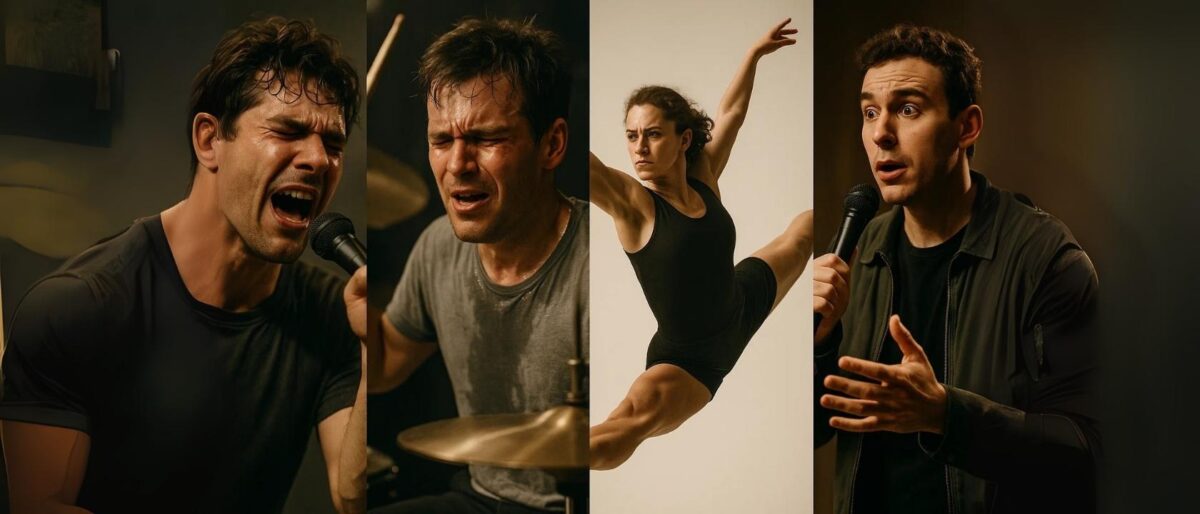
Audiences aren’t the only ones with limits. Performers also walk a fine line between delivering energy and protecting their bodies. For singers, actors, and comedians, the voice is their primary tool. Vocal cords can handle about two hours of sustained use before strain sets in, making that duration a safe ceiling for most shows.
Instrumentalists deal with their own challenges. Drummers pound through physically demanding sets, while guitarists and pianists keep hands and wrists under constant tension. Past two hours, muscles tighten, fatigue builds, and precision begins to slip. Even seasoned pros know stamina has boundaries.
Dancers and theater casts juggle choreography, costume changes, and stage blocking. Each routine requires explosive bursts of energy, and pushing past a two-hour limit risks mistakes or even injuries. The body simply can’t sustain peak performance indefinitely without recovery time.
Extending shows beyond the typical window magnifies risks. Notes crack, timing falters, movements dull, and fatigue shows on stage. By capping performances around two hours, artists give their best without compromising quality—or their health. It’s as much about protecting the art as it is the artist.
The Role of Intermissions and Breaks
Intermissions aren’t filler—they’re a key part of how live shows are structured. Theater and musicals often split a two-hour runtime into two acts with a 15–20 minute intermission in between. This pause gives audiences time to stretch, chat, and recharge, while cast and crew reset for the next act.
Comedy shows and concerts don’t always include a formal intermission, but they still weave in natural breaks. A comedian may pause between long sets or engage in audience banter to reset energy. Musicians often build anticipation with pauses, encore breaks, or extended instrumental interludes that double as rest moments.
These intervals serve both sides. For performers, they offer a chance to preserve stamina, adjust equipment, or recover vocally. For audiences, they mean a trip to the bar, the restroom, or the merch stand—refreshments that keep the experience comfortable while boosting venue sales. Everyone benefits when energy is balanced this way.
Without these breaks, even the best performances risk dragging. The intermission, or its informal equivalent, keeps two hours from feeling like a marathon and instead like a carefully paced journey from start to finish.
Venue Logistics and Scheduling

Behind the scenes, venues rely on precise timing to keep everything running smoothly. Many theaters and clubs host multiple shows a day, so a two-hour performance allows for set-up, audience turnover, and cleanup before the next crowd arrives. Too long a runtime would throw the entire schedule off balance.
City rules also come into play. Transportation timetables and curfews often dictate when shows must end. Wrapping up around the two-hour mark ensures most people can still catch trains, buses, or rides home without chaos spilling into the streets.
Staffing is another factor. Ushers, bartenders, and security teams work on shifts built around standard show lengths. Keeping performances consistent allows managers to plan hours, breaks, and overtime more predictably, saving both money and headaches. It’s a well-oiled system that benefits both venues and employees.
And then there’s concessions. Two hours is long enough for audiences to get hungry or thirsty, but not so long that fatigue outweighs enjoyment. Intermissions and short breaks encourage people to buy snacks and drinks, balancing profit with comfort. For venues, this sweet spot keeps the business side in harmony with the art.
The Psychology of “Leaving Them Wanting More”
Great shows know when to stop. Around two hours hits a psychological balance—long enough to feel full and memorable, but short enough to avoid dragging. When the lights come up, audiences leave with energy still buzzing instead of slumping from exhaustion. That timing helps preserve the magic.
Ending before fatigue sets in ensures the best moments shine brightest. A final chorus, a punchline, or a curtain call lands harder when the crowd is still engaged. If the show stretched too long, even brilliant highlights risk being overshadowed by restlessness or distraction.
This approach also builds loyalty. Fans who walk out satisfied but not drained are far more likely to come back for another performance. Two hours leaves room for anticipation and nostalgia to grow, feeding the desire to repeat the experience rather than recover from it.
In the end, restraint is a strategy. By finishing while the audience still wants more, performers turn a single night into a lasting memory—and an invitation to the next show.
Exceptions to the Rule
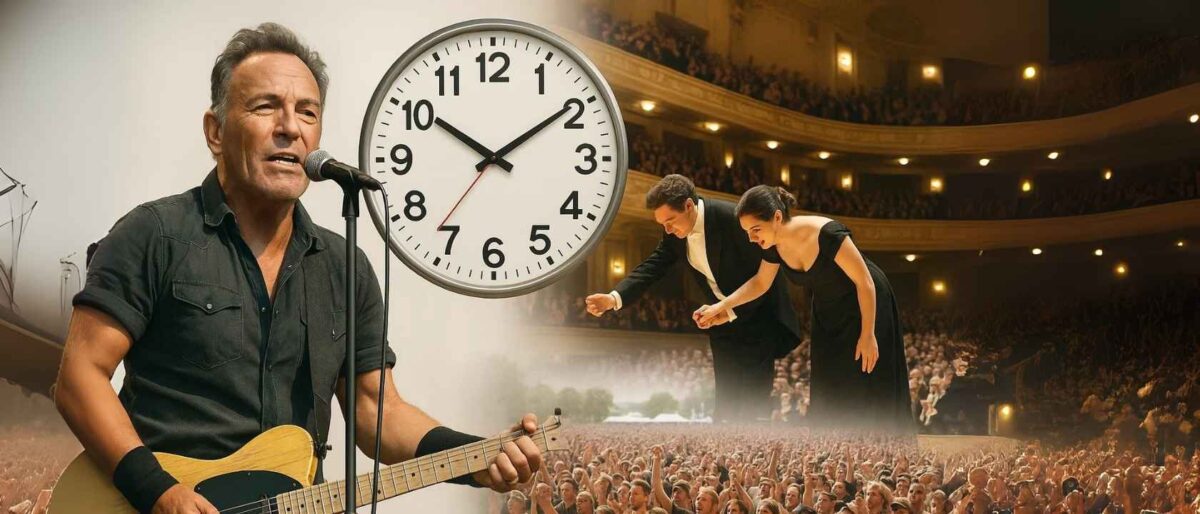
While two hours is the sweet spot for most concerts and shows, there are notable exceptions. Festivals and jam bands like the Grateful Dead, Phish, or Bruce Springsteen are famous for marathon performances that easily pass three hours. Their audiences arrive expecting a long, winding journey filled with extended improvisations and surprise encores.
Operas and classical performances often stretch to three or four hours, divided into several acts and intermissions. The structure is built for longevity, giving listeners time to rest, reset, and return ready for the next chapter of music or drama.
Other live events push boundaries in different ways. Sporting contests or immersive theater productions frequently last longer than two hours, but their pacing is structured around natural pauses—halftime, scene changes, or audience movement through spaces—so energy ebbs and flows without overwhelming participants.
These exceptions succeed because expectations are clear and breaks are baked in. When audiences know they’re in for a marathon rather than a sprint, the extended format feels rewarding instead of exhausting. The difference lies in pacing, planning, and context.
How Technology Shapes Modern Show Lengths
Technology hasn’t only changed how we consume music and theater at home—it’s also reshaping live performance length. Streaming platforms have conditioned audiences to shorter, segmented content, where attention resets after an episode or playlist ends. This makes the traditional two-hour live show feel both manageable and familiar.
Production technology also plays a role. Modern concerts rely on synchronized light shows, video screens, pyrotechnics, and stage effects. These elements are designed to unfold over about two hours, balancing spectacle with practicality. Beyond that window, equipment and crews face increased costs, complexity, and risk of technical fatigue.
Even ticketing and pricing models align with this standard. Audiences expect a full experience for the price of admission, and two hours strikes the balance between value and comfort. Venues and promoters use this duration to maximize revenue while keeping shows accessible and appealing to a broad audience.
In short, technology reinforces—not undermines—the two-hour rule. It frames how entertainment is delivered, how long it holds attention, and how venues package the experience from start to finish.
Practical Takeaways for Audiences
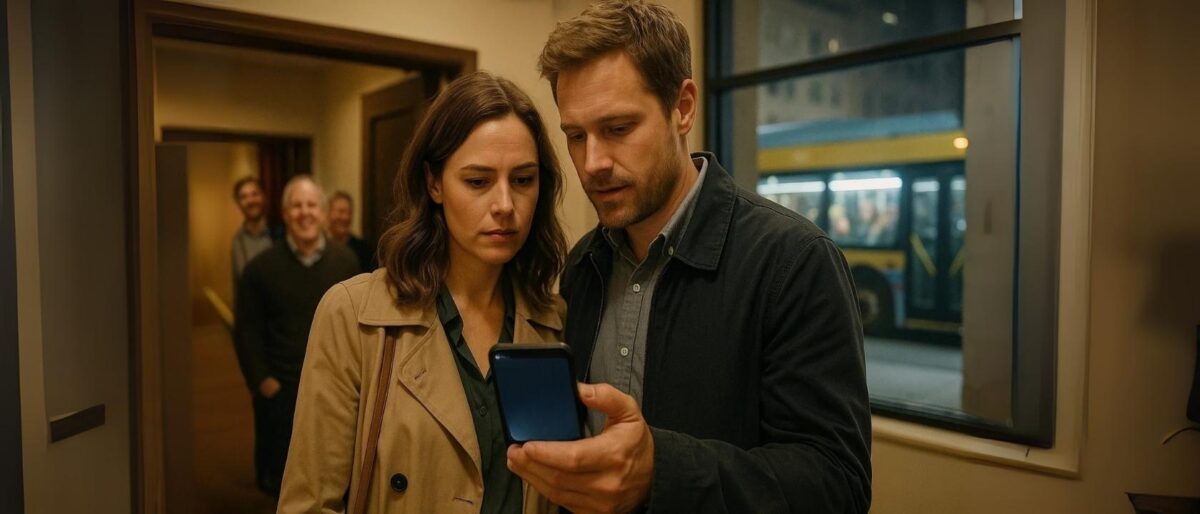
For anyone planning a night out, knowing the typical show length makes things easier. Most concerts, theater performances, and comedy shows run between 1 hour 45 minutes and 2 hours 15 minutes. That’s the industry standard, so it’s safe to budget your evening around that window.
Use this timing to plan the details that make or break a night out. Eat beforehand or schedule dinner afterward so you’re not rushing during intermission. Arrange transportation—whether catching the last train or booking a rideshare—so you’re not stranded once the curtain falls. If you need childcare, two hours is short enough to make coverage manageable.
Keep in mind that exceptions exist. Operas, music festivals, or long-form jam band concerts can stretch well past the two-hour mark. Fortunately, these events are almost always advertised with clear runtimes, so you’ll know when to prepare for a marathon instead of a sprint.
By planning around these expectations, you can enjoy the performance itself without stressing about logistics. The less you worry, the more space you leave for the fun.
Conclusion
The two-hour mark isn’t coincidence—it’s the result of biology, tradition, logistics, and artistry aligning. Performers give their best within that window, venues run smoothly, and audiences stay fully engaged without burning out. It’s a balance honed over centuries and still shaping how live entertainment feels today.
Two hours is long enough to immerse yourself in music, story, or comedy, yet short enough to keep your attention sharp. That sweet spot ensures the energy peaks at the right time and ends before fatigue sets in.
So the next time you head to a concert or show, remember: the runtime isn’t arbitrary. Two hours feels “just right” because it’s designed to be.