Are Ticket QR Codes Safe to Use? Avoiding Scans & Dupes
August 30, 2025
Chris Young in Morgan Hill, CA on Sep 6, 2025: Tickets & Info
August 30, 2025Why Are Broadway and Comedy Shows Closed on Mondays? The Tradition Explained

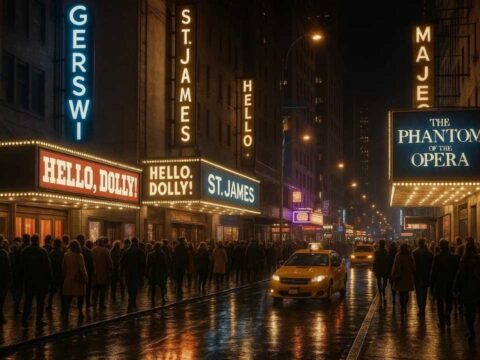
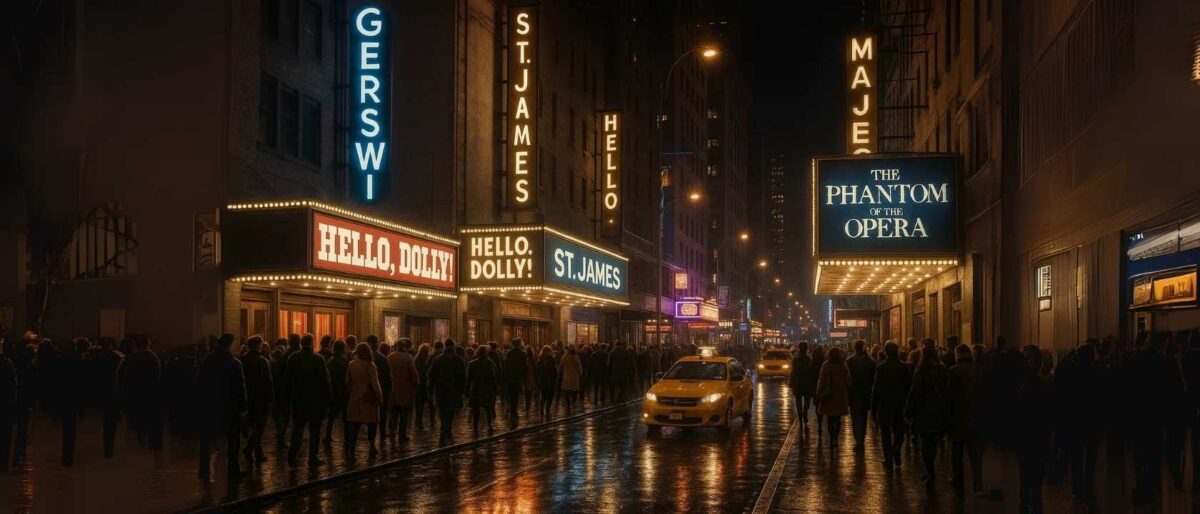
You’re in New York on a Monday night, eager for Broadway or a comedy show, only to find the theaters closed. Why? This long-standing “dark Monday” tradition isn’t random. It balances performer rest, audience demand, and industry logistics. Here’s the story behind theater’s most reliable night off.
The Tradition of the “Dark Monday”

In theater, the phrase “dark day” means a scheduled day off when the stage goes quiet, the seats stay empty, and no performances take place. Broadway, regional theaters, and comedy venues alike use this pause as a chance for both people and places to reset.
Over time, Monday became the standard dark day. In the early days of Broadway, audiences flocked to theaters on weekends and later in the week, while Mondays were notoriously slow. Ticket sales consistently dipped at the start of the week, so producers realized it made more sense to close then rather than lose money.
In New York City, where Broadway built its reputation, this pattern became routine. Locals tended to go out later in the week, and tourists often arrived midweek or for the weekend rush. Keeping theaters closed on Monday created a rhythm that fit both performers’ needs and audience behavior. The custom stuck, and now “dark Monday” is part of theater culture itself.
Performer and Crew Rest Needs
Broadway performers and comedians live on demanding schedules. Broadway actors often perform eight shows each week, sometimes with two performances packed into the same day. Comedians may bounce between clubs, doing back-to-back sets late into the night. Behind them, crews manage lighting, sound, stage changes, and every moving piece of the show. The pace is relentless.
Without a consistent break, exhaustion sets in quickly. Voices strain, bodies ache, and energy fades. One day off each week isn’t a luxury—it’s survival. That pause allows performers to recover their stamina, protect their vocal health, and return refreshed. Crews also benefit, using the downtime to regroup and maintain the equipment that keeps shows running smoothly.
Monday became the natural reset button. With audiences less likely to attend on the quietest night of the week, the industry aligned rest schedules with audience demand. By Tuesday, performers are recharged and ready to carry momentum through the busier midweek and weekend runs, delivering the consistency audiences expect.
Industry Logistics and Scheduling
Beyond performer rest, Mondays make sense from a business standpoint. Weekends are the hottest ticket sellers on Broadway and in comedy clubs, when both tourists and locals fill the seats. By taking Monday off, venues maximize revenue without cutting into their strongest sales days.
The standard Tuesday–Sunday schedule fits audience patterns perfectly. It offers multiple matinees and evening shows across six days, ensuring theaters hit their eight-performance quota while matching the times people are most likely to attend. This rhythm has become the backbone of the industry, balancing audience demand with operational efficiency.
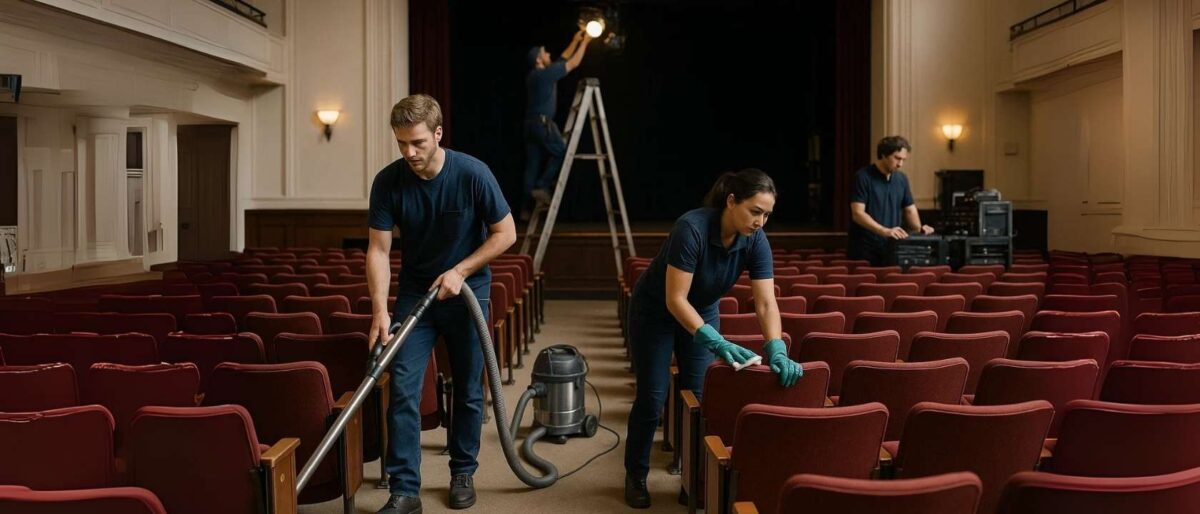
Meanwhile, Mondays aren’t wasted. The downtime gives crews and venues a chance to do the unglamorous but necessary work: deep cleaning the space, repairing seats, tuning equipment, or running technical rehearsals. Without these behind-the-scenes resets, the shows wouldn’t look or sound as sharp. In short, Monday is the theater’s day to recharge both onstage and off.
Why Comedy Shows Follow the Same Rule
Comedy may look spontaneous, but the schedule is as grueling as Broadway’s. Many comedians perform multiple sets in one night, bouncing from club to club. Late nights, constant travel, and nonstop stage time make rest essential. Just like theater actors, comics need a pause to keep their material sharp and their delivery fresh.
Comedy clubs have also learned that Monday isn’t a big draw. Audiences are smaller at the start of the week, so keeping the stage dark makes financial sense. Instead of chasing thin crowds, clubs align with the same pattern Broadway theaters follow—open strong from Tuesday through Sunday, when seats are fuller and the energy is higher.
That doesn’t mean clubs go silent on Mondays. Many use the downtime for workshops, open mic nights, or special events that don’t rely on packed houses. It’s a chance for new talent to test material, or for established comics to try out fresh jokes in a lower-pressure setting. Monday, then, becomes both a rest day and a creative space in the comedy world.
Audience Patterns and Demand
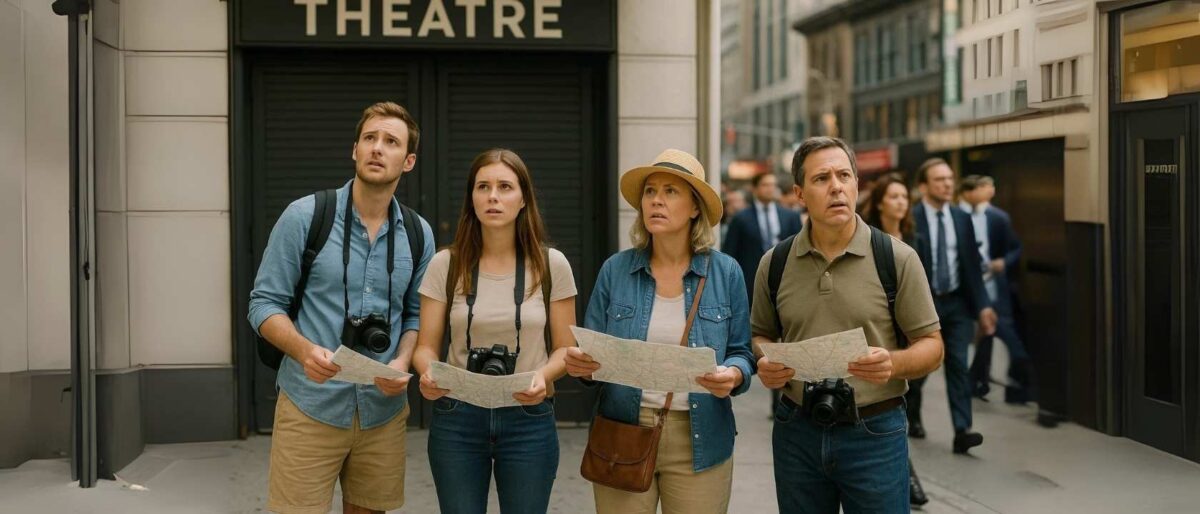
Another reason theaters and clubs stay dark on Mondays is simple: the seats don’t fill. Historically, Monday has been the weakest night for ticket sales. After the weekend, locals head back to work, tourists are often still arriving in the city, and the demand for entertainment dips sharply.
Tourist patterns also play a big role. Many visitors plan their Broadway or comedy outings for later in the week, timing shows around sightseeing or weekend schedules. Tuesday through Sunday performances capture that flow, ensuring fuller houses and better energy inside the venue.
Locals tend to follow the same rhythm. Midweek shows are popular with New Yorkers who want a night out after work, and weekends remain the prime time for family trips or group outings. By closing on Mondays, theaters and comedy clubs align with when people are actually ready to attend, making the most of audience demand.
Exceptions to the Rule
While most Broadway houses and comedy clubs stick to the dark Monday tradition, there are exceptions. Smaller off-Broadway productions or independent comedy clubs sometimes schedule Monday shows to stand out in a quieter market. For audiences seeking entertainment on a Monday night, these venues provide alternatives when the bigger stages are closed.
Holiday weeks also shake things up. Around Christmas, New Year’s, or Thanksgiving, theaters often adjust schedules to meet demand from tourists flooding into the city. A Monday show during these periods can make financial sense, especially when the usual off-day falls during peak travel season.
Beyond holidays, special events sometimes break the rule as well. Industry galas, one-night-only performances, and even live-streamed shows may take over a Monday slot. These aren’t the norm, but they show that the “dark Monday” rule isn’t unbreakable. Instead, it’s a tradition that flexes when opportunity calls.
The Benefits of a Dark Day

Closing on Mondays isn’t just about tradition—it serves real benefits for everyone involved. Performers gain a much-needed chance to rest both physically and mentally. Singing, dancing, or delivering comedy night after night takes a toll, and a regular pause helps preserve energy, protect vocal health, and reduce burnout.
Venues also put the downtime to good use. Mondays are often dedicated to deep cleaning, maintenance, or technical checks that can’t be done with audiences in the building. Some theaters even rent the space for private events or rehearsals, creating another source of income without disrupting the regular performance schedule.
For audiences, the payoff is clear: stronger shows for the rest of the week. When performers are rested and venues are well-maintained, the experience improves. That Monday off helps ensure Tuesday through Sunday performances are polished, energized, and worthy of the ticket price.
How This Impacts Theatergoers and Fans
For many tourists, arriving in New York and finding Broadway dark on a Monday is a surprise. The energy of Times Square feels alive, but the theaters themselves stay quiet. Without planning ahead, visitors sometimes miss out on the very shows they came to see.
The key is timing. If Broadway is on your bucket list, plan your trip around Tuesday through Sunday. These are the days when nearly all productions are running, giving you the widest choice of performances and the best shot at securing good seats.
That doesn’t mean Monday has to be a wasted night. Plenty of off-Broadway productions and smaller comedy clubs keep their doors open. Many museums, live music venues, and even special Monday-only comedy showcases can also fill the gap. With a little flexibility, fans can still enjoy a full New York evening even when Broadway goes dark.
Conclusion
Broadway and comedy’s Monday closures aren’t accidental—they’re strategic. The tradition gives performers and crews vital rest, aligns with audience demand, and allows venues to handle behind-the-scenes upkeep. What looks like a night off is actually part of a rhythm that keeps shows consistent and high-quality all week long.
So the next time Broadway feels dark on a Monday, know it’s all part of keeping the spotlight shining brighter the rest of the week.