Dierks Bentley in Savannah, GA on Aug 21, 2025: Tickets & Info
August 13, 2025
20 Unmissable Comedy & Music Events This Fall (2025)
August 13, 2025Why Do Event Ticket Platforms Charge Extra Fees? Explained

Sticker shock at checkout? Ticket platforms add service, processing, facility, and delivery charges that swell the final price. This quick guide explains what each fee covers, why companies use them, and smart ways to shrink costs. Read before you buy, keep more money, and skip buyer’s remorse on ticket purchases.
Understanding Ticket Platform Fees
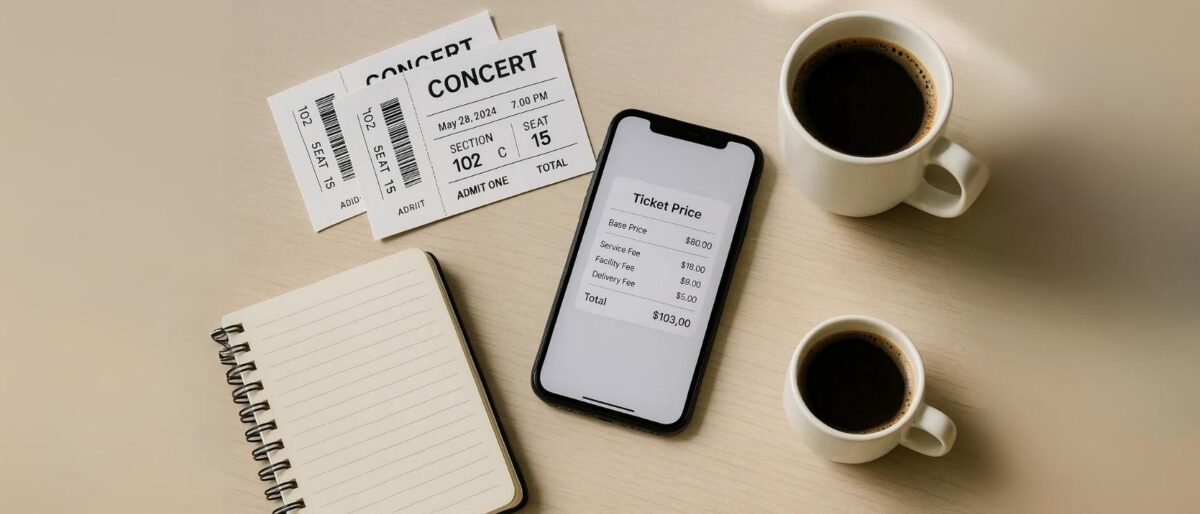
When you spot a ticket listed at $80 but end up paying $102, you’re meeting the gap between face value and the final checkout price. That difference is a mix of fees that go beyond the base cost of entry.
Service fees are the most common. They cover the ticket platform’s business expenses like technology, customer support, and event listings. These are often charged as a percentage of the ticket price, though some platforms use a flat rate.
Processing fees are tied to payment handling — credit card processing, fraud checks, and secure transactions. While they may sound small, they can stack up fast when buying multiple tickets.
Facility fees come from the venue itself. They help pay for maintenance, staffing, and upgrades to the space. Even if you skip online buying and go straight to the box office, these fees often remain.
Delivery fees depend on how you get your ticket. Digital delivery is sometimes free, but physical shipping or premium delivery options can add extra costs.
Some platforms show these fees upfront, giving you the total price before you click “buy.” Others reveal them only at checkout, making the jump in cost feel sudden and frustrating.
Common Types of Extra Fees
Not all fees are created equal, but they all add to your total. Here’s what you might see when buying event tickets and why they exist.
Service Fee – This is the ticket platform’s bread and butter. It helps cover website maintenance, customer support, and event promotion. Some platforms charge a flat fee per ticket, while others take a percentage of the ticket’s price — meaning pricier seats rack up bigger fees.
Processing Fee – Every payment has a cost. Processing fees pay for credit card handling, payment gateway transactions, and fraud prevention systems. Even small percentages add up, especially when buying for a group.
Facility Fee – Unlike service or processing charges, facility fees come directly from the venue. They support building upkeep, security, and operational costs. This fee applies whether you buy online or in person at the box office.
Delivery or Handling Fee – How you receive your ticket can influence the cost. Digital delivery is often free, but printed tickets sent by mail or premium delivery methods come with a handling charge.
Dynamic Pricing Surcharges – When demand spikes, prices can climb. Platforms use dynamic pricing to adjust costs in real time, adding surcharges for high-demand shows. Think of it as surge pricing for live events.
Why Ticket Platforms Add These Fees

Extra fees aren’t random — they’re part of how the ticketing business stays profitable and competitive. Each charge plays a role in the larger revenue puzzle.
Platform Revenue Model – Companies like Ticketmaster, AXS, and Eventbrite rely heavily on fees for income. The ticket’s face value often goes primarily to the event organizer, so these add-ons are where the platform earns its keep.
Venue Agreements – Many platforms have revenue-sharing deals with venues. A portion of service or facility fees may be split between the ticket seller and the venue as part of long-term partnerships.
Artist & Promoter Cuts – In some cases, promoters and even artists themselves receive a share of certain fees. This can be negotiated into contracts, especially for major tours where ticket demand is strong.
Operational Costs – Running a ticketing service means paying for staff, customer support, fraud prevention systems, and constant website upgrades. Fees help cover these ongoing expenses without inflating the base ticket price.
Market Demand & Willingness to Pay – The psychology is simple: a lower initial price attracts buyers, and fees are added later when people are more committed to the purchase. It’s a common pricing tactic across industries, not just in ticket sales.
Controversy and Criticism
Few topics in live entertainment spark as much debate as ticket fees. For many fans, the frustration starts the moment the total at checkout leaps far beyond the advertised price.
Customer frustration over “hidden” fees – Buyers often feel misled when fees appear only at the final step. That sudden price jump can sour the excitement of getting tickets, especially for high-demand shows.
Public backlash and social media outrage – Complaints about “junk fees” trend regularly on platforms like Twitter and TikTok, where screenshots of inflated totals go viral. Some fans organize boycotts or call for fee-free ticket days in protest.
High-profile lawsuits and political pressure for fee transparency – Legal challenges and government investigations have targeted ticketing giants, accusing them of deceptive pricing. Lawmakers in several states have introduced bills that would require all-in pricing from the start.
Examples of concerts or events that drew attention for high fees – Notable cases include Bruce Springsteen’s 2023 tour, where some fans saw fees exceeding 25% of the ticket price, and Taylor Swift’s “Eras Tour” presales, where massive surcharges fueled national headlines and political scrutiny.
Industry Push for Transparency

The uproar over hidden fees has pushed lawmakers and ticket platforms to rethink how prices are shown. The goal is simple — give buyers the full cost before they commit.
Legislative proposals in the US – Several states and federal lawmakers have introduced “all-in” pricing bills that require the total ticket price, including fees, to be displayed upfront. These proposals aim to eliminate last-minute sticker shock and make price comparisons easier for consumers.
Platforms testing upfront pricing – Some major ticket sellers have experimented with showing all costs from the start. Eventbrite, for example, has rolled out clearer breakdowns, while Ticketmaster has piloted toggles to view total price with fees included before selecting seats.
Impact of more transparent pricing on sales and trust – Clearer pricing can increase buyer confidence, reduce cart abandonment, and improve a platform’s public image. While it may expose the true cost earlier, it also builds long-term trust — a valuable currency in a market where competition is growing and customer loyalty is fragile.
How to Reduce or Avoid Paying Extra Fees
While some fees are hard to escape, a few smart moves can help you pay less when buying tickets.
Buy directly at the venue box office – Many venues waive online service charges for in-person purchases. You’ll still pay facility fees, but you can skip platform add-ons.
Look for fee-free ticket sales days – Some promoters and platforms run limited-time promotions where service fees are removed. These offers are often announced on social media or through email newsletters.
Compare multiple platforms before buying – The same ticket can have different fees depending on the seller. A quick check of two or three sources can reveal a better total price.
Consider verified resale sites with lower fees – Certain resale marketplaces charge less than big-name platforms. Look for verified sellers to avoid scams while keeping costs down.
Join fan clubs or presales that offer reduced fees – Some artist fan clubs and credit card presales include lower-fee ticket options as a perk of membership.
Use mobile ticket delivery to avoid shipping charges – Digital tickets are typically free to receive. Choosing e-delivery can save on handling or postage costs for physical tickets.
Resale Market & Additional Fees
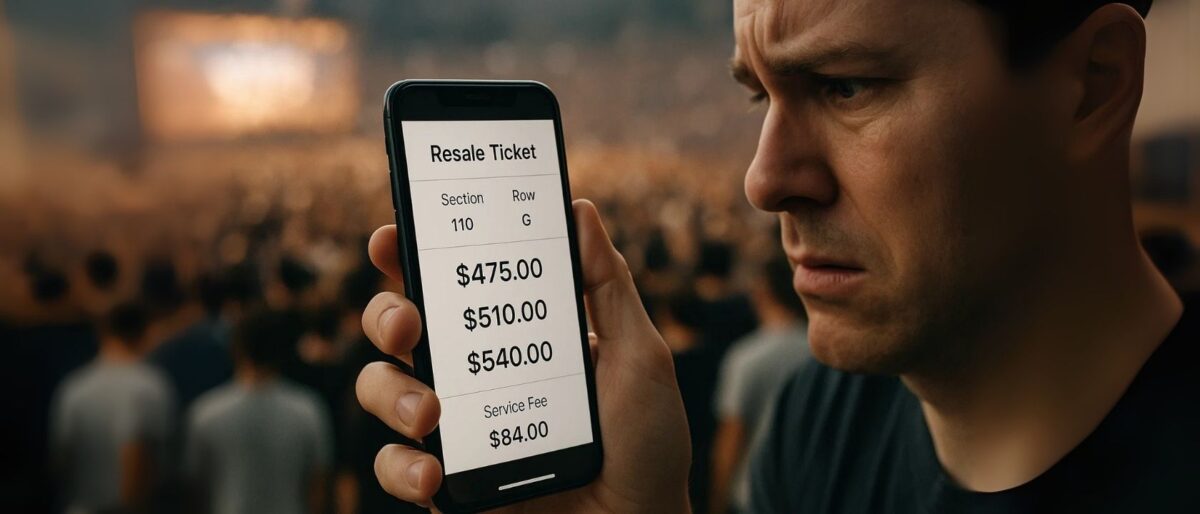
Buying from the resale market can feel like a double-edged sword — it opens more options but often at a higher cost.
Why resale tickets often have even higher fees – Resale platforms add their own service and processing charges on top of the seller’s asking price. When demand is high, prices are already inflated, and the added fees push totals even further.
Differences in fee structures between primary and secondary markets – Primary sellers like Ticketmaster or AXS set fees based on original ticket prices and venue agreements. Secondary marketplaces, such as StubHub or SeatGeek Resale, calculate fees on the resale price, which can be significantly higher, leading to steeper costs.
Risks vs. rewards of using resale sites – The benefit is clear: you might score seats to a sold-out event. The risk? Overpaying or facing fraudulent listings if you buy from an unverified source. Sticking to reputable platforms with buyer protection policies can help balance the convenience with financial safety.
Global Perspective
Ticketing fees aren’t the same everywhere. How they’re structured — and how clearly they’re shown — depends on local regulations and consumer expectations.
How fees differ in the US, UK, EU, and other markets – In the US, fees can be substantial and often appear late in the checkout process, sparking frequent criticism. The UK tends to include booking fees more transparently, though charges for delivery or facility use still apply. In the EU, stricter consumer protection laws require clearer disclosure, and some countries cap the percentage of added fees. In markets like Australia or Canada, fee practices vary widely by city and event organizer.
Cultural and regulatory differences in ticketing transparency – In regions with strong consumer advocacy, “all-in” pricing is more common and sometimes legally enforced. In others, the onus is on the buyer to read the fine print. Cultural attitudes also play a role — in some countries, buyers expect upfront honesty on costs, while in others, seeing extra charges at checkout is considered normal.
Future of Ticket Pricing
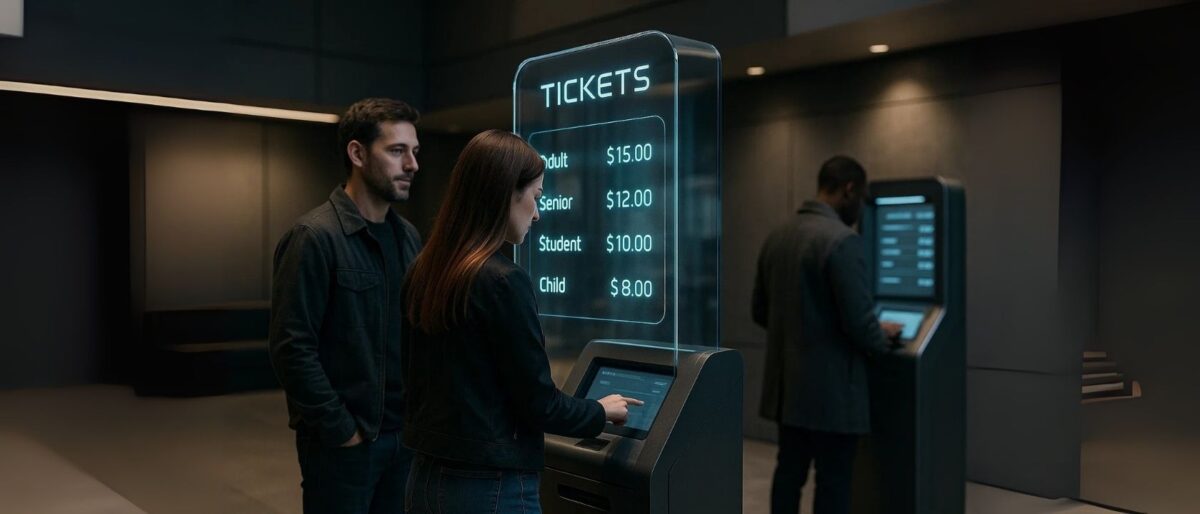
The way ticket prices are shown is changing, driven by consumer demand for clarity and competitive pressure within the industry.
Trends toward “all-in” pricing models – More platforms are moving toward showing the full ticket cost, including fees, upfront. This model reduces checkout shock and aligns with growing calls for price transparency.
Increased competition from new ticketing platforms – Smaller, tech-savvy companies are entering the market with lower fees or simpler pricing structures to attract buyers frustrated with big-name platforms. Their presence is pushing established players to rethink fee strategies.
Possible fee regulation and consumer protection laws – Legislative action could soon limit how fees are applied or require clearer displays of total cost. If these regulations pass, buyers may see more predictable pricing and fewer last-minute surprises.
Conclusion
Extra ticket fees come from multiple sources — platform revenue needs, venue agreements, operational expenses, and even market demand. While they won’t vanish overnight, understanding what they cover makes the final price less of a mystery.
Being an informed buyer means looking beyond the headline price. Compare platforms, check for promotions, and explore ways to skip unnecessary charges. Sometimes a quick trip to the box office or choosing mobile delivery can save you more than you think.
Before hitting “buy,” review the total cost, weigh your options, and seek out fee-free opportunities. A little extra effort can keep more money in your pocket and still get you into the events you love.