Are Concerts Too Loud? How to Protect Your Hearing
August 14, 2025
Hamilton vs The Lion King: Which Broadway Show Should You See?
August 14, 2025The Worst Seats to Avoid at a Broadway Show (And Why)
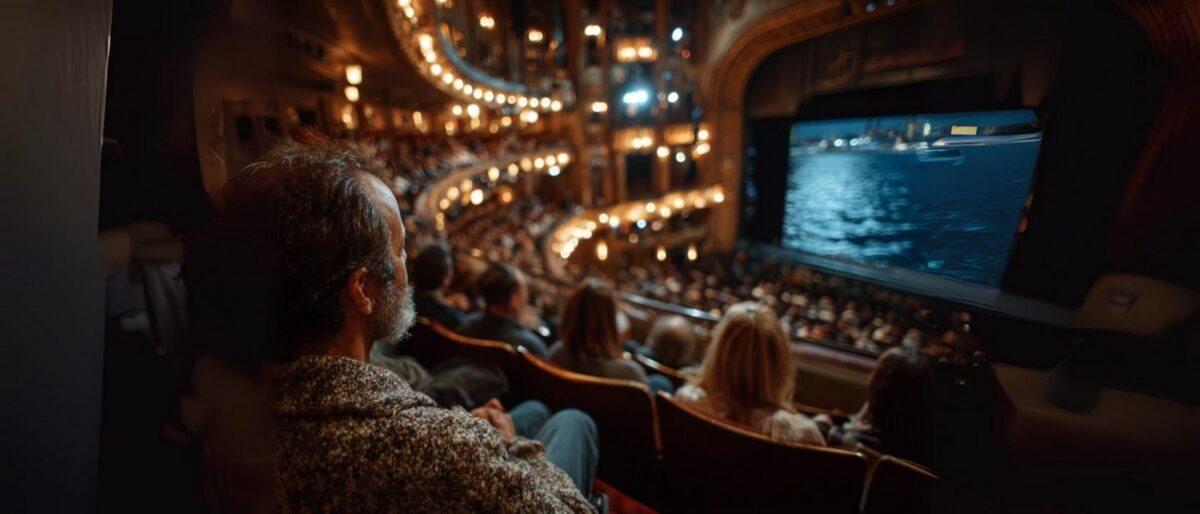
There’s nothing worse than splurging on Broadway tickets only to spend the show craning your neck or peeking around a railing. Seat choice can make or break the magic. This guide reveals which spots to skip, why they disappoint, and how to find a seat worthy of the spotlight.
Why Seat Choice is Crucial for Broadway
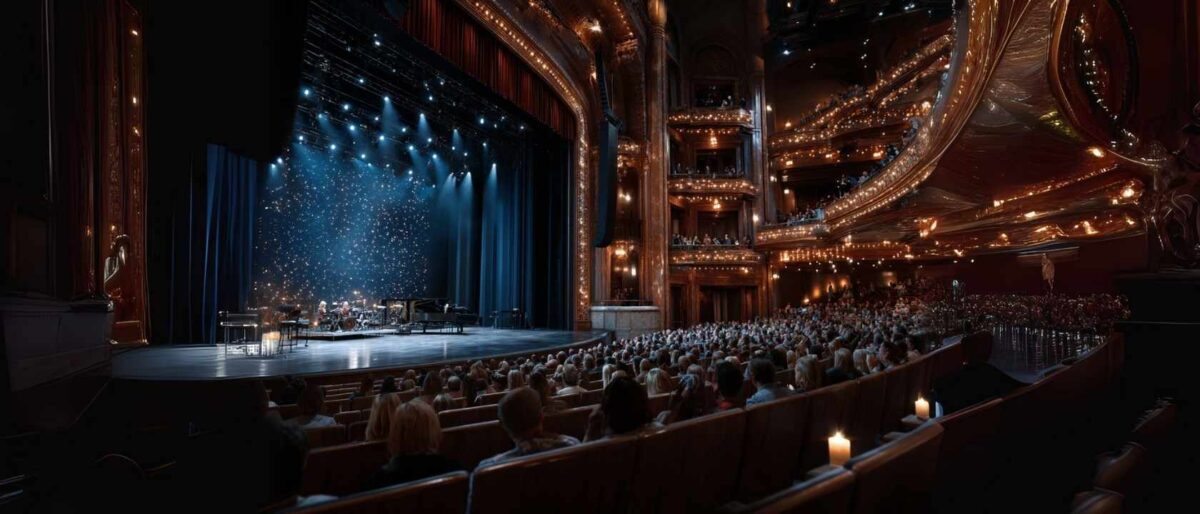
Broadway productions are crafted as complete visual and auditory experiences, where every detail on stage helps tell the story. Missing even a small section of the performance — a character’s subtle expression, a key prop, or a carefully choreographed movement — can take away from the impact of important moments. Sound clarity is just as vital. Crisp dialogue and balanced music allow you to follow the plot and appreciate the nuances in the score. Poor acoustics or muffled audio can make it harder to connect with the performance. Comfort and proximity to the stage also play a big role. Sitting too far away can make it harder to engage, while cramped seating can leave you distracted and restless. Choosing the right seat ensures you experience the show the way it was meant to be seen and heard.
Common Factors That Make a Seat “Bad”
Several factors can turn a promising Broadway ticket into a frustrating experience. An obstructed view caused by poles, safety rails, or overhangs can block key moments and stage elements. Too much distance from the stage means you’ll miss the subtle facial expressions and intricate costume details that add depth to the performance. Poor acoustics in certain areas can make dialogue hard to follow and music lose its richness. Restricted legroom can leave you uncomfortable and fidgeting through long acts. The angle to the stage also matters — extreme side seating can flatten the action and limit your view of set changes. Finally, sightline distractions like sitting behind a tall patron, being too close to a busy aisle, or near frequent foot traffic can pull your attention away from the magic unfolding on stage.
Specific Seats to Avoid
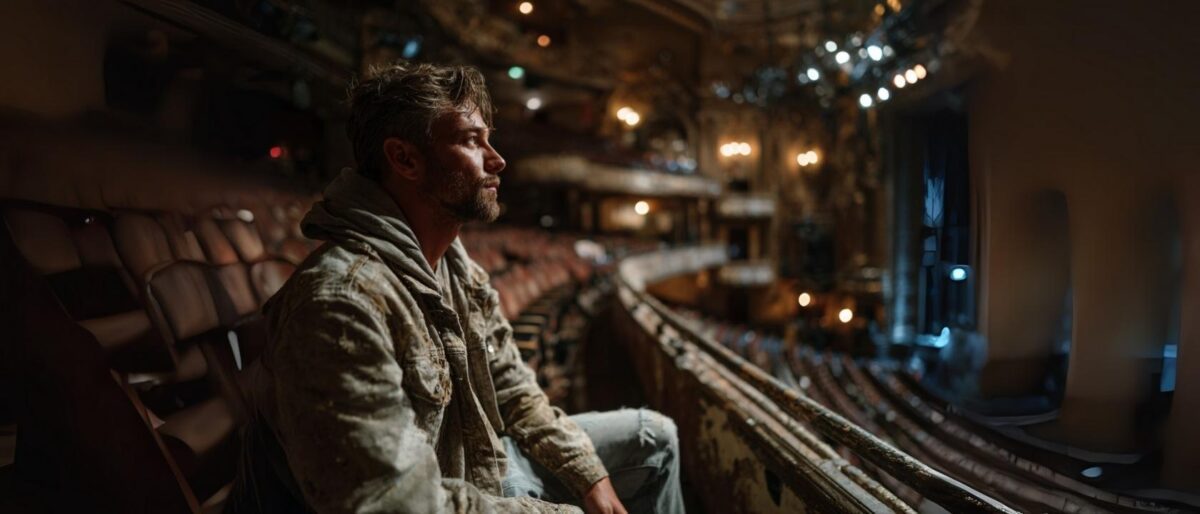
Far Side Orchestra Seats
These seats place you at a sharp angle to the stage, which can make you miss the depth of the set and key facial expressions from the actors. You may find yourself twisting your neck throughout the performance to catch all the action.
Rear Mezzanine/Balcony Seats
While these are often the most budget-friendly options, they’re also the farthest from the stage. Actors can appear tiny, making it difficult to appreciate costume details or subtle gestures. In some theaters, sound clarity also drops the farther back you sit.
Front Row (for Certain Shows)
Being up close can be thrilling, but for shows with high stages or large-scale choreography, the front row can mean neck strain from looking up and missing the overall picture. Some visual effects and formations are best appreciated from a few rows back.
Partial View/Obstructed View Seats
These seats are usually labeled as such but can still carry a hefty price tag. Obstructions may come from pillars, overhanging balconies, or lighting and sound equipment. Important parts of the set or actors may be hidden from your vantage point.
Extreme Side Box Seats
Box seats offer a unique, elevated angle, but those positioned too far to the side can cut off large portions of the stage. While the novelty can be fun, you may lose sight of critical interactions and scenic elements that drive the story.
Seats Under the Mezzanine Overhang
Located beneath the mezzanine, these seats can limit your view of upper-level sets, projected visuals, or lighting effects. The overhang can also affect sound projection, leaving music and dialogue sounding less vibrant compared to more open seating areas.
How to Identify Problem Seats Before You Buy
Before you commit to Broadway tickets, a little research can save you from disappointment. Start with seat view websites like SeatPlan or A View from My Seat, which feature photos and reviews from real theatergoers. Compare these with the official theater seating chart to understand the layout and sightline angles. Recent audience reviews can reveal hidden drawbacks, such as poor sound in certain rows or unexpected obstructions. Always pay close attention to any labels like “partial view” or “limited legroom” in the ticket description — these warnings are there for a reason and can greatly impact your enjoyment of the show.
Better Alternatives for Each “Bad” Seat
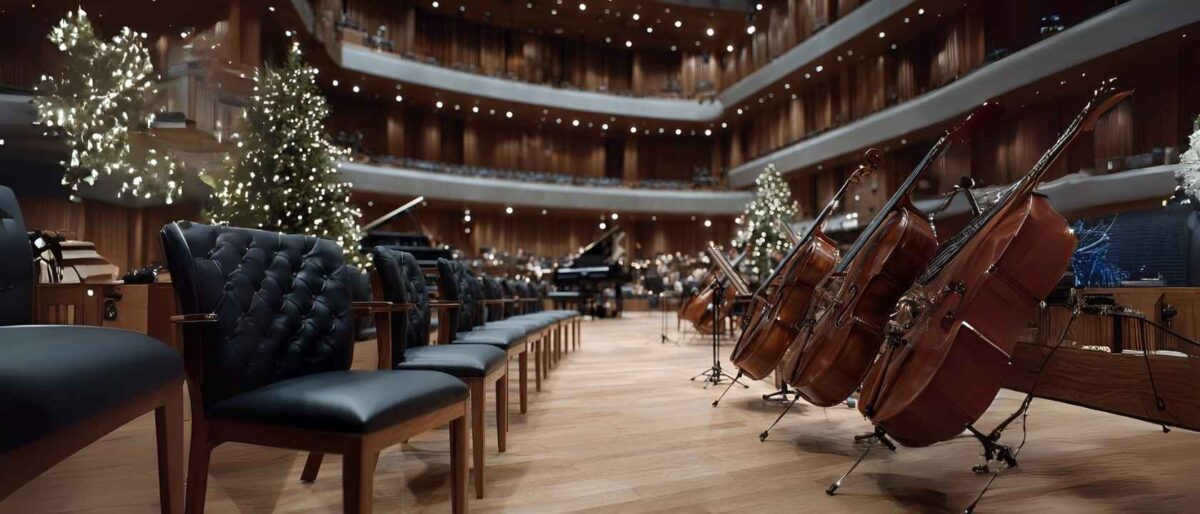
If the only option left is a far side orchestra seat, look for one further back but closer to the center — even a few rows back can greatly improve your sightline. When faced with a rear mezzanine choice, check the front mezzanine instead; it often offers a better view at a similar price point. If the front row feels uncomfortably close, aim for rows 5–8 in the orchestra to get a more balanced perspective of the stage. For those tempted by box seats, consider mid-mezzanine instead, where you’ll get the full breadth of the set without awkward angles. And if you’re stuck with an obstructed view, try aisle seats in the mid-orchestra — they tend to have clearer sightlines and easier access without losing proximity to the stage.
Price vs. Experience Trade-Off
Sometimes, paying more for a prime seat is worth it — especially if it’s a once-in-a-lifetime show, a special occasion, or a production you’ve been anticipating for years. A better seat can mean clearer sound, unobstructed views, and an overall richer experience. That said, cheaper “bad” seats can still make sense in certain situations. If you already know the show well and don’t mind missing some visual details, sitting further back or off to the side can be a budget-friendly way to enjoy the atmosphere. They’re also fine if your main goal is simply being in the theater, soaking in the energy, and hearing the music live without breaking the bank.
Tips for Upgrading Your Seat
Securing a better spot isn’t always about paying top dollar upfront. Before the show begins, check with the box office — if there are unsold seats, you might be able to upgrade for a small fee or even at no cost. Many Broadway productions also offer lottery or rush ticket programs, giving you the chance to score premium seats at a fraction of the usual price. Another smart tactic is attending a midweek matinee. These performances tend to draw smaller crowds, increasing the odds of open prime seats and a more relaxed theater environment.
Final Checklist Before Buying Broadway Tickets
Before you click “purchase,” take a few extra steps to make sure you’re getting the best value for your money. First, confirm the seat’s sightlines, available legroom, and whether it’s positioned under a mezzanine overhang that might block part of the stage or lighting effects. Next, read multiple reviews from people who have sat in that exact seat — their firsthand experiences can reveal issues you won’t find on a seating chart. Finally, weigh the ticket price against your comfort needs and the overall experience you want. A slightly higher cost may be worth it for a clearer view, better sound, and a seat that lets you enjoy every moment without distraction.
Conclusion
Even the most dazzling Broadway production can lose its magic if you’re stuck in a seat with a poor view, bad acoustics, or constant distractions. Doing a bit of research before buying tickets can spare you that frustration and help you make the most of your theater night. The right seat transforms a performance into an unforgettable experience — one you’ll carry with you long after the curtain falls.