What Is Observational Comedy? Examples, Stars & Shows
June 12, 2025
Are VIP Tickets Worth It? What You Really Get at Events
August 8, 2025Are All Resale Concert Tickets Safe? How to Spot Legit Sellers
Ever wondered if that resale concert ticket you’re eyeing is the real deal—or a one-way ticket to disappointment? With scams on the rise, buying from the wrong seller can leave you locked out of the venue. Here’s how to spot legit resellers and buy with confidence (and rhythm).
Why People Turn to Resale Sites
Let’s be real—sometimes the official ticket window slams shut faster than you can say “presale code.” Whether it’s a Taylor Swift stadium sellout or a tiny indie show in a secret venue, the demand often leaves fans scrambling. That’s where resale sites sneak in like backstage passes for the masses.
People turn to resale platforms for a mix of reasons:
- Sold-out shows — When general admission vanishes in minutes, resale becomes the only way in.
- Better seats — The premium view that slipped through your fingers? Someone else might be reselling it now.
- Last-minute ticket buying — Plans change, gigs pop up, and resale gives you options right until showtime.
- Lower prices (sometimes!) — Desperate sellers drop prices before showtime. It’s risky, but you might strike gold.
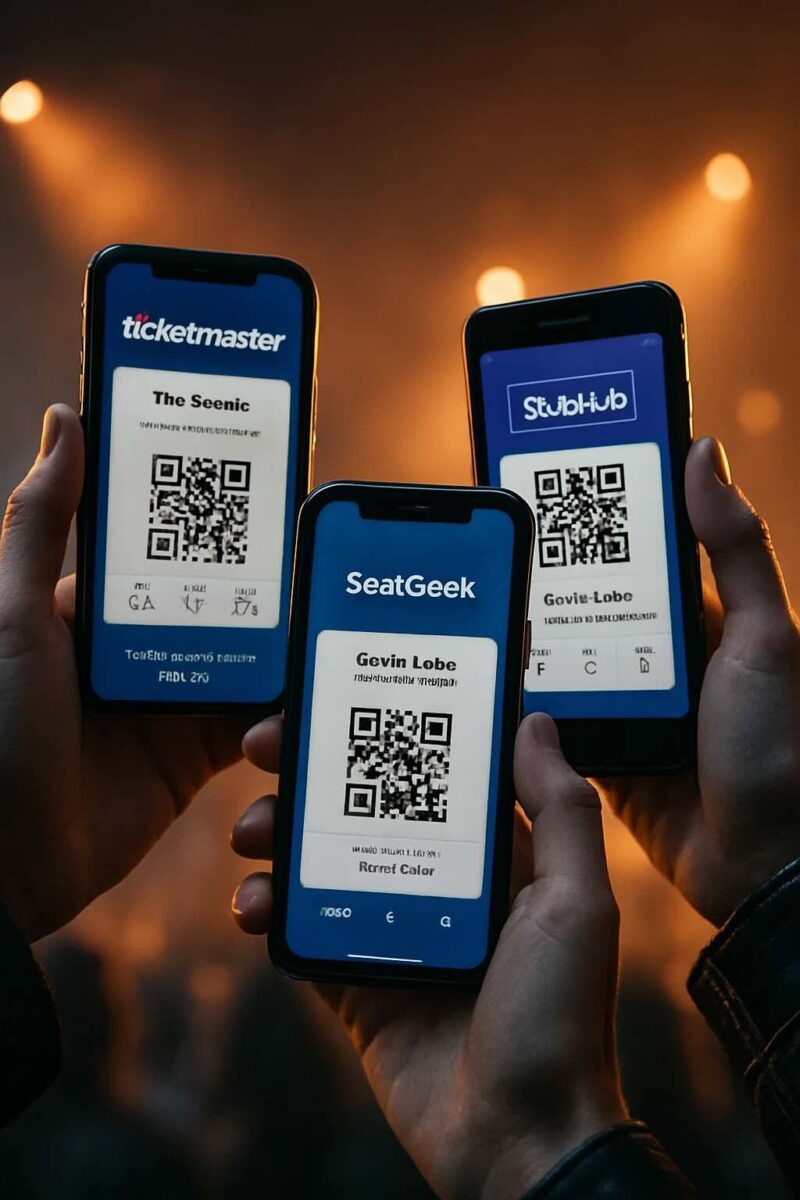
The usual suspects in the resale game include Ticketmaster Verified Resale, StubHub, SeatGeek, and Vivid Seats. Some fans also take chances on Facebook Marketplace or Craigslist, though these come with zero guarantees and plenty of pitfalls. More on that soon…
What Makes a Resale Ticket Legit?
So how can you tell if a resale ticket is the real deal or a digital dud? Not all tickets are created equal—and sadly, not all sellers play fair. But there are dead giveaways that you’re holding (or buying) something genuine, not just glitter dressed up as gold.
- It comes from a trusted platform with buyer protection — Sites like Ticketmaster, StubHub, SeatGeek, and Vivid Seats offer built-in safety nets, refund policies, and verified sellers.
- It has a valid barcode or ticket number — Real tickets can be scanned at the gate. Avoid screenshots, blurry PDFs, or anything suspiciously edited—those are red flags waving at full speed.
- It transfers through the venue’s system — A digital transfer through Ticketmaster or AXS? That’s the golden standard. If someone refuses to transfer tickets digitally, proceed with serious caution.
- It shows exact seat location and date/time — Vague listings or “general admission maybe” descriptions should raise eyebrows. Real tickets tell you exactly what you’re buying.
Think of legit resale tickets like diamonds: clear, traceable, and never too cheap to be true.
How to Spot Fake Concert Tickets
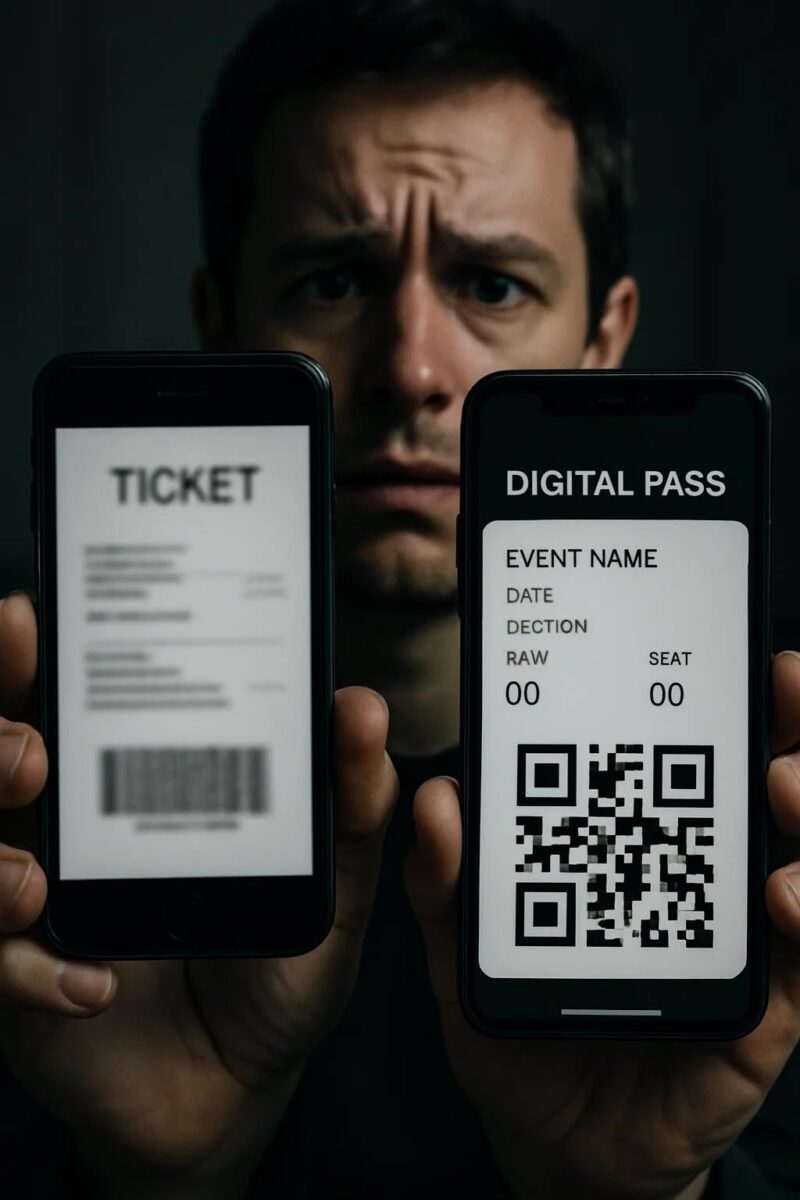
Scammers don’t wear name tags—but they do leave clues. From suspicious prices to shady payment requests, there’s often something off if you know where to look. Here’s your cheat sheet for spotting phony tickets before they leave you outside the gates listening through the walls.
- Price too low to be true – A $300 front row seat for $40? That’s not a deal—it’s bait. Scammers love dangling irresistible offers to lure quick buyers.
- No ticket transfer method – If they won’t use Ticketmaster or AXS and insist on emailing a PDF, walk away. Legit resales should transfer directly through the platform.
- Stock or blurry images of tickets – Real sellers provide clear screenshots or confirmation emails. Blurry or oddly cropped photos? Probably pulled from a Google search.
- No proof of purchase – Can’t show an original confirmation or order number? Big red flag. Honest sellers should be able to back up their story.
- Seller wants gift cards, Venmo, or wire transfers – These payment methods offer no buyer protection. Once your money’s gone, it’s gone for good.
- Pushy or rushed communication – “You need to buy now or I’ll sell to someone else!” That pressure tactic is classic scam behavior.
- Poor grammar or spelling in listings – It might sound petty, but sloppy listings often point to fraudsters casting a wide net across platforms.
Bottom line? If something feels sketchy, trust your gut—and back away slowly.
Red Flags on Social Media and Craigslist
Buying tickets from strangers online? That’s a trust fall with no safety net. Social media and Craigslist are breeding grounds for bold scams—and unfortunately, they don’t come with warning labels. Here’s what to watch out for before you hand over your money (or your night).
- Fake profiles or newly created accounts – A seller with no profile pic, no posts, and a suspiciously fresh join date? That’s not your new concert buddy—it’s a burner account.
- No mutual friends or reviews – No overlap, no community trust. If their profile feels like it exists in a vacuum, that’s a hard pass.
- Ghosts you when you ask specific questions – Ask for seat numbers or confirmation details and suddenly they disappear? That’s the digital version of a vanishing act.
- Suggests meeting in odd or public locations – Parking lot ticket hand-offs or gas station meetups should raise alarms. Legit sales don’t need cloak-and-dagger drop-offs.
Want to test their honesty? Ask for a live screenshot of the ticket with today’s timestamp. Better yet, request proof of the original purchase. Real sellers won’t flinch—scammers will vanish.
And please, never pay with cash, Zelle, or gift cards. Those are favorites for thieves because once you send it, you’re out of luck. Stick with credit cards or platforms that offer buyer protection.
Trusted Resale Platforms (and How They Work)

Not all resale sites are sketchy side hustles. Some are built for exactly this—safe, trackable, guaranteed ticket exchanges. If you’re buying from a legit platform, you’re not just hoping for the best—you’re protected if something goes sideways. Here’s how the major players stack up:
- Ticketmaster Verified Resale – This is as close to bulletproof as it gets. Tickets are transferred directly through Ticketmaster’s system, which means you get official, scannable barcodes. It’s seamless, secure, and comes with full support if issues pop up.
- StubHub – Their FanProtect Guarantee is a big deal. It means every order is backed by full customer service, a replacement ticket, or a refund if something’s wrong. You see seat details before you buy, and the app keeps things tidy.
- Vivid Seats – Known for aggressive customer service and a strong buyer guarantee, Vivid Seats steps in if you’re sold a fake. You’ll get comparable tickets or your money back. Their reward program is a nice bonus if you attend a lot of shows.
- SeatGeek – SeatGeek vets every seller and promises valid, working tickets with their authenticity guarantee. Their interface is slick, the fees are transparent, and mobile delivery is standard on most purchases.
If you’re buying resale, stick to platforms with protection baked in. It’s the difference between a night to remember and a ticket to nowhere.
How to Verify a Concert Ticket Before the Event
Worried your ticket might be a dud? Don’t wait until you’re in line outside the venue to find out. There are smart, simple ways to check whether your ticket’s the real deal—before the band hits the stage or the lights go down.
- Use the original ticketing app – Open Ticketmaster, AXS, or whatever platform the event uses. A legit transfer will appear in your account, not in your inbox as a sketchy PDF.
- Contact the venue box office – Give them your seat info or ticket number. Many venues will confirm whether that ticket matches their records (they won’t always confirm ownership, but they can flag fakes).
- Verify the barcode or ticket ID – If you have a barcode or long ticket number, some platforms let you confirm it’s valid through their system. Never rely on a screenshot alone.
- Use services like Ticketmaster’s verified ticket checker – Not always available, but when it is, it gives peace of mind. These tools can show if the ticket’s been transferred properly or already used.
- Bring ID if picking up at Will Call – Some resale purchases require ID match or buyer verification. Always check the pickup instructions so you’re not turned away at the door.
When in doubt? Call the venue, double-check the platform, and keep all receipts. Peace of mind beats panic every time.
Should You Ever Buy from a Stranger? Maybe Not

You’re outside the venue. The show starts in 20 minutes. A guy in a hoodie says he’s got “an extra ticket” for half the price. Sounds tempting, right? That’s how a lot of fans end up paying for nothing but a lesson.
Street scalpers and personal sellers without a platform are the wild west of ticket buying—no rules, no recourse, and no refunds. You’re trusting a stranger with your money, your plans, and your night. Even if they look legit, even if they show you a screenshot, you have no idea what you’re really getting.
Here’s one that stings: a woman bought last-minute Beyoncé tickets from a guy on Facebook who had a real-looking profile and said he’d transferred tickets before. She paid with Zelle. He blocked her. The tickets? Never existed. She wasn’t the first. She won’t be the last.
Even if someone has social proof—mutual friends, profile pics, a decent backstory—it’s not enough. Without buyer protection, you’re gambling. And the house usually wins.
Bottom line: if you’re not buying through a platform that backs you up, you’re flying blind. It’s not worth the risk—especially when safer options are only a few clicks away.
Tips to Stay Safe When Buying Resale Tickets
There’s a smart way to score secondhand tickets—and then there’s the fast track to frustration. If you want to avoid scams and enjoy your night without stress, follow these no-nonsense tips before you click “buy” or hand over cash.
- Stick to official resale platforms – Use Ticketmaster Verified Resale, StubHub, SeatGeek, or Vivid Seats. These sites offer support, guarantees, and peace of mind.
- Pay with a credit card – Credit cards give you protection if something goes wrong. Avoid debit cards, Zelle, Venmo, or gift cards—those are the scammer’s playground.
- Don’t rush – If a seller pressures you with “someone else is interested,” take that as a warning. Real deals don’t come with ultimatums.
- Ask for confirmation email or proof of purchase – A legitimate seller should be able to show they bought the ticket from a verified source.
- Avoid screenshots – They’re easy to fake and often recycled. Ask for digital transfers through the original ticketing platform instead.
One smart move now can save you from a ruined night later. Trust your instincts—and these rules.
What to Do If You’ve Been Scammed

Got burned by a fake ticket? You’re not alone—and you’re not helpless. It’s frustrating, no doubt, but there are steps you can take to try and recover your money and stop the scammer from doing it again.
- Contact the platform and file a dispute – If you bought through a resale site with buyer protection, report the issue immediately. Most platforms have deadlines, so don’t wait.
- Notify your bank or credit card – If you used a credit card, you might be able to file a chargeback. Be ready with receipts and screenshots.
- Report the scam – File a report with your local police or the FTC’s fraud reporting center. It helps track repeat offenders and creates a paper trail.
- Warn others – Leave a public review or comment on the seller’s profile, especially if the scam happened on Facebook or another social site. Your warning could save someone else.
- Use chargeback options if available – Many banks offer fraud protection, especially for online purchases. The process can take time, but it’s often worth the effort.
You might not get your night back, but you can fight to get your money—and your power—back.
Conclusion: Go Forth, Buy Smart
Buying resale tickets doesn’t have to feel like a leap of faith—or a losing game. You don’t need to be paranoid, but you do need to stay sharp. A little caution goes a long way toward keeping your concert night unforgettable for the right reasons.
Yes, you might pay a bit more on trusted platforms. But that extra cost? It buys peace of mind, real tickets, and fewer headaches. That’s a trade worth making.
And here’s the simplest rule of all: if something feels sketchy, don’t do it. Trust your gut. It’s smarter than a screenshot.
Know someone who’s shopping for tickets or always waits until the last minute? Share this guide with them. A few tips now could save them from a night stuck outside the venue while the music plays inside.