How Broadway Lighting Systems Bring the Stage to Life
June 11, 2025
The Unique Comedy of Bo Burnham: Music, Satire & Angst
June 11, 2025Sensory-Friendly Broadway Shows for All Audiences
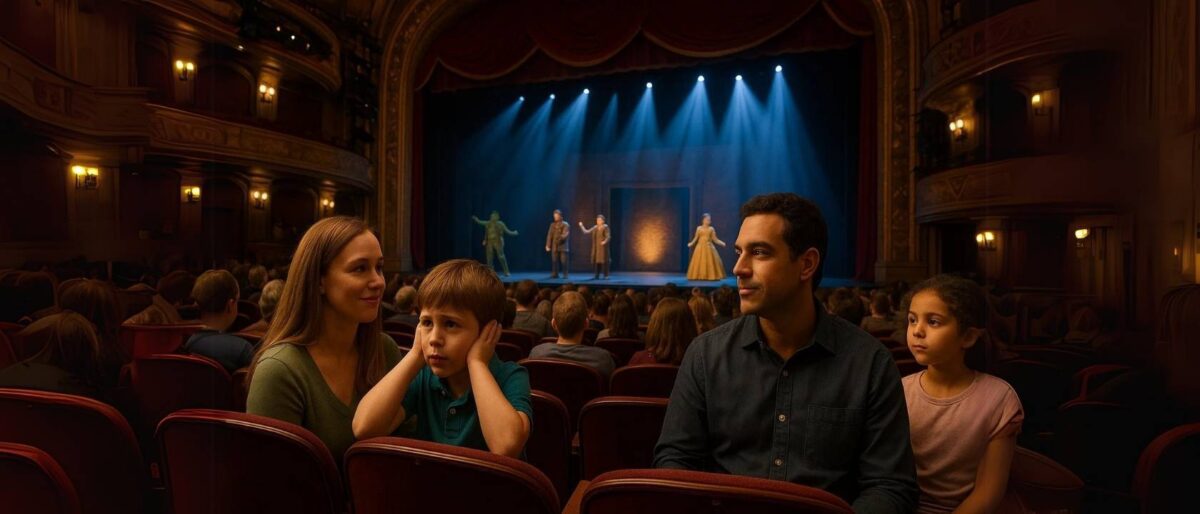
Broadway should feel magical for everyone—but for some, bright lights and booming sound can be too much. That’s where sensory-friendly performances come in. Designed for comfort without compromising the show, these inclusive productions open the curtain to neurodivergent audiences, making theater a space where all bodies and brains feel welcome.
What Is a Sensory-Friendly Broadway Show?
A sensory-friendly Broadway show is a modified performance thoughtfully designed to be more accessible for individuals with sensory sensitivities. That means adjustments are made to lights, sounds, and audience expectations—without dimming the magic of live theater.
These performances are especially helpful for autistic guests, people with ADHD, sensory processing disorders, anxiety, and developmental disabilities. But they’re also a warm welcome to anyone who finds traditional theater settings overwhelming or rigid.
The core idea is simple: everyone deserves to experience the wonder of Broadway. Sensory-friendly shows remove common barriers while preserving everything that makes the performance special—storytelling, music, costumes, and connection. They invite families and individuals who might otherwise stay home to share in the joy of live theater, together and without judgment.
It’s not about changing the show—it’s about changing the environment to say, “You’re safe here. You’re seen. And you’re invited to enjoy this moment in your own way.”
Common Modifications in Sensory-Friendly Performances
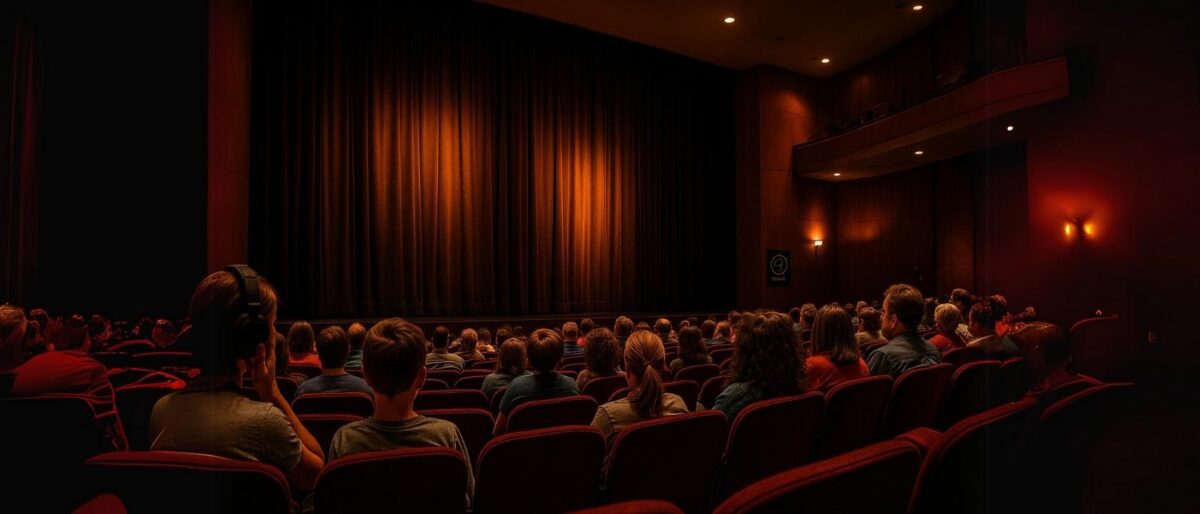
Sensory-friendly Broadway shows aren’t watered-down—they’re carefully adapted to meet the needs of audiences who experience the world differently. These thoughtful tweaks create an environment where guests can fully enjoy the performance without fear of sensory overload or social pressure. Here’s what you can expect:
- Lower sound levels: Sound effects, music, and dialogue are softened—especially during intense scenes. Sudden, jarring noises are minimized to prevent distress while keeping the story intact.
- Adjusted lighting: Flashing lights, strobe effects, and harsh spotlights are reduced or removed. This helps prevent visual overstimulation and supports guests who are sensitive to bright or flickering visuals.
- House lights stay on low: Instead of total darkness, the house lights remain gently dimmed. This makes it easier to see, move around, and stay calm during transitions or dramatic moments.
- Relaxed audience rules: Movement, talking, and vocalizing are allowed—without judgment. Guests can leave and re-enter the theater as needed, creating a flexible, pressure-free experience.
- Quiet zones: Designated spaces in or near the theater offer a calming break area with fidgets, headphones, or soft seating for anyone who needs to step away mid-show.
- Advance prep materials: Families receive tools like social stories, visual guides, and what-to-expect timelines before the show. These resources help reduce anxiety and make the experience more predictable.
These adjustments aren’t just thoughtful—they’re empowering. They let each person experience the show in a way that feels comfortable and natural for them.
Why Sensory-Friendly Theater Matters
At its heart, sensory-friendly theater is about belonging. Broadway has long celebrated storytelling, but these performances make sure everyone gets to be part of that story—without needing to mask who they are.
By offering built-in accessibility and inclusion, these shows go beyond compliance—they become welcoming. The goal isn’t just to accommodate neurodivergent guests or those with sensory differences. It’s to create a space where they feel seen, respected, and valued from the moment they arrive.
These performances also reduce stigma and anxiety around attending live theater. Families who may have avoided public events due to fear of judgment or disruption are finally able to participate fully. And when audiences are encouraged to be themselves—no shushing, no shame—it changes everything.
Family participation matters, too. Sensory-friendly shows let siblings, parents, and caregivers experience the joy together. No one is sidelined or left out. The experience becomes a shared memory, not an exception or compromise.
Perhaps most powerfully, sensory-friendly Broadway shows give neurodivergent individuals ownership of cultural spaces. They say, “This is for you, too.” That kind of inclusion doesn’t just change a night out—it can change a life.
Major Broadway Shows That Offer Sensory-Friendly Performances
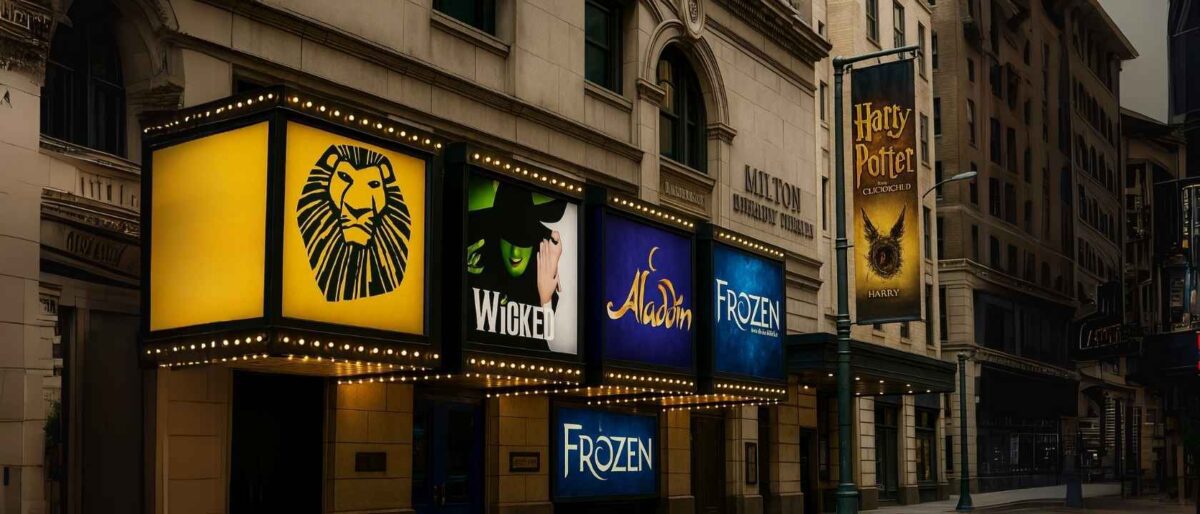
Several of Broadway’s most beloved productions have embraced the power of accessibility by offering sensory-friendly performances. These aren’t smaller, off-night versions—they’re full productions with thoughtful adjustments, making sure all audience members can experience the magic in comfort.
- The Lion King: A trailblazer in inclusive theater, *The Lion King* was the first Broadway show to present a sensory-friendly performance back in 2011. With its visual richness, rhythmic music, and universal story, it remains a top choice for neurodiverse audiences.
- Wicked: This soaring tale of friendship and identity has hosted sensory-friendly performances with adjusted lighting and sound cues, allowing guests to experience Elphaba’s flight without sensory overwhelm.
- Aladdin: With its vibrant costumes and high-energy songs, *Aladdin* has modified its more intense moments to make the experience friendly and fun for sensitive audiences.
- Frozen: Disney’s icy blockbuster offered inclusive performances tailored to younger guests and families with sensory needs, transforming the theater into a safe and joyful space for all.
- Harry Potter and the Cursed Child: Even shows with complex effects and darker themes have stepped up, providing special performances where guests can experience the magic of Hogwarts on their terms.
Most of these productions work closely with organizations like TDF (Theatre Development Fund), whose Autism Friendly Performances program has led the charge in making Broadway accessible. With their guidance, shows provide staff training, prep materials, and in-theater supports for every performance they adapt.
These aren’t side shows—they’re main events designed to welcome everyone into the Broadway experience.
Behind the Scenes: Who Makes It Happen
Sensory-friendly Broadway performances don’t happen by accident—they’re the result of careful planning, collaboration, and compassion. A dedicated network of people works behind the scenes to transform a traditional performance into an inclusive one, all while preserving the heart of the show.
It begins with accessibility consultants and advocates who specialize in sensory needs and neurodiversity. These experts guide the production team on what changes are helpful—and which elements should stay untouched. Their role is to strike the balance between accessibility and artistic integrity, making sure the performance remains both respectful and magical.
Autism organizations like TDF and Autism Speaks play a critical part in providing resources, frameworks, and tools. They help with staff training, preparing ushers, box office teams, and front-of-house personnel to assist guests with empathy and awareness. From the moment a guest enters the theater, they’re met with understanding—not confusion or judgment.
And then there’s the cast and crew. Actors adapt with care—modifying volume, timing, or effects—without compromising their performance. Stage managers fine-tune cues. Technicians recalibrate lights and sound. Everyone is part of the process, because everyone is committed to making the show work for a broader audience.
The magic might happen under the spotlight, but the real transformation begins in the shadows—with the people who make Broadway a stage for all.
What to Expect When Attending a Sensory-Friendly Show
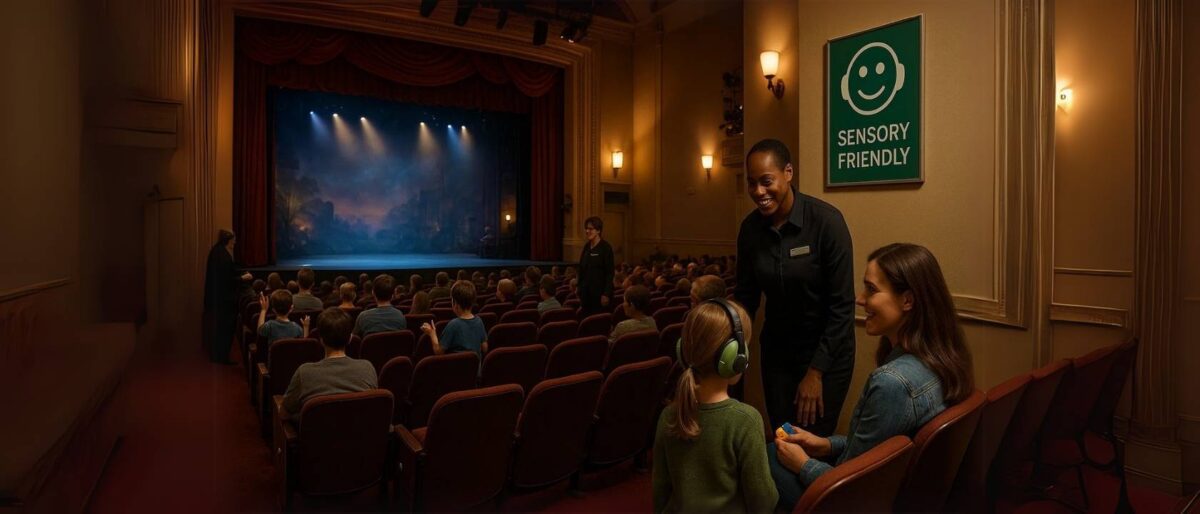
Walking into a sensory-friendly Broadway show feels different—in the best way. It’s not just the lighting or the sound that’s been adjusted. It’s the entire atmosphere: warm, flexible, and welcoming. Whether it’s your first show or your fifteenth, here’s what to expect from start to finish.
Pre-visit: Many shows provide helpful prep materials like social stories, visual schedules, and even video previews. These are designed to walk guests—especially children—through what to expect, step by step. Reviewing these together can ease anxiety and turn anticipation into excitement.
Arrival: The theater is clearly marked with sensory-friendly signage. Staff and ushers are trained to greet guests with patience and kindness. Many venues provide visual maps showing entrances, exits, bathrooms, and quiet zones. Guests are encouraged to arrive early, settle in, and explore if needed.
During the show: Movement is totally okay. Need to stretch, sway, or step out? No problem. Quiet fidget tools, headphones, and comfort items are welcome. Some guests might vocalize, hum, or clap unexpectedly—this is a judgment-free zone. The audience is united by acceptance, not silence.
Post-show: Some performances offer low-stimulation exits so guests can leave calmly without crowding. Others may feature optional meet-and-greets with actors or talkbacks that provide space to ask questions or just say thanks. It’s a soft landing after a big, emotional experience.
Ultimately, the goal is to create a space where everyone can experience the joy of theater on their own terms—no pressure, no apologies, just pure Broadway magic.
Tips for Booking and Enjoying a Sensory-Friendly Broadway Experience
Planning ahead can make a great show even better—especially when sensory needs are involved. Here’s how to get the most out of your visit and make the entire experience smooth, joyful, and stress-free for you and your guest.
- Find sensory-friendly performance dates: Not every performance is adapted, so check the show’s calendar. Organizations like TDF (Theatre Development Fund) often announce upcoming autism-friendly dates on their website. You can also look directly on the show’s official page or contact the theater’s box office for confirmation.
- Buy tickets from trusted sources: Book through TDF or the show’s official website to ensure your seats are reserved for the right performance and include any built-in accommodations. Avoid third-party resellers, which may not guarantee access to the correct show or amenities.
- Request accommodations early: Need accessible seating, early entry, or a quiet space close by? Reach out in advance. Most theaters are happy to help but may need notice to set everything up smoothly.
- Pack thoughtfully: Bring noise-canceling headphones, comfort items like weighted lap pads or favorite plush toys, snacks (if allowed), and any medical ID cards. It’s better to have it and not need it than the other way around.
- Choose the best seats for comfort: Aisle seats offer quick exits. Rear or side sections can be quieter. Many theaters will help you select a spot that works best for your guest’s comfort and needs—just ask.
Remember: Broadway is for everyone—and a little preparation turns a good day into a spectacular one.
Expanding Beyond Broadway
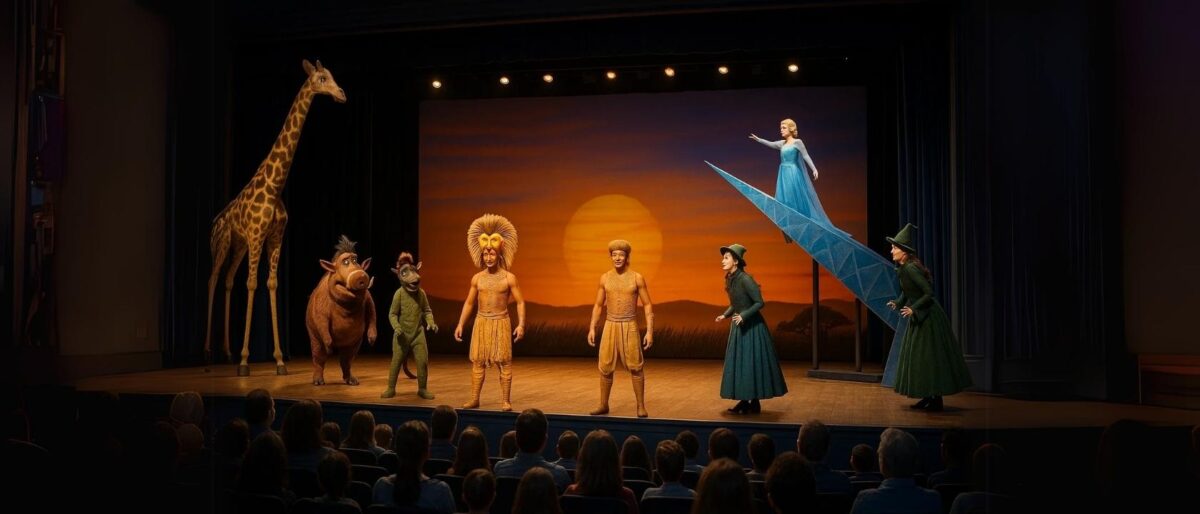
While Broadway may lead the charge, the spirit of sensory-friendly theater is spreading—and that’s something to celebrate. Across the country, more and more stages are embracing inclusion by offering accessible performances in regional, touring, and community settings.
Touring productions of Broadway favorites like The Lion King, Frozen, and Wicked have brought sensory-friendly performances to cities from Chicago to Charlotte. These touring shows often collaborate with local organizations and theaters to replicate the Broadway experience—complete with trained staff, quiet zones, and relaxed house rules.
Meanwhile, community theaters and children’s theaters are stepping up in beautiful ways. Across the U.S., smaller companies are staging sensory-friendly versions of musicals, plays, and holiday shows. From local productions of Beauty and the Beast to youth-led performances of Annie, these experiences bring joy and confidence to families right in their own neighborhoods.
And the best part? The momentum is growing. As more people ask for inclusive performances, more theaters are listening. Advocacy is turning into action, and the message is clear: accessibility isn’t an extra—it’s essential. By normalizing sensory-friendly shows everywhere, we’re opening up the magic of theater to all audiences, not just those near Broadway.
If your local theater doesn’t yet offer inclusive performances, speak up. Sometimes all it takes is a single request to start the change.
Testimonials and Impact Stories
The magic of sensory-friendly Broadway shows isn’t just seen—it’s felt, deeply. For many families, these performances are more than entertainment. They’re milestones. They’re breakthroughs. And they often spark a lifelong love of theater in people who never thought they’d belong in that space.
One parent shared after attending a sensory-friendly performance of *The Lion King*: “For the first time, we didn’t feel like we had to apologize. My son stood and danced, and no one gave us a second look. He still talks about it every day.”
A performer in *Wicked* recalled: “You could feel the energy in the room shift—it wasn’t quiet, but it was joyful. We were all on the same page, just sharing the moment. I’ve never cried mid-song until that day.”
Families often describe the emotional impact in unexpected ways—children who typically struggle with transitions staying calm through an entire show, or teens who rarely engage lighting up with excitement. Some say it’s the first time their loved one felt part of a “normal” outing. Others describe it as a moment they didn’t know they needed, until they were in it.
And for many first-time guests, it’s not the last. A single sensory-friendly experience can transform someone into a lifelong theater fan. Because when people feel seen, respected, and welcomed, they come back—not just to watch, but to belong.
Challenges and Opportunities for Growth
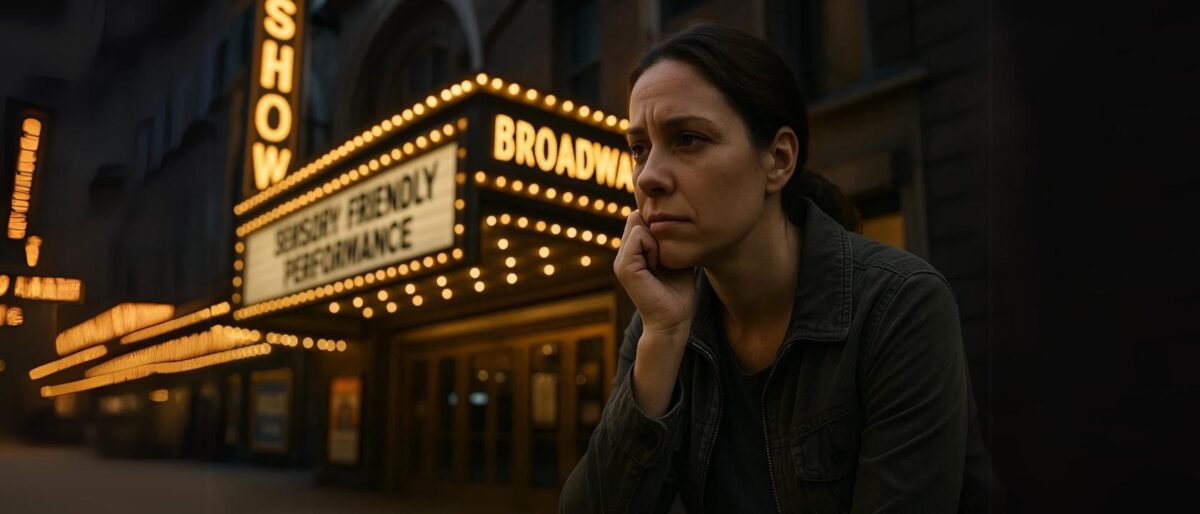
While sensory-friendly Broadway shows have made remarkable strides, there’s still room to grow. True inclusion means addressing the barriers that remain—financial, logistical, and systemic—so that access becomes the norm, not the exception.
One major concern is ticket pricing and availability. Sensory-friendly performances often sell out quickly, and they may only happen once or twice per year. For many families, especially those managing medical or therapy costs, even discounted tickets can be out of reach. Expanding funding, community sponsorships, or lottery systems could help more people experience these performances without financial strain.
Another challenge is frequency and promotion. A show might offer a single inclusive performance in its entire run, leaving many out. And even when these performances exist, they’re not always easy to find. Promoting sensory-friendly dates more clearly and frequently—on websites, social media, and box office materials—would ensure the audiences who need them actually know they exist.
Finally, there’s a growing call to expand accessibility beyond sensory accommodations. That means including captioning or ASL interpretation for Deaf audiences, audio description for those with vision impairments, and seamless wheelchair access and seating. A truly inclusive Broadway meets everyone where they are, not just some.
The good news? These gaps are opportunities in disguise. The more theaters listen, the more they can evolve. And every step forward brings us closer to a Broadway that reflects the full range of human experience—on stage, backstage, and in every seat in the house.
Conclusion
Sensory-friendly Broadway shows don’t just change how we experience theater—they change who gets to experience it. By adjusting sound, light, and expectations, these performances open the doors wider and say, “Come in, exactly as you are.” And once inside, audiences don’t just watch the story—they feel like part of it.
This isn’t a special feature. Inclusion isn’t extra—it’s essential. It’s what turns a night at the theater into a celebration of humanity in all its forms. And when we make room for more voices, we all gain something richer, louder, and more honest in return.
So whether you’re a parent, a performer, or just a passionate fan—support sensory-friendly performances. Attend them. Share them. Ask for them in your local theaters. Because the more we advocate, the more accessible and joyful the arts become for everyone.
Broadway shines brightest when it lights the way for all.