Eventbrite vs Fever vs Dice: Best Event Apps Compared
June 6, 2025
Are Concerts Losing Popularity in 2026? The Truth Behind the Trends
June 6, 2025Should You Buy Resale Tickets for Sold-Out Events?
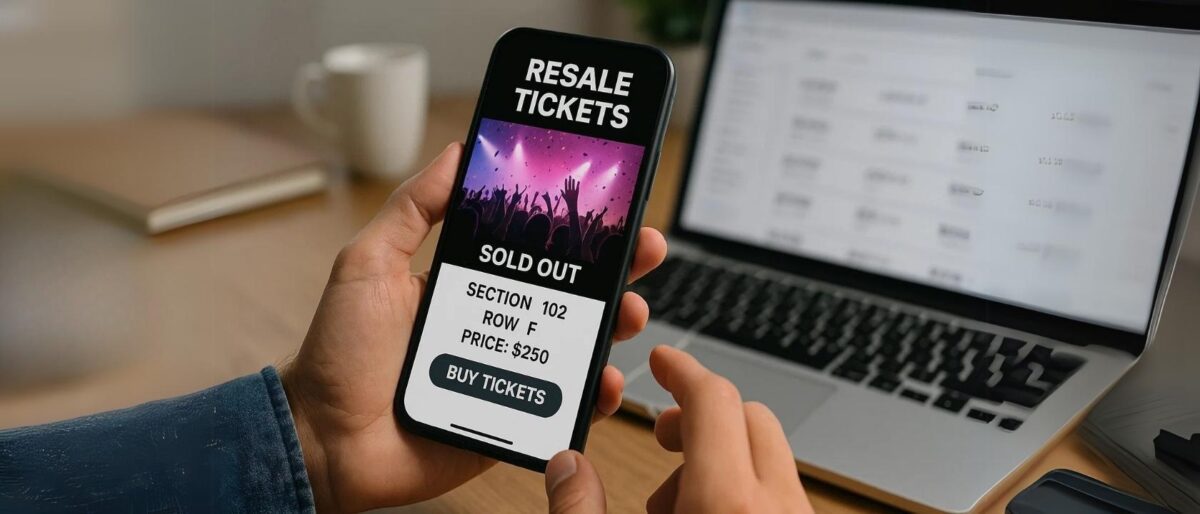
You know the feeling—your dream concert sells out in minutes, and now you’re stuck scrolling through overpriced resale listings. Should you bite the bullet or walk away? Buying resale tickets can be a gamble, but sometimes, it’s the only shot you’ve got. Let’s weigh the risk against the reward.
Why Events Sell Out (and So Quickly)
Let’s be real—sometimes it feels like tickets vanish faster than free samples at Costco. One minute you’re waiting in an online queue, the next you’re staring at a “Sold Out” banner like it personally betrayed you. So why does this happen again and again?
First off, demand usually stomps all over supply. Whether it’s Beyoncé, the Super Bowl, or a Broadway hit with Oscar buzz, there simply aren’t enough seats to go around. Everyone wants in, but not everyone can fit.
Then there’s the whole *presale party*—and you’re probably not on the list. Fan clubs, credit card holders, VIP packages, and even select sponsors often get early dibs. By the time tickets go public, a good chunk is already gone. It’s not broken—it’s just… stacked.
Worse still? Bots and scalpers swoop in like hawks at a picnic. They snap up tickets instantly, then flip them for profit on resale platforms. It’s fast, frustrating, and totally legal in some places.
And finally, FOMO fuels the fire. Even folks who weren’t planning to go suddenly want tickets when they see “sold out” trending. The hype machine doesn’t just sell tickets—it creates scarcity, which drives frenzy. It’s psychology 101 meets concert chaos.
Bottom line? The odds aren’t always fair—but knowing why helps you play smarter.
What Are Resale Tickets?
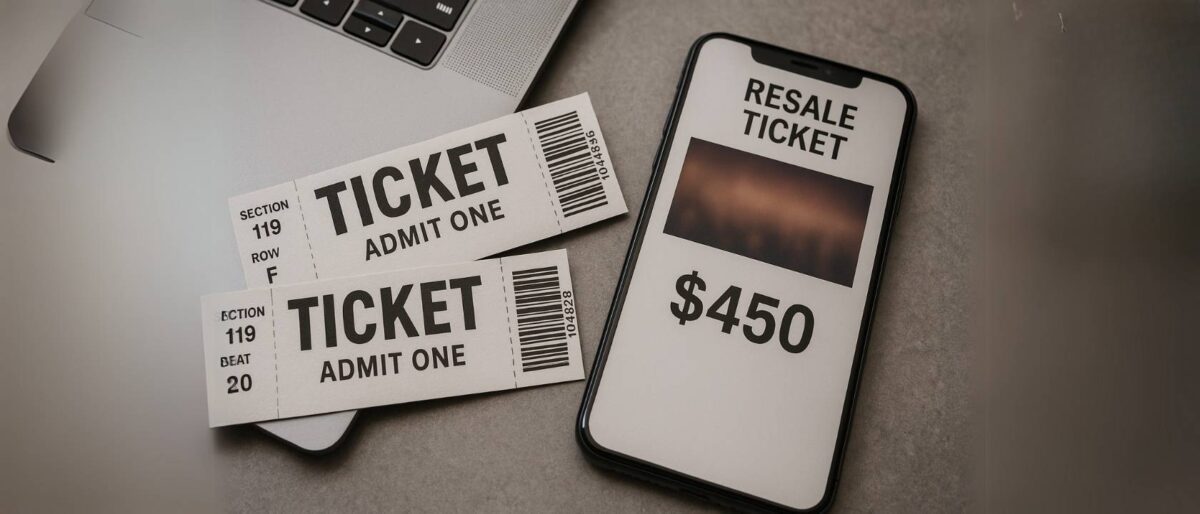
Resale tickets are, quite simply, tickets being sold after the original buyer grabbed them—sometimes minutes after the on-sale, sometimes days or weeks later. And whether it’s out of kindness, convenience, or cold-hard capitalism, these tickets end up on resale platforms like StubHub, SeatGeek, Vivid Seats, or Ticketmaster’s Verified Resale.
There are two main players in this game: peer-to-peer sellers (everyday fans who can’t go) and ticket brokers (professional resellers looking to profit). The former might sell at face value—or just above it. The latter? They’ll often hike prices dramatically based on how hot the event is. It’s like eBay meets musical chairs, but with more money and stress.
Prices aren’t fixed either. Thanks to dynamic pricing, costs can spike when demand surges or dip closer to the event when sellers panic. One day you’ll see nosebleeds for $600; the next, those same seats could drop to $150. It’s part stock market, part gamble.
Don’t forget: face value is the original ticket price—not including fees. Resale tickets rarely stick to that number. You’re paying for access, not fairness. That $80 seat could balloon to $400 in seconds… or be a total steal if you wait it out.
Knowing what you’re buying—and from whom—makes all the difference. And sometimes, it’s less about the price and more about the peace of mind.
Pros of Buying Resale Tickets
Let’s face it—resale tickets might be the only thing standing between you and that dream event you missed out on. When the official site says “Sold Out”, resale becomes your golden second chance.
One of the biggest perks? Access. Didn’t snag presale? Missed the five-minute ticket rush? Resale listings throw you a lifeline. It’s not always pretty, but it’s there—sometimes even right up to showtime. For many fans, that’s worth the premium.
Now here’s the twist: resale isn’t always more expensive. Last-minute deals can sneak in when sellers get desperate to unload tickets. If you’re willing to wait (and risk it), you might score a seat for less than the original price. It’s like concert roulette—with rewards.
Plus, some of the best seats—those front rows, club levels, or exclusive sections—rarely appear in public sales. Resellers often scoop these up early and put them back on the market. If you’ve got the budget, resale might land you a view worth every penny.
And here’s a sigh of relief: legit platforms like Ticketmaster Verified Resale, StubHub, and SeatGeek offer guarantees, insurance, and buyer protections. If a ticket turns out to be fake or canceled, you’re not totally out of luck.
So yes, resale has its upsides—it’s not just a money grab. Sometimes, it’s the magic key that opens the gate back into the show.
Cons and Risks of Buying Resale Tickets

Before you throw your wallet at that front-row seat, pump the brakes—buying resale tickets isn’t all sunshine and sold-out magic. There are some very real downsides that could turn your dream night into a full-blown facepalm.
Let’s start with the obvious: overpaying. A $60 seat can balloon to $400—or more—thanks to demand and zero regulation. You’re not paying for extra perks or better sound. You’re paying because you want in, and someone else has what you don’t. Simple. Brutal. Expensive.
Then there’s the dark alley of the internet: scams and fakes. Social media resales and sketchy Craigslist ads are playgrounds for fraudsters. You Venmo someone you don’t know, and suddenly… ghosted. No ticket. No refund. Just regret.
Even on legit platforms, non-transferable or canceled tickets can sneak in. Some venues or artists lock down tickets to block resales entirely. If the original purchaser breaks those terms, your shiny resale ticket might get revoked—with no warning.
And let’s not forget those sneaky fees. A ticket listed at $150 might end up costing $220 once checkout hits. Service fees, processing fees, “because-we-can” fees—it adds up fast and stings hard.
Worst of all? The emotional letdown. You pay a fortune, deal with the stress, and then… the seat’s not great. The artist cancels. The vibe’s off. You can’t help but think: “Was it really worth it?”
So if you’re going down the resale road, tread carefully. The price of entry isn’t always just money—it’s risk, stress, and possibly, disappointment.
Where to Buy Resale Tickets Safely
Not all resale sites are out to fleece you—but some definitely are. If you’re going to buy secondhand tickets, you’ve got to play it smart. The key? Stick with platforms that have real protections in place and a track record of treating buyers fairly.
The most trusted names in the game include Ticketmaster Verified Resale, StubHub, SeatGeek, and TickPick. These sites legitimize the transaction, often backing your purchase with a guarantee that the ticket will work—or you get your money back. They also tend to verify ticket authenticity and handle the transfer process securely.
Now, let’s talk red flags. If someone’s selling a ticket via DMs, asks for payment through cash apps without receipts, or refuses to share transfer details—run. Scammers thrive on urgency and emotion. Don’t let FOMO override your gut instinct.
Always double-check ticket transfer policies on the event or venue website. Some tickets are non-transferable or locked to a specific platform. You don’t want to drop cash on a QR code that’s more decoration than entrance pass.
Lastly, understand what those refund policies actually cover. Does the platform offer a full refund for canceled events? Will they replace a fake ticket? What happens if you never receive it? Read the fine print—yes, the boring stuff—before you hit “buy.”
Bottom line: buying resale isn’t risky if you know where (and how) to shop. Stick to reputable sources, protect your wallet, and keep the excitement without the anxiety.
When It Might Be Worth It

Sometimes, buying resale tickets isn’t just justifiable—it’s absolutely worth it. There are moments in life where cost takes a backseat to meaning, and if that ticket puts you in the room for something unforgettable? That’s a win.
Once-in-a-lifetime events are the biggest draw. Think farewell tours, reunion shows, or that championship game your team hasn’t reached in 20 years. If it’s now or never, resale is your only real option—and honestly, no one regrets showing up for history.
Then there’s the artist or show on your bucket list. Maybe it’s Paul McCartney, Adele, or a Broadway production you’ve dreamed of seeing since high school. If it’s something that will stay with you forever, that ticket becomes less of a splurge and more of an investment in joy.
Affordability matters too. If paying a little (or a lot) extra doesn’t strain your budget or wreck your savings, why not treat yourself? Just make sure it’s a thoughtful yes, not a “regret it when rent’s due” decision.
And don’t underestimate the power of an epic gift. A surprise ticket to their favorite artist for an anniversary, birthday, or graduation? That’s not just a present—it’s a memory-maker. One that screams effort, thought, and love.
Bottom line: when the experience holds real emotional weight and your finances can handle it, resale can be a risk worth taking. Sometimes, the moment matters more than the markup.
When You Should Skip It
Not every ticket is worth the drama—or the dollars. Sometimes, the smarter move is to walk away, save your cash, and wait for a better (or cheaper) opportunity. Here’s when it’s probably best to skip the resale frenzy altogether.
First up: early tour dates. If your favorite artist just kicked off a new tour, odds are more shows will be announced soon. Why shell out hundreds for a seat now when you might catch them in your city later—at face value and with far less stress?
Non-refundable travel and hotel costs are another dealbreaker. Say you buy a pricey ticket for a concert in another state. Now you’ve got to book a flight, hotel, meals—the works. One delay, one rescheduled date, and you’re out way more than just the cost of entry. Unless the stars align perfectly, it’s a risky stack of expenses.
Be extra cautious with vague or shady listings. If a seller can’t confirm the seat location, delivery method, or platform the ticket is tied to, that’s a big fat red flag. Ambiguity isn’t edgy—it’s a potential scam waiting to happen.
And lastly, if the event doesn’t feel like a must-see—don’t force it. Ask yourself: would I be heartbroken to miss this, or am I just caught up in the hype? If it’s the latter, save your money and skip the FOMO.
Resale tickets can be thrilling… or they can be trouble. When your gut says “meh,” trust it and move on.
Tips for Getting Better Resale Deals

If you’re going to dive into the resale ticket pool, you might as well swim smart. Scoring a good deal isn’t impossible—you just need a little patience, strategy, and a dash of ticket-savvy timing. Here’s how to stretch your dollars while still landing those golden seats.
Wait it out. Resellers holding onto tickets too close to showtime often panic—and drop prices fast. If you’re flexible and willing to risk it, those last 24–48 hours before the event can be a gold mine. Sure, it’s a gamble, but sometimes you win big.
Shop around like it’s Black Friday. Don’t settle on the first price you see. Check multiple platforms like StubHub, SeatGeek, TickPick, and even Ticketmaster’s resale section. Prices fluctuate across sites, and what’s marked up on one could be discounted on another.
Fly solo? Look for single tickets. They’re often cheaper because most buyers shop in pairs. If you’re cool with going it alone—or splitting up with your group—you might grab a great seat for way less.
And this one’s big: avoid resellers on social media unless you know and trust them personally. Too many scams start with a well-edited profile pic and a message that reads, “Can’t make it, just want face value.” Don’t fall for it. If there’s no buyer protection, walk away.
Resale doesn’t have to mean rip-off. With the right moves, it can actually feel like a win. Play it cool, compare smart, and keep your excitement in check until the deal’s locked in.
What to Do If You’ve Been Scammed
So you got scammed. It sucks, it stings, and yeah—it happens more often than anyone wants to admit. But don’t just sulk and let it slide. There are steps you can take to fight back, recover your money (sometimes), and help keep someone else from falling for the same trick.
First move? Contact your bank or credit card company immediately. If you used a credit card, you may be protected under fraud policies and could initiate a chargeback. Acting fast helps. Time is not your friend in these cases.
If you used a legit resale site like StubHub, SeatGeek, or Ticketmaster, file a claim with them right away. Most reputable platforms offer buyer guarantees and will refund your money or offer replacement tickets if the original ones don’t work.
Still no luck? Contact the event organizers or venue. While they’re not always able to fix third-party messes, some have dedicated fraud departments or can at least confirm whether your ticket was valid. Occasionally, they’ll take pity and help out—especially if others have reported similar issues.
Lastly, tell your story. Post warnings in fan forums, ticket exchange groups, or review platforms. Sharing what happened could stop someone else from getting burned. It might not get your money back, but it adds a little justice to the mix.
Scams are frustrating, but silence helps no one. Make noise. Be loud. And next time, buy with backup.
Ethical Considerations
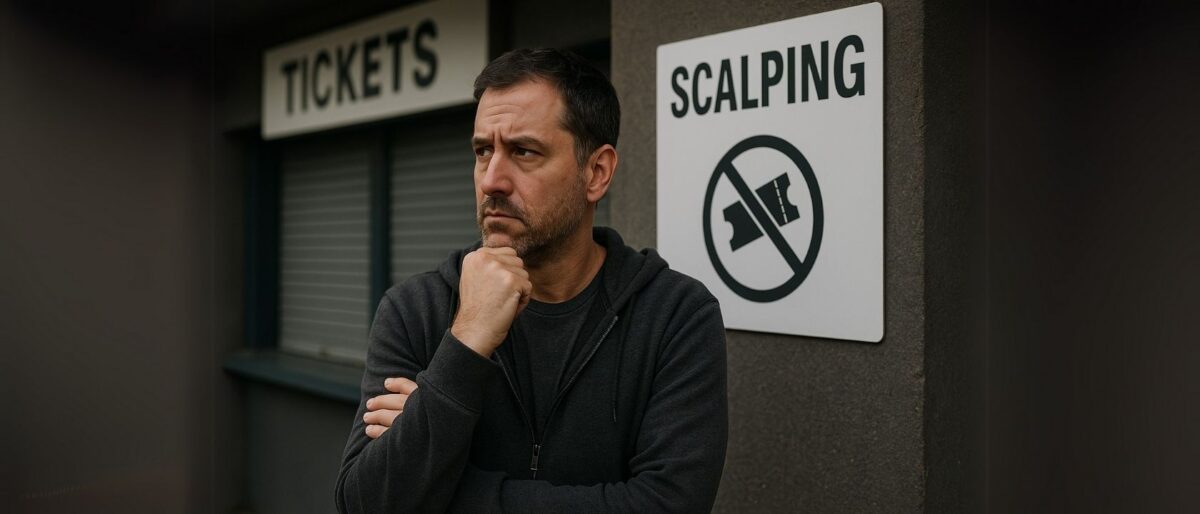
Buying resale tickets isn’t just a financial choice—it can feel like a moral minefield. If you’ve ever wondered, “Am I part of the problem?” you’re not alone. The ethics of resale are complicated, and the answer isn’t always black and white.
First, let’s talk about the elephant in the arena: scalping. When you buy marked-up tickets, even if it’s out of desperation, you may be indirectly feeding a system that favors bots and bulk buyers over real fans. The higher the demand, the higher the price—and the more incentive scalpers have to buy up future inventory.
There’s also the question of price gouging. Should fans support platforms that let a $75 ticket skyrocket to $600 just because they can? For some, it feels exploitative. For others, it’s just the free market in action. But either way, it forces less-privileged fans out of the experience—and that leaves a bitter taste.
And what about the artists? Some go all-in trying to shut down resales. Think digital-only tickets, non-transferable policies, or ticketing systems that lock entry to the original buyer. Effective? Sometimes. Frustrating? Often. Fans who can’t attend anymore have no way to resell. Buyers who missed out have no way in. It’s a lose-lose that rarely feels fair.
At the end of the day, it comes down to your values. Are you okay with how the system works? Or do you want to help shift it—by waiting, by buying smarter, or by walking away altogether?
Alternatives to Buying Resale
Not ready to cough up half your rent for a resale ticket? Good news: there are other ways to score entry that don’t involve outrageous markups or shady sellers. If you’re willing to get a little creative—or just be in the right place at the right time—you’ve got options.
Start with official fan-to-fan exchanges. Many big-ticket platforms like Ticketmaster or AXS offer verified resale marketplaces where fans can sell tickets they can’t use, usually for face value or close to it. It’s safer, it’s cleaner, and you won’t need to stress over barcode drama at the door.
Next, tap into fan communities and forums. Facebook groups, Reddit threads, Discord servers—these spots are goldmines for last-minute ticket swaps or giveaways. Fans helping fans is a beautiful thing, and you’d be surprised how many just want to break even or pass along a spare to someone who really wants it.
Giveaways and contests aren’t just for lucky people—they’re for persistent ones. Follow the artist, venue, or radio stations on social media. Engage with their posts. Some do flash contests just hours before a show. Someone has to win—why not you?
Feeling bold? Volunteer or join a street team. Music festivals, local events, and even some tours offer free entry in exchange for helping with check-in, setup, or social media promo. It’s a win-win—you get in for free and contribute to the vibe.
You don’t always have to pay to play. With a little effort, you might just find your way to the event—without blowing your budget or your trust.
Conclusion
In the end, buying resale tickets is a balancing act between passion and practicality. Sometimes, your heart says “go” while your wallet screams “please don’t.” And hey—that tension? Totally normal.
Buying resale isn’t wrong. Not at all. It’s often the only door left open when everything else slams shut. But it’s not a carefree swipe either. You’re stepping into a gray zone where risk, reward, and regret all hang out together.
If you decide to go for it, go smart. Use legit platforms. Research the event’s transfer policies. Watch for price drops. And most importantly, know your own line—what you’re willing to pay and what you’re willing to lose. Because the real win is walking into that event with no regrets, no stress, and a story worth telling.
So whether you buy, wait, or walk away—make sure it’s your call, on your terms. The show might go on, but your peace of mind should too.