The Unique Comedy of Bo Burnham: Music, Satire & Angst
June 11, 2025
Are All Resale Concert Tickets Safe? How to Spot Legit Sellers
August 8, 2025What Is Observational Comedy? Examples, Stars & Shows
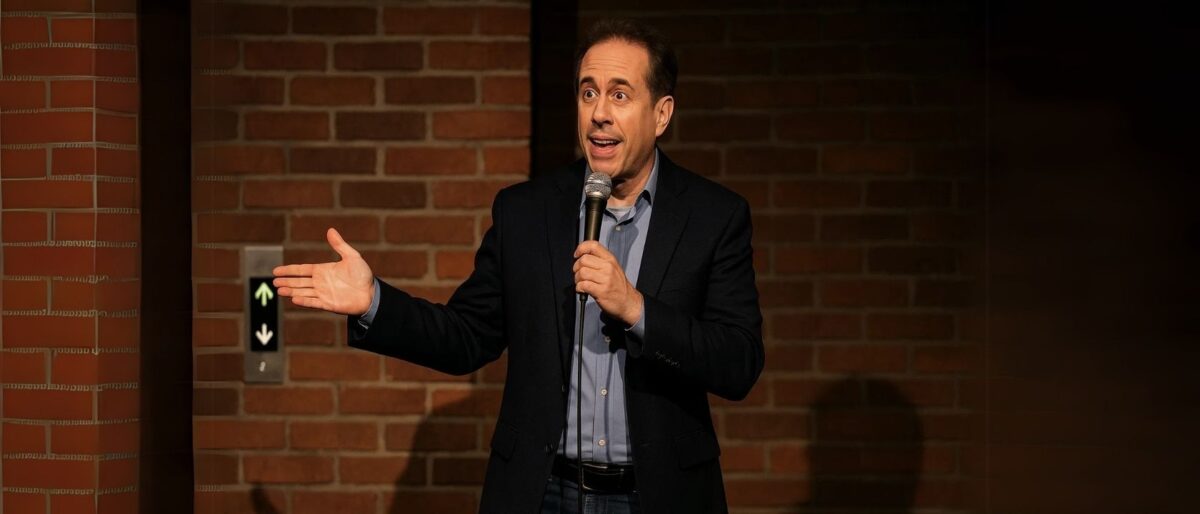
Ever laughed at something so ordinary, it felt like someone read your mind? That’s observational comedy—where life’s tiny quirks steal the spotlight. From awkward handshakes to elevator silence, it spins the everyday into gold. Let’s unpack this crowd-pleasing style, its stars, and why it keeps us chuckling at ourselves.
What Makes It Observational?
Observational comedy is like people-watching with a microphone—it thrives on the stuff we all do but rarely talk about. It’s not about wild antics or outrageous punchlines. It’s about recognizing the ridiculous in the routine, and making us laugh at what’s right under our noses.
The magic lies in the real-life situations. Whether it’s the horror of replying “You too!” when the cashier says “Enjoy your meal,” or the dance we do when holding the door too long, observational humor mines comedy from our shared slip-ups. It’s relatable behavior and common frustrations—the awkward, the annoying, the absurdly normal. But then comes the twist: an exaggeration, irony, or sudden flip that makes us double over.
This style pulls heavily from social norms and daily routines. Think grocery store gripes, office fridge politics, texting misfires, and airport woes. And through it all, the comedian stays grounded in a conversational, slice-of-life tone—like a friend venting about life’s weirdest little truths over coffee.
It’s observational because it observes. It watches what we overlook. And then it points, shrugs, and says, “Isn’t that weird?”—and somehow, we all nod and laugh.
How Observational Comedy Works
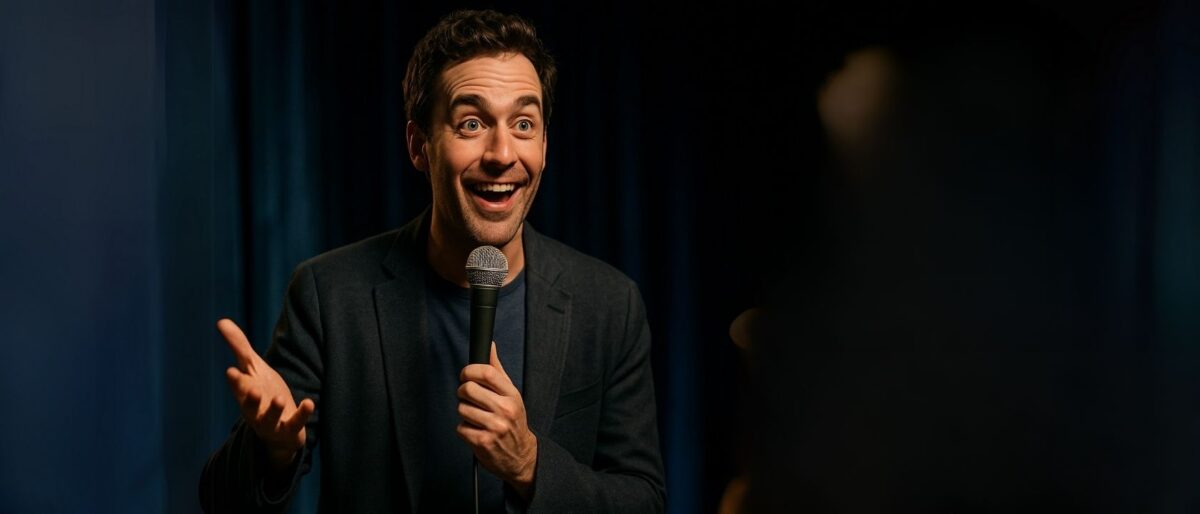
There’s a rhythm to observational comedy—like a dance between the familiar and the absurd. It starts with a relatable setup. A moment we’ve all experienced. A public bathroom with motion-sensor sinks that never work. The silent rage of hearing someone chew with their mouth open. That’s the bait.
Then comes the punchline—a sudden turn. A logical but unexpected exaggeration. Maybe the comedian compares those sinks to emotionally unavailable boyfriends. Maybe they claim loud chewers should have their own restaurants. The trick is making the absurd feel true, or at least hilariously possible.
Timing and delivery are everything. A well-timed pause, a raised eyebrow, or a slow build can turn a mild smirk into a full belly laugh. Rhetorical questions often do the heavy lifting too—“Why do we all pretend to know how to pronounce ‘charcuterie’?” They rope the audience in, make them part of the bit.
Most observational comics rely on a self-deprecating and inclusive tone. They’re not mocking others—they’re right there with us in the awkwardness. And often, the real humor lies in comparing versus contrasting behavior. Like why one friend panics at jaywalking while another treats traffic lights as mere suggestions. The comedy? It’s in the contrast—and the quiet judgment we all secretly share.
In the end, observational comedy works because it holds up a mirror—one that’s slightly warped, gently cracked, and deeply funny.
Examples of Observational Comedy
Let’s talk punchlines that come from parking lots, printer jams, and panic when someone says, “Let’s circle back.” Observational comedy doesn’t need a costume, a character, or a clown nose. All it needs is a moment we all know—and a clever way to spin it. Some bits have become practically folklore.
Classic examples? Think of those evergreen lines: “Why do we press harder on the remote when it’s not working?” or the infamous “Have you ever noticed…” setup. They’re comedic comfort food—quick, familiar, and satisfying. These jokes thrive on pointing out things we do without thinking, then shining a flashlight on the absurd logic behind them.
Stand-up comedy has taken observational humor into modern territory. You’ll hear sets on the chaos of dating apps—left swipes, ghosting, endless bios with “I love tacos.” Or bits about waiting in line and how people suddenly forget how to queue properly. Or working from home, where pants are optional and meetings are mostly “Can you hear me now?” moments.
And on TV? The Office is a masterclass in observational discomfort—those long, painful silences, those bizarre birthday parties. Meanwhile, Curb Your Enthusiasm lives for social etiquette gone wrong: who pays the bill, how to say no to an invitation, what happens when you honk too soon. The show doesn’t just make fun of life—it questions why we all play along.
In short: if it’s mundane but maddening, silly but shared, and universally overlooked—there’s probably a joke in it waiting to be told.
Famous Observational Comedians
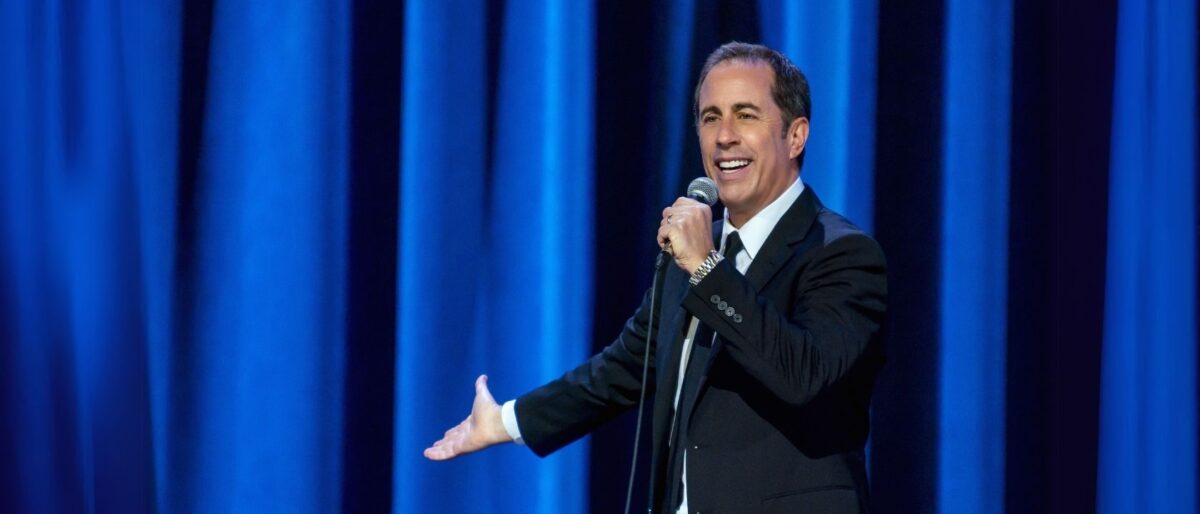
Some comedians don’t just tell jokes—they hold up a magnifying glass to daily life, and what they find is both hilarious and hauntingly familiar. These artists have turned casual complaints and everyday oddities into career-defining comedy. Let’s meet the all-stars of observational stand-up.
Jerry Seinfeld is practically the patron saint of observational comedy. With his classic line, “What’s the deal with airplane food?”, he built a career on clean, polished routines about socks, voicemail, and toothbrush politics. His genius lies in turning tiny irritations into universal truths.
George Carlin, though often more edgy and philosophical, dipped deeply into observational waters. He tackled everyday annoyances with a cynical twist—from traffic euphemisms to the absurdity of mall culture. His comedy often blurred the line between sharp wit and societal critique.
Joan Rivers brought razor-sharp commentary to the table. Her observations on fashion, aging, and celebrity weren’t just glamorous gossip—they were rooted in real experience. Honest, biting, and bold, she made the personal political—and funny.
Jim Gaffigan finds humor in hot pockets, fatherhood fatigue, and the constant desire to nap. His soft-spoken delivery pairs beautifully with bits on food, laziness, and navigating family life—without ever needing to raise his voice.
Ellen DeGeneres (in her early stand-up days) built her charm on innocuous but insightful observations. She dissected life’s quirks with a gentle touch—think phone etiquette, pets, and retail behavior—with a smile that disarmed and delighted.
There’s also a fresh wave of names making their mark:
- Brian Regan – Physical delivery meets clever, clean observations
- Sebastian Maniscalco – Animated body language + Italian family life = gold
- Wanda Sykes – Sharp takes on politics, gender, and parenting
- Hasan Minhaj – Personal stories wrapped in social insight
- Iliza Shlesinger – Millennial culture, dating disasters, and self-aware swagger
Each of them proves that comedy doesn’t need gimmicks to hit home—it just needs a sharp eye and perfect timing.
Observational Comedy in TV & Sitcoms
Some of the most beloved sitcoms of all time didn’t rely on outrageous plots or slapstick stunts—they thrived on the everyday weirdness we all recognize. Observational comedy has long been the backbone of television that feels like home, with characters who could be your roommate, your sibling, or your boss (unfortunately).
Seinfeld was the blueprint. Famously dubbed “a show about nothing,” it elevated the mundane to art. Whether it was debating double-dipping at a party or navigating the politics of close talkers, every episode leaned on sharp observational writing that made the smallest moments feel hilariously massive.
Friends took a similar route, using observational humor to poke fun at relationships, dating, and the chaos of twenty-something life. From awkward exes to roommate drama, it captured the rhythm of urban adulthood with punchy, relatable gags.
Modern Family stepped in to shine a light on parenting, blended families, and generational gaps. It’s the eye-rolls, the helicopter parenting, the overreactions—all delivered with a knowing wink.
Everybody Loves Raymond mastered the genre by mining marriage and family dynamics for comedy gold. The show thrived on spousal tiffs, sibling rivalry, and the universal truth that in-laws are a special kind of challenge.
And then there’s The Marvelous Mrs. Maisel, which offers a more stylized lens but still taps into observational stand-up roots. Midge’s routines often draw from personal experiences—child-rearing, social expectations, and daily double standards—with biting humor and charm.
From laugh tracks to live audiences, these shows prove one thing: sometimes the biggest laughs come from the smallest, truest details.
Observational vs. Other Comedy Styles
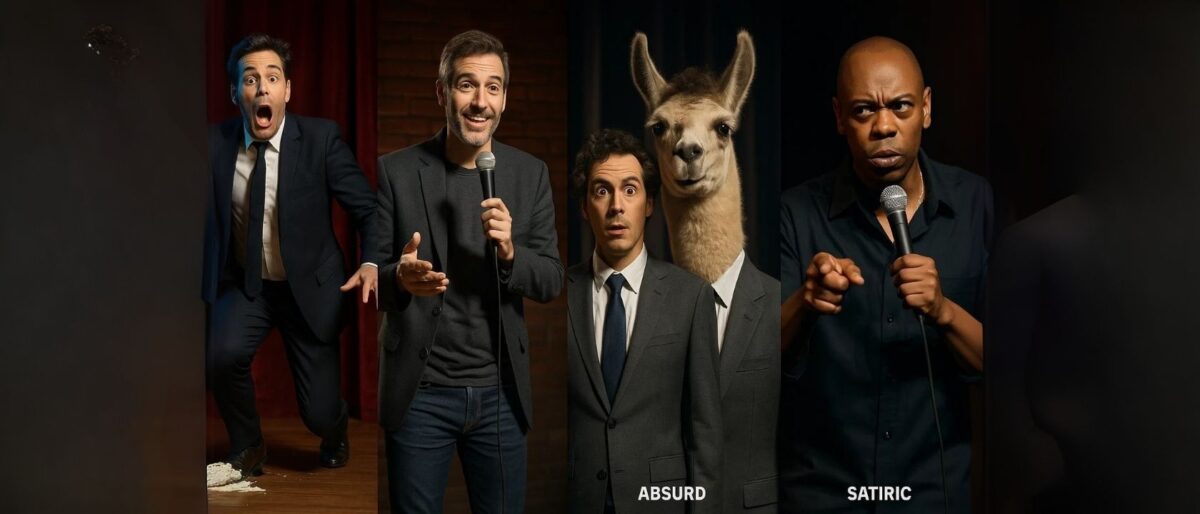
Not all comedy is created equal. Some jokes land with a pie in the face, others with a punch at the system, and some just whisper, “Hey… ever notice this weird thing we all do?” That’s where observational comedy carves out its niche—between the zany and the pointed, it finds power in the plain.
Slapstick is all about physicality—falls, spills, and faceplants. Think Charlie Chaplin or Jim Carrey in full elastic mode. It’s loud, visual, and immediate. Observational comedy, by contrast, is more like a slow burn. It doesn’t need banana peels—just baristas who misspell your name with confidence.
Satire leans hard into critique. It has an axe to grind, often slicing through politics, media, or social hypocrisy. While observational comedy might touch on those themes, it rarely aims to incite—it’s softer, safer, and often more universally appealing.
Absurdist comedy thrives in nonsense and surrealism—where logic collapses and llamas in business suits seem normal. Observational humor, on the other hand, builds from reality. It may twist, stretch, or tease it, but it always starts with a recognizable truth.
Improv is spontaneous and unplanned, built on quick reactions and audience interaction. Observational comedy is more curated—it’s crafted like a sculpture from hours of noticing, tweaking, and timing.
One of observational comedy’s secret weapons? It evolves with us. Whether it’s poking fun at boomer Facebook habits, Gen Z slang confusion, or the horror of autocorrect, this style adapts to the times. It keeps pace with our tech, our trends, and our social norms—making it timeless and timely, all at once.
Bottom line? Observational comedy doesn’t shout. It nudges. And in that nudge, we see ourselves—and laugh because it’s all just a little too real.
Why We Love It
There’s something oddly comforting about hearing a stranger on stage rant about tangled headphones, weird coworkers, or why hotel light switches are impossible to find. It makes us feel seen. Observational comedy validates our feelings—those tiny annoyances, daily mishaps, and internal dialogues we assumed only lived in our heads.
It also has a strange superpower: making the mundane feel magical. A joke about folding fitted sheets suddenly becomes a communal moment of truth. A riff on group texts? Pure gold. The things we overlook, ignore, or endure get spotlighted—and transformed into punchlines that stick.
There’s a built-in bond in observational humor. When the audience laughs together at a shared experience, it’s like a secret handshake. We realize we’re all stumbling through the same bizarre routines—and that shared recognition creates instant community. We’re not alone in our awkwardness, confusion, or overthinking. We’re in it together, laughing through the chaos.
And the beauty? It never runs out of material. Life keeps serving up new content—new tech quirks, cultural shifts, awkward social rules. As long as people exist, observational comedy will keep evolving, adapting, and finding fresh ways to poke fun at our daily dance.
That’s why we love it. It’s personal. It’s familiar. And somehow, it always feels brand new.
Observational Comedy on Social Media & Podcasts
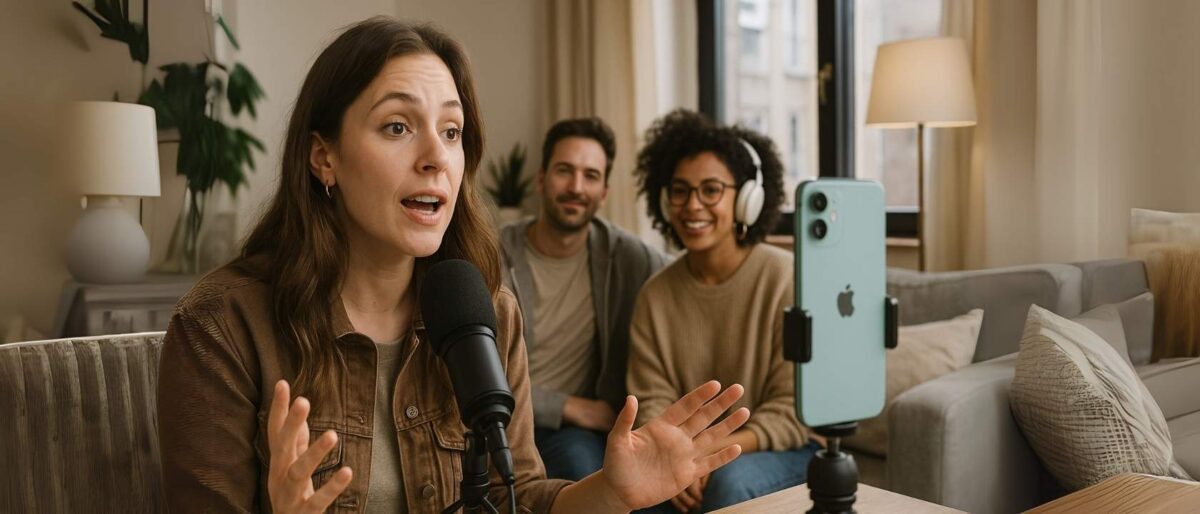
If stand-up stages were the birthplace of observational comedy, then TikTok and podcasts are its thriving second act. The jokes have gotten shorter, snappier, and more visual—but the heart is still the same: “Here’s something weird I noticed—tell me I’m not alone.”
On TikTok and Instagram Reels, creators like Elyse Myers have turned awkward anecdotes into viral gold. Her storytelling style—fast-paced, vulnerable, and deeply relatable—hits the sweet spot between cringe and comfort. Then there’s Corporate Natalie, who built an empire poking fun at remote work culture, Slack etiquette, and Zoom-call politics. These short-form sketches don’t just entertain—they echo the unspoken truths of modern life.
In the podcasting world, observational comedy finds space to breathe. SmartLess, hosted by Jason Bateman, Sean Hayes, and Will Arnett, is a masterclass in casual life humor. Whether they’re roasting each other or riffing on parenting woes, they keep things grounded in shared experience.
The Daily Show Podcast Universe blends satire with observational bits—using sharp character work to highlight everything from influencer culture to health fads. It’s political, yes, but rooted in life’s strange little rhythms.
Social media and podcast platforms have taken observational comedy beyond the stage, proving once again: if you can notice it, you can laugh about it—and chances are, someone else will too.
Tips for Writing or Performing Observational Comedy
If you’ve ever muttered, “That’s so annoying,” you’ve already started writing observational comedy—you just don’t know it yet. The key is paying attention to what others ignore and spinning it into something worth sharing (and laughing about). Here’s how to sharpen your observational chops.
Start with your own life. What irritates you? Confuses you? Makes you go, “Wait, why do we all just accept this?” Whether it’s how no one knows which armrest is theirs at the movies or the mystery of microwave popcorn timing, those sparks are the start of a bit.
Keep a notebook—or a notes app—handy. Seriously. Write down every strange behavior, minor meltdown, or overheard comment that sticks with you. Life throws punchlines all day—you just have to catch them before they disappear.
Structure matters: setup → observation → twist. The setup grounds your audience. The observation builds the connection. The twist? That’s your comedic mic drop. Don’t overcomplicate it—just build tension and then release it with a smile.
Remember, relatable equals shareable. The best jokes feel like inside jokes with the world. If people say, “That’s exactly me,” you’ve nailed it.
And above all: watch your timing. Pause before the punchline. Let the audience lean in. Don’t rush the reveal—it’s like opening a soda can. Do it slowly and you get the fizz. Go too fast, and it’s just a mess.
Observational comedy isn’t about being wild—it’s about being awake. So start noticing. Start jotting. And don’t be afraid to turn a minor meltdown at the DMV into your next standing ovation.
Criticism of Observational Comedy

As beloved as observational comedy is, not everyone’s giving it a standing ovation. For all its relatability and charm, this genre sometimes gets labeled as the “comfort food” of comedy—familiar, easy to digest, and… well, maybe a little too safe.
One common critique? It can feel “low-risk” or overly polite. Because it steers clear of hot-button topics and rarely rocks the boat, some critics argue it lacks edge. Observational comics aren’t out to shock or provoke—they’re more likely to joke about airport security than wage war on politics. For some audiences, that’s refreshing. For others, it’s a little bland.
Then there’s the “we’ve heard this before” problem. If you’ve seen one too many routines about bad Wi-Fi or loud chewing, it starts to blur together. Observational comedy can turn formulaic fast if the comic isn’t digging deeper or bringing fresh angles. There’s a fine line between shared experience and tired cliché.
That’s why sharp writing is essential. It’s not enough to notice something—you have to say it in a way that surprises. The best observational comics don’t just describe; they dissect. They twist, elevate, and polish the obvious until it shines again.
So yes, observational comedy may play it safe—but in the hands of the right performer, it still hits hard.
Conclusion
Observational comedy endures because it never runs out of material. As long as people forget their passwords, spill coffee on white shirts, and pretend to read terms and conditions, there’ll be something to laugh about. It doesn’t rely on shock or spectacle—it relies on truth. And truth, as it turns out, is hilarious.
Its power lies in connection. It reminds us we’re not alone in our weird habits, petty frustrations, or social blunders. We laugh not just at the joke, but at the relief of knowing someone else gets it too. From stand-up to sitcoms, TikToks to podcasts, this style of humor ties us together in the strangest, simplest ways.
So the next time you roll your eyes at a slow elevator, forget why you walked into a room, or curse autocorrect for changing “sure” to “sushi,” pause for a beat. There might be a joke hiding in that moment—waiting to be noticed, written, and turned into laughter.
Because with observational comedy, the punchline is already living in your day-to-day. All you have to do is see it.